
Science
PNNL Unveils Advanced Systems to Enhance Quantum Material Production

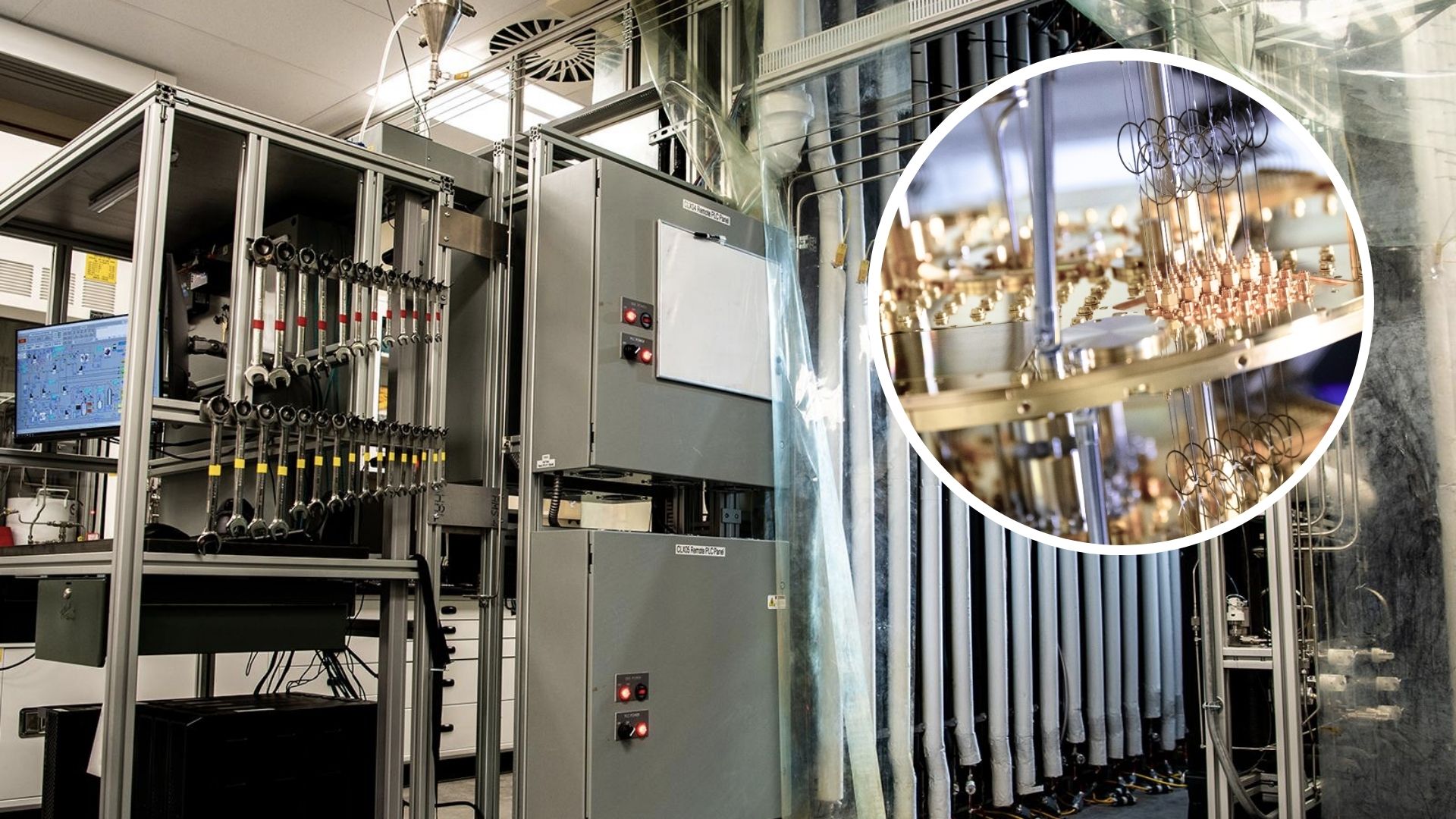
A significant advancement in the production of quantum materials has emerged from the Pacific Northwest National Laboratory (PNNL) based in Washington. The laboratory has successfully developed high-purity gas conversion and purification systems for silane and germane, two gases critical to research and development in quantum information science and other advanced technologies.
Silane and germane play crucial roles in the semiconductor industry, particularly in the deposition of thin films of silicon and germanium, which are essential for manufacturing advanced computing chips. These developments are poised to support the United States’ strategic goals in technological innovation.
Boosting Supply Chain for Quantum Research
Christopher Landers, Director of the Office of Isotope R&D and Production, emphasized the importance of this initiative, stating, “Our investment to strengthen the supply chain for these specialized materials is more than just a scientific achievement; it’s a strategic imperative for the Genesis Mission.” He added that PNNL’s efforts address the pressing need for high-purity materials, which are vital for breakthroughs in quantum information science and artificial intelligence.
The laboratory’s ongoing research, supported by the Isotope Research Program (IRP), aims to further enrich silane and germane isotopically through enhanced thermal diffusion isotope separation (TDIS) technologies. PNNL has previously implemented such systems for enriching other gases, including argon and chlorine, but additional research will refine the processes for silane and germane.
Mike Powell, the principal investigator for the project, acknowledged the complexities involved, stating, “Isotopic dilution of enriched silicon is a challenging problem. But we carefully designed our systems and handling procedures to maintain the starting feedstock isotopic purity through to the final silane and germane products.”
Innovating the Production Process
PNNL’s research involves not just the design and operation of specialized systems but also the development of a pathway that transforms commercially available enriched starting compounds into device-compatible precursor gases. This approach will enhance the supply chain and improve production efficiency.
The IRP is also supporting research into thermal diffusion isotopic separation, a technique that directly enriches these gases. This method simplifies the production process and minimizes the risk of impurities, ensuring a more stable supply for researchers and manufacturers.
These advancements in enriched silicon and germanium are expected to benefit a diverse array of advanced technologies, especially next-generation semiconductor devices and precision materials. The initiative underscores the IRP’s commitment to building a robust infrastructure for specialized materials.
Furthermore, the IRP is dedicated to pursuing additional research and development or establishing partnerships with industry leaders to enhance these materials further. The goal is to achieve purities and specifications for silane and germane that are not currently available in the commercial market.
With these innovations, PNNL is not only contributing to the advancement of quantum technologies but also solidifying the United States’ position as a leader in the global technological landscape.

Urgent Swatting Incident Ties Up Emergency Resources in Alabama

Urgent Tax Alert: Claim Your Deductions Before April 15!

Scientists Investigate Cosmic Defects: Where Are They Now?

Spring Bocce Leagues Open Registration in Rapid City

CALV Offers Essential Communication Class for Real Estate Pros

Samsung Galaxy Watch 9 Set for Larger 435mAh Battery Upgrade

Healthy Choice Wellness Reports Earnings, Stock Sees Uptick

Prince Harry Claims to Be ‘Antidote to Andrew’ Amid Royal Crisis

Pet Owners Weigh Kibble Against Fresh Dog Food Options

ALMA Discovers Companion Orbiting Giant Star π 1 Gruis

U.S. Visa Rescheduling Hits H‐1B Applicants as New Vetting Rules Take Effect

University of Hawaiʻi Joins $25.6M AI Project for Disaster Monitoring

F-22 Raptor vs. Su-57 Felon: A 2025 Fighter Jet Comparison

Recent Divorce Judgments from Iberia Parish Court Records

Urgent: Flight Cancellations Loom at Texas Airports Amid Shutdown

Ohio State Study Uncovers Brain Connectivity and Function Links

Frank Dunn, Esteemed Builder and Community Leader, Passes Away at 89

Appian Recognizes 2025 Partner Award Winners for Enterprise Innovation
-
 Science9 months ago
ALMA Discovers Companion Orbiting Giant Star π 1 Gruis
-
 Politics7 months ago
U.S. Visa Rescheduling Hits H‐1B Applicants as New Vetting Rules Take Effect
-
Science10 months ago
University of Hawaiʻi Joins $25.6M AI Project for Disaster Monitoring
-
 World10 months ago
F-22 Raptor vs. Su-57 Felon: A 2025 Fighter Jet Comparison
-
 Politics9 months ago
Recent Divorce Judgments from Iberia Parish Court Records
-
 Top Stories10 months ago
Urgent: Flight Cancellations Loom at Texas Airports Amid Shutdown
-
 Science10 months ago
Ohio State Study Uncovers Brain Connectivity and Function Links
-
 Lifestyle10 months ago
Frank Dunn, Esteemed Builder and Community Leader, Passes Away at 89
-
 Business9 months ago
Appian Recognizes 2025 Partner Award Winners for Enterprise Innovation
-

 World10 months ago
Prince Andrew Faces Fallout from Scandals and Allegations
-

 Entertainment8 months ago
Malachi Barton Tops Google Searches as Disney’s Rising Star of 2025
-

 Top Stories9 months ago
Republican Matt Van Epps Wins Tennessee Special Election