
Science
UCSD Professors Seek Epstein’s Funding for Telepathy Research

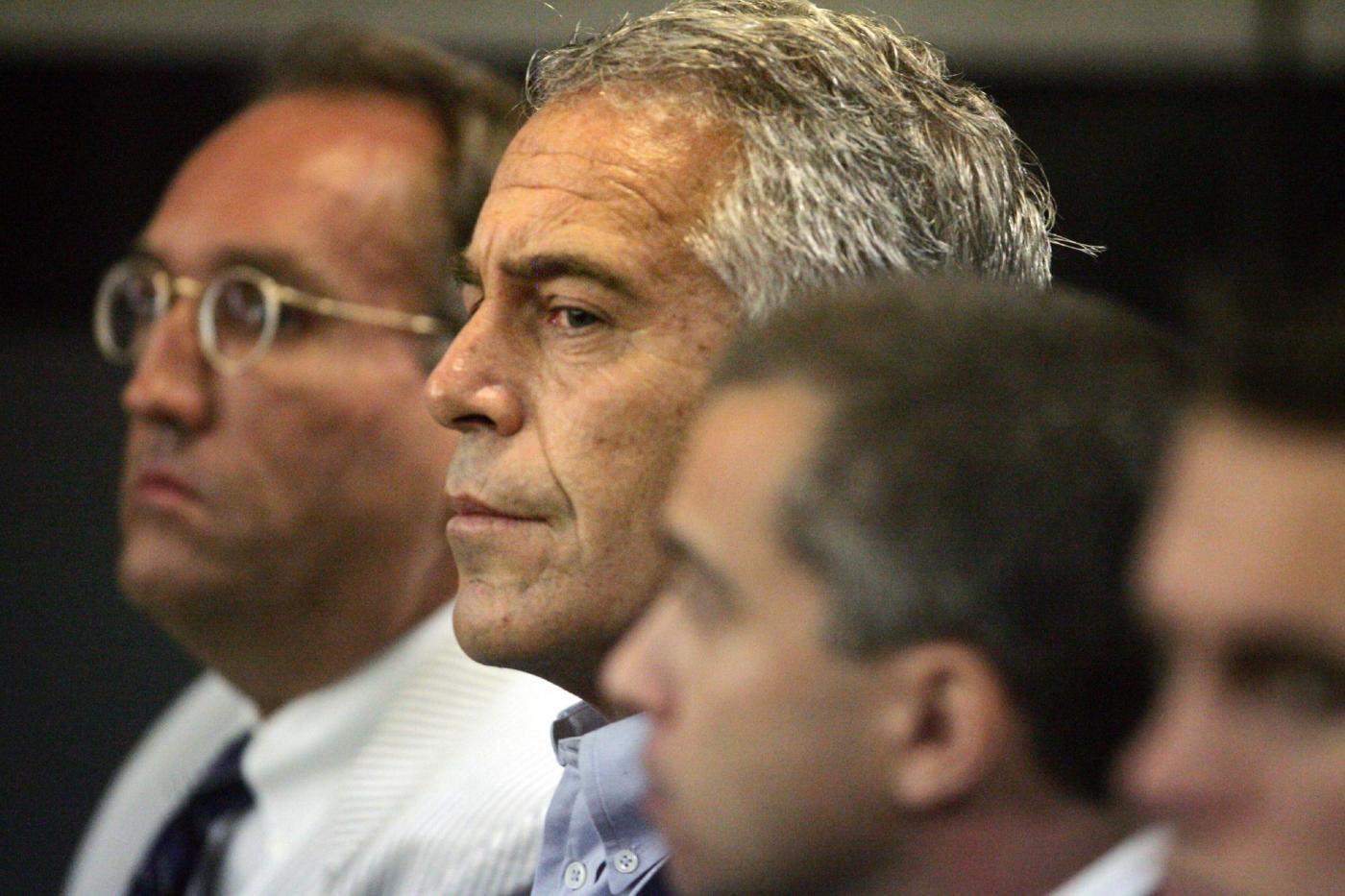
Professors at the University of California, San Diego (UCSD) sought funding from the late financier Jeffrey Epstein to conduct research exploring the potential telepathic abilities of autistic children. This relationship, which began with a funding request in 2010 and culminated in a $50,000 check from Epstein in 2017, has raised significant concerns about ethical considerations in academia.
The initial outreach to Epstein was made by V.S. Ramachandran, a prominent neuroscientist and director of UCSD’s Center for Brain and Cognition. Despite Epstein’s legal history as a convicted sex offender, Ramachandran and his colleagues, including Deepak Chopra and Paul Mills, resumed contact with him several years later to secure funding for their research into autism and telepathy.
In their study, Ramachandran and the team aimed to investigate claims that some autistic children possess unique cognitive abilities, including telepathy. Ramachandran expressed his lack of concern regarding Epstein’s funding in an email to Chopra, stating, “I don’t have a problem with my lab being funded by Epstein.” This correspondence was revealed in a recent document release by the U.S. Department of Justice containing millions of emails linked to Epstein.
The fallout from these revelations has been extensive. Laura Margoni, a spokesperson for UCSD, confirmed the university’s awareness of Epstein’s connections to faculty members and stated that the matter is under review. She emphasized that the campus does not support fundraising from convicted sex offenders, noting that UCSD has no record of a gift from Epstein or his foundation, the Gratitude Foundation.
Chopra characterized his interactions with Epstein as “limited and unrelated to abusive activity.” He acknowledged past email exchanges that reflected “poor judgment in tone,” expressing regret for how they are perceived today. Aaron Marion, a spokesperson for Chopra, confirmed that the $50,000 check was returned but did not provide documentation of the refund.
While Ramachandran did not respond to requests for comments, Mills expressed shock upon learning of Epstein’s involvement, labeling it “utterly disturbing.” Mills, who has retired from UCSD, stated that he was not aware of Epstein until contacted by the media.
Email exchanges also illustrated how Epstein’s financial influence extended to other esteemed institutions, including Harvard, Yale, and Stanford. Many academics continued to engage with Epstein long after his convictions, leading to professional consequences for some, including the resignation of Larry Summers from Harvard.
In the context of this research, Mills described a pilot study involving a 12-year-old boy and his mother, where he explored the boy’s ability to identify numbers without visual cues. Though he acknowledged that the concept of telepathy is inconsistent with mainstream scientific views, Mills maintained a willingness to investigate the phenomenon.
Critics have raised concerns about the motivations behind Epstein’s interest in such studies, particularly given his documented interest in eugenics. Kristen Bottema-Beutel, a professor at Boston College, questioned whether Epstein’s support stemmed from genuine scientific curiosity or a more exploitative agenda.
In light of Epstein’s connections and the controversial nature of the research, UCSD has not provided specifics on whether the telepathy study underwent ethical review by its institutional review board. This lack of oversight has further complicated the narrative surrounding the research.
As the implications of Epstein’s funding practices continue to unfold, the academic community grapples with the intersection of ethics, funding, and research integrity. The case serves as a cautionary tale about the complexities of securing financial support for unconventional studies, particularly when such support comes from individuals with troubling histories.

Urgent Swatting Incident Ties Up Emergency Resources in Alabama

Urgent Tax Alert: Claim Your Deductions Before April 15!

Scientists Investigate Cosmic Defects: Where Are They Now?

Spring Bocce Leagues Open Registration in Rapid City

CALV Offers Essential Communication Class for Real Estate Pros

Samsung Galaxy Watch 9 Set for Larger 435mAh Battery Upgrade

Healthy Choice Wellness Reports Earnings, Stock Sees Uptick

Prince Harry Claims to Be ‘Antidote to Andrew’ Amid Royal Crisis

Pet Owners Weigh Kibble Against Fresh Dog Food Options

ALMA Discovers Companion Orbiting Giant Star π 1 Gruis

U.S. Visa Rescheduling Hits H‐1B Applicants as New Vetting Rules Take Effect

University of Hawaiʻi Joins $25.6M AI Project for Disaster Monitoring

F-22 Raptor vs. Su-57 Felon: A 2025 Fighter Jet Comparison

Recent Divorce Judgments from Iberia Parish Court Records

Ohio State Study Uncovers Brain Connectivity and Function Links

Prince Andrew Faces Fallout from Scandals and Allegations

Urgent: Flight Cancellations Loom at Texas Airports Amid Shutdown

Frank Dunn, Esteemed Builder and Community Leader, Passes Away at 89
-
 Science8 months ago
ALMA Discovers Companion Orbiting Giant Star π 1 Gruis
-
 Politics6 months ago
U.S. Visa Rescheduling Hits H‐1B Applicants as New Vetting Rules Take Effect
-
Science8 months ago
University of Hawaiʻi Joins $25.6M AI Project for Disaster Monitoring
-
 World8 months ago
F-22 Raptor vs. Su-57 Felon: A 2025 Fighter Jet Comparison
-
 Politics8 months ago
Recent Divorce Judgments from Iberia Parish Court Records
-
 Science9 months ago
Ohio State Study Uncovers Brain Connectivity and Function Links
-
 World8 months ago
Prince Andrew Faces Fallout from Scandals and Allegations
-
 Top Stories8 months ago
Urgent: Flight Cancellations Loom at Texas Airports Amid Shutdown
-
 Lifestyle8 months ago
Frank Dunn, Esteemed Builder and Community Leader, Passes Away at 89
-

 Business8 months ago
Appian Recognizes 2025 Partner Award Winners for Enterprise Innovation
-

 Entertainment6 months ago
Malachi Barton Tops Google Searches as Disney’s Rising Star of 2025
-
 Science9 months ago
Innovator Captures Light at 2 Billion Frames Per Second