
World
US Air Force Faces Challenges in Aircraft Modernization Efforts

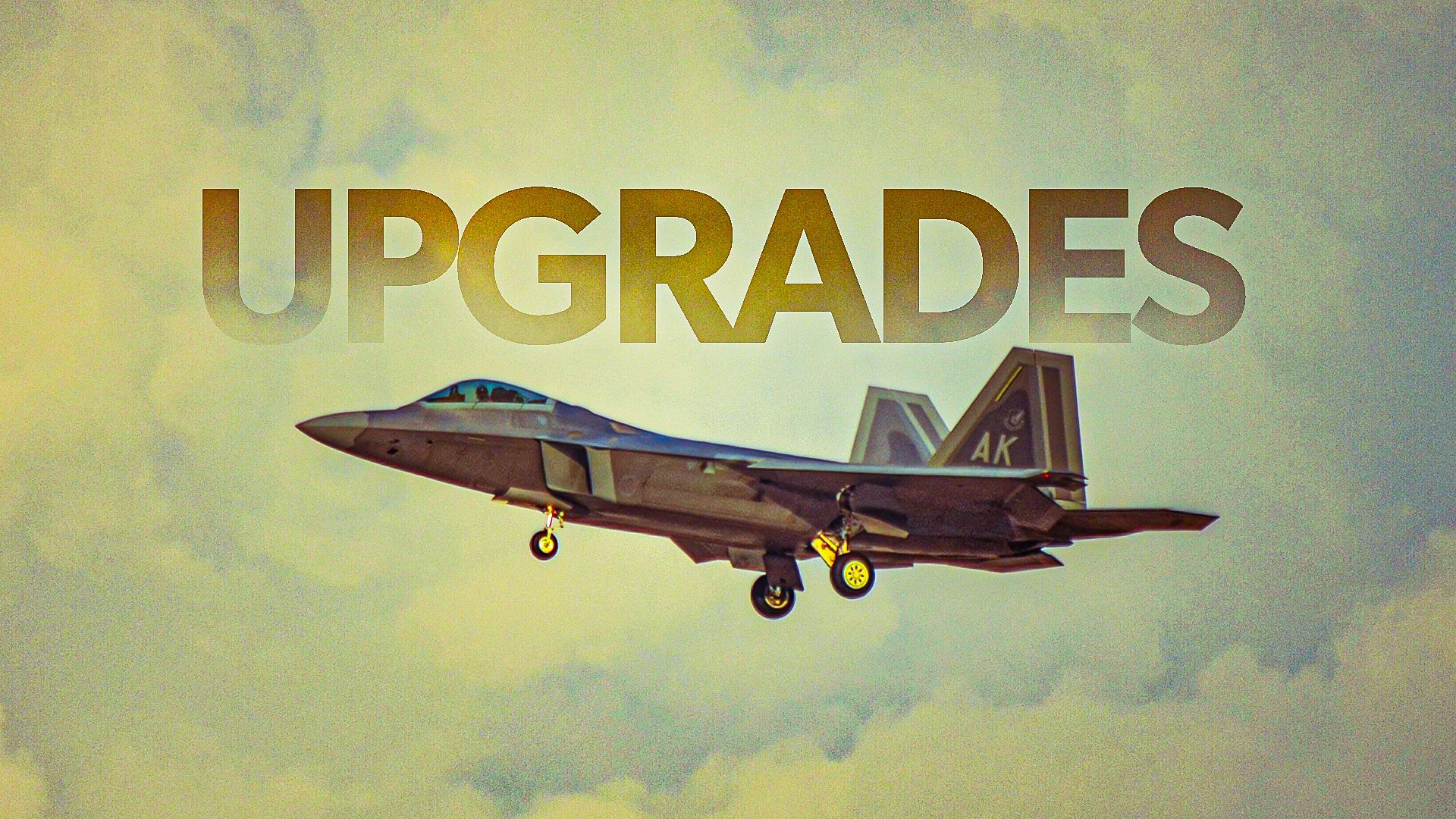
The United States Air Force (USAF) is undergoing a significant modernization initiative that involves upgrading various aircraft across its fleet. This effort, which is one of the most complex in decades, aims to enhance capabilities for a rapidly changing threat landscape. However, the process faces numerous challenges, including delays, increasing costs, and technical difficulties. Observers are left questioning the effectiveness and timeliness of these upgrades, particularly as older aircraft continue to operate alongside new models that are struggling to meet deadlines.
Modernization Efforts Underway
The USAF is focused on updating its aircraft, such as the venerable B-52 Stratofortress and the new presidential aircraft, commonly referred to as Air Force One. These upgrades are essential for maintaining operational relevance in a world where adversaries are rapidly enhancing their own military capabilities. The complex nature of these upgrades means that they are taking longer and costing more than initial estimates.
According to official reports, many aircraft in service today were designed decades ago, often before the advent of modern digital warfare systems. This legacy poses unique challenges as the Air Force attempts to integrate contemporary technology into aging airframes. Major upgrades often require not just new equipment but extensive redesigns of systems that have not kept pace with advancements in aviation technology.
Key Factors Behind Delays and Costs
One of the primary drivers of the modernization delays is the age of the aircraft. For instance, the B-52 first entered service in 1955, and while its airframe remains solid, its internal systems are outdated. The Air Force has noted that the integration of modern electronics involves significant changes to power generation, wiring, and cooling systems, which can introduce unforeseen complications during testing phases.
Additionally, budget constraints and industrial capacity issues further complicate the upgrading process. Defense contractors are balancing multiple high-priority projects, and ongoing global supply-chain disruptions have affected the availability of critical components. These challenges are particularly evident in low-volume military programs that cannot benefit from mass production efficiencies.
The modernization initiatives encompass various aircraft platforms, each facing its own set of challenges:
– **B-52 Stratofortress**: Focused on radar and avionics upgrades, the aging airframe requires extensive redesign to accommodate modern systems.
– **B-1B Lancer**: With limited upgrade scope due to aging systems, further investment and testing are hampered.
– **A-10 Thunderbolt II**: While upgrades extend its operational life, they do not entirely address its vulnerability to modern threats.
– **F-35 Lightning II**: The complexity of the software and hardware integration leads to delays, impacting the overall timeline of the program.
The B-52 Radar Modernization Program exemplifies these intersecting challenges. The initiative aims to replace the existing radar with a new active electronically scanned array (AESA) system, enhancing operational capabilities while reducing maintenance demands. This upgrade is critical for ensuring the B-52 remains effective in both nuclear and conventional missions.
Air Force leaders assert that modernization is not merely an option but a necessity for maintaining operational effectiveness, particularly against sophisticated adversaries. The increasing reliance on advanced technology has made older systems more vulnerable to modern electronic warfare tactics, necessitating urgent upgrades.
The situation surrounding the new Air Force One presents a more intricate scenario, with evolving design requirements and high security standards complicating the production timeline. Analysts expect that the new VC-25B aircraft will enter service several years later than planned, with total costs continuing to rise. This reflects a broader trend in military aviation, where the integration of advanced systems often leads to extended timelines and increased expenses.
Future Implications and Strategic Considerations
As the USAF navigates these modernization challenges, the question of whether to upgrade existing aircraft or replace them entirely remains a topic of discussion. Analysts suggest that while retiring older models and introducing new designs may seem appealing, the financial and logistical demands of developing a new aircraft from scratch often lead to protracted timelines.
For example, the B-21 Raider stealth bomber has been in development for several years and still requires time to achieve full operational capability. During this transition phase, maintaining a reliable fleet becomes essential, underscoring the necessity of upgrading existing platforms.
Despite the complexities involved, the USAF is committed to balancing modernization efforts with mission readiness. The operational landscape demands that the Air Force remain agile and responsive to emerging threats, even as it grapples with the inherent challenges of upgrading its aging fleet. As modernization efforts continue, the focus will remain on strategic investments that ensure the Air Force can effectively meet its mission requirements, even amid the realities of time and budget constraints.

Urgent Swatting Incident Ties Up Emergency Resources in Alabama

Urgent Tax Alert: Claim Your Deductions Before April 15!

Scientists Investigate Cosmic Defects: Where Are They Now?

Spring Bocce Leagues Open Registration in Rapid City

CALV Offers Essential Communication Class for Real Estate Pros

Samsung Galaxy Watch 9 Set for Larger 435mAh Battery Upgrade

Healthy Choice Wellness Reports Earnings, Stock Sees Uptick

Prince Harry Claims to Be ‘Antidote to Andrew’ Amid Royal Crisis

Pet Owners Weigh Kibble Against Fresh Dog Food Options

ALMA Discovers Companion Orbiting Giant Star π 1 Gruis

U.S. Visa Rescheduling Hits H‐1B Applicants as New Vetting Rules Take Effect

University of Hawaiʻi Joins $25.6M AI Project for Disaster Monitoring

F-22 Raptor vs. Su-57 Felon: A 2025 Fighter Jet Comparison

Recent Divorce Judgments from Iberia Parish Court Records

Ohio State Study Uncovers Brain Connectivity and Function Links

Prince Andrew Faces Fallout from Scandals and Allegations

Urgent: Flight Cancellations Loom at Texas Airports Amid Shutdown

Frank Dunn, Esteemed Builder and Community Leader, Passes Away at 89
-
 Science8 months ago
ALMA Discovers Companion Orbiting Giant Star π 1 Gruis
-
 Politics6 months ago
U.S. Visa Rescheduling Hits H‐1B Applicants as New Vetting Rules Take Effect
-
Science8 months ago
University of Hawaiʻi Joins $25.6M AI Project for Disaster Monitoring
-
 World8 months ago
F-22 Raptor vs. Su-57 Felon: A 2025 Fighter Jet Comparison
-
 Politics8 months ago
Recent Divorce Judgments from Iberia Parish Court Records
-
 Science9 months ago
Ohio State Study Uncovers Brain Connectivity and Function Links
-
 World8 months ago
Prince Andrew Faces Fallout from Scandals and Allegations
-
 Top Stories8 months ago
Urgent: Flight Cancellations Loom at Texas Airports Amid Shutdown
-
 Lifestyle8 months ago
Frank Dunn, Esteemed Builder and Community Leader, Passes Away at 89
-

 Business8 months ago
Appian Recognizes 2025 Partner Award Winners for Enterprise Innovation
-

 Entertainment7 months ago
Malachi Barton Tops Google Searches as Disney’s Rising Star of 2025
-

 Science9 months ago
Innovator Captures Light at 2 Billion Frames Per Second