
World
UN Human Rights Council Condemns Iran’s Violent Protest Crackdown

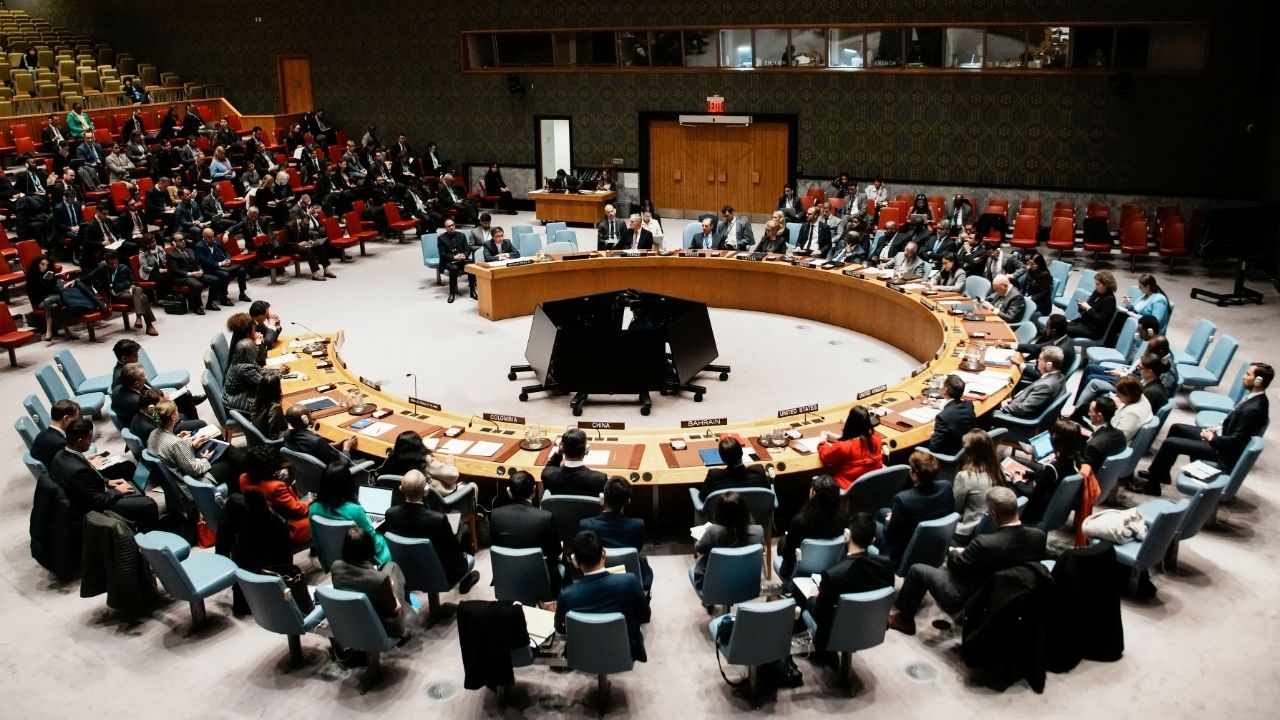
The United Nations Human Rights Council has condemned Iran for its violent repression of anti-government protests, which have reportedly resulted in the deaths of thousands of people. During an emergency session held in Geneva on March 15, 2024, U.N. High Commissioner for Human Rights, Volker Turk, called for the Iranian authorities to halt their “brutal repression” and reconsider their approach to the ongoing unrest.
The council passed a motion to extend its previous inquiry initiated in 2022, enabling U.N. investigators to document the latest violence for potential future legal proceedings. Turk expressed particular concern for the welfare of detainees, emphasizing the urgent need for accountability.
Rights organizations have reported that bystanders are among those killed during what is described as the most severe crackdown since the Shi’ite Muslim clerics assumed power in the Iranian Revolution of 1979. In response, Tehran has accused “terrorists and rioters” allegedly supported by exiled opponents and foreign adversaries, including the United States and Israel.
Iran’s mission to the U.N. denounced the council’s resolution as “politicized,” asserting that the country has its own independent mechanisms to investigate the root causes of the unrest.
Twenty-five nations, including France, Mexico, and South Korea, voted in favor of the motion. Conversely, seven countries, notably China and India, opposed it, while 14 nations abstained from voting.
During the session, former U.N. prosecutor Payam Akhavan, who holds Iranian-Canadian nationality, described the situation as “the worst mass murder in the contemporary history of Iran.” He called for a “Nuremberg moment,” referencing the trials of Nazi leaders after World War Two.
Iran’s ambassador to the U.N. in Geneva, Ali Bahreini, contested the validity of the emergency session and stated that around 3,000 individuals have been killed amid the unrest. Nevertheless, some Iranian officials have reported that the death toll may exceed 5,000, including 500 members of the security forces. The U.S.-based HRANA rights group has verified 4,519 deaths linked to the unrest, with an additional 9,049 deaths under review.
The session also saw countries such as China, Pakistan, Cuba, and Ethiopia question the effectiveness of the inquiry. Beijing’s ambassador, Jia Guide, labeled the unrest in Iran as an internal matter.
As the U.N. grapples with a funding crisis impacting other investigations, it remains uncertain who will finance the extended inquiry into Iran’s actions. The international community continues to watch closely as tensions in the region evolve.

Urgent Swatting Incident Ties Up Emergency Resources in Alabama

Urgent Tax Alert: Claim Your Deductions Before April 15!

Scientists Investigate Cosmic Defects: Where Are They Now?

Spring Bocce Leagues Open Registration in Rapid City

CALV Offers Essential Communication Class for Real Estate Pros

Samsung Galaxy Watch 9 Set for Larger 435mAh Battery Upgrade

Healthy Choice Wellness Reports Earnings, Stock Sees Uptick

Prince Harry Claims to Be ‘Antidote to Andrew’ Amid Royal Crisis

Pet Owners Weigh Kibble Against Fresh Dog Food Options

ALMA Discovers Companion Orbiting Giant Star π 1 Gruis

U.S. Visa Rescheduling Hits H‐1B Applicants as New Vetting Rules Take Effect

University of Hawaiʻi Joins $25.6M AI Project for Disaster Monitoring

F-22 Raptor vs. Su-57 Felon: A 2025 Fighter Jet Comparison

Recent Divorce Judgments from Iberia Parish Court Records

Ohio State Study Uncovers Brain Connectivity and Function Links

Prince Andrew Faces Fallout from Scandals and Allegations

Urgent: Flight Cancellations Loom at Texas Airports Amid Shutdown

Frank Dunn, Esteemed Builder and Community Leader, Passes Away at 89
-
 Science8 months ago
ALMA Discovers Companion Orbiting Giant Star π 1 Gruis
-
 Politics6 months ago
U.S. Visa Rescheduling Hits H‐1B Applicants as New Vetting Rules Take Effect
-
Science8 months ago
University of Hawaiʻi Joins $25.6M AI Project for Disaster Monitoring
-
 World8 months ago
F-22 Raptor vs. Su-57 Felon: A 2025 Fighter Jet Comparison
-
 Politics8 months ago
Recent Divorce Judgments from Iberia Parish Court Records
-
 Science8 months ago
Ohio State Study Uncovers Brain Connectivity and Function Links
-
 World8 months ago
Prince Andrew Faces Fallout from Scandals and Allegations
-
 Top Stories8 months ago
Urgent: Flight Cancellations Loom at Texas Airports Amid Shutdown
-
 Lifestyle8 months ago
Frank Dunn, Esteemed Builder and Community Leader, Passes Away at 89
-

 Business8 months ago
Appian Recognizes 2025 Partner Award Winners for Enterprise Innovation
-

 Entertainment6 months ago
Malachi Barton Tops Google Searches as Disney’s Rising Star of 2025
-

 Science9 months ago
Innovator Captures Light at 2 Billion Frames Per Second