
World
Terminally Ill Man Leaves $1.3 Million to Online Fraudster

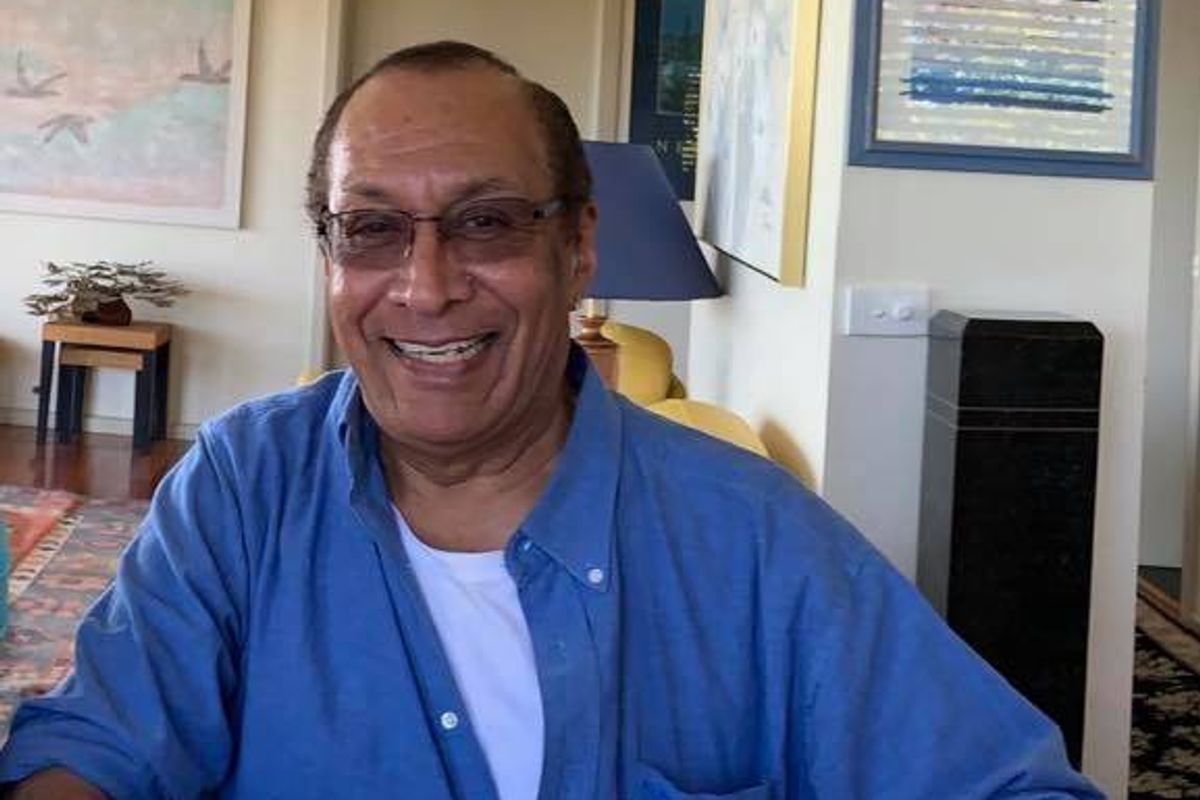
A man from Melbourne, Australia, tragically left his estate worth $1.3 million to an online romantic partner, only for it to be revealed that the beneficiary did not exist. William Ian Southey, who passed away at the age of 73 in 2022, had intended for his considerable fortune to go to a man known as Kyle Stuart Jackson, who was named as the executor of his will.
The relationship began when William sought companionship online after losing his partner of 40 years. He connected with Kyle in early 2022 and reportedly had plans to marry him. Unfortunately, subsequent investigations revealed that Kyle was a fabricated persona, casting doubt on the legitimacy of the relationship.
As William’s estate planning unfolded, solicitors encountered significant challenges in verifying Kyle’s identity. William’s ex-wife, Kaye Moseley, who was married to him from 1976 to 1989, raised concerns and petitioned the court for clarification regarding Kyle’s authenticity. Following the investigation, the court concluded that Kyle did not exist in any verifiable manner, according to reports from the Mirror.
Kaye’s legal representative, Rachael Hocking, emphasized the difficulties faced during the verification process. “We couldn’t identify him, so we couldn’t have him involved in the administration process, and we couldn’t have the estate distributed to him either,” Hocking stated. This revelation sheds light on the potential dangers of online relationships, particularly for vulnerable individuals.
The investigation into Kyle’s identity spanned two years, during which solicitors attempted various methods to confirm his existence. This included phone calls, emails, and attempts to hold video meetings via Zoom. A private investigator determined that a passport attributed to Kyle was counterfeit.
In a significant finding, a cheque for $866,484, purportedly written to Kyle for the purchase of two Jean Basquiat paintings, was confirmed as invalid by the Toronto-Dominion Bank. Associate Judge Caroline Anne Goulden ruled that the individual using the email address linked to Jackson was unresponsive and that the address he provided yielded no records of anyone by that name. “I am satisfied that the person named [in the will] as Kyle Stuart Jackson does not exist,” the judge concluded.
This case serves as a stark reminder of the potential risks associated with online relationships. Hocking has cautioned the public to be vigilant, labeling the situation a “dire warning.” She highlighted that many individuals with vulnerabilities or disabilities fall prey to similar financial scams. “We see a lot in financial scams; people transferring money overseas. But now, this case has shown that it’s actually even progressed to being nominated as a potential beneficiary under a will as well,” she remarked.
William’s only form of communication with Kyle was through the internet, yet this connection led to him being named as the executor and sole beneficiary of William’s estate, which included property in the Melbourne suburb of Kew, sold for $1.6 million. This heart-wrenching story illustrates the complex interplay of trust, technology, and the need for caution in digital interactions.

Urgent Swatting Incident Ties Up Emergency Resources in Alabama

Urgent Tax Alert: Claim Your Deductions Before April 15!

Scientists Investigate Cosmic Defects: Where Are They Now?

Spring Bocce Leagues Open Registration in Rapid City

CALV Offers Essential Communication Class for Real Estate Pros

Samsung Galaxy Watch 9 Set for Larger 435mAh Battery Upgrade

Healthy Choice Wellness Reports Earnings, Stock Sees Uptick

Prince Harry Claims to Be ‘Antidote to Andrew’ Amid Royal Crisis

Pet Owners Weigh Kibble Against Fresh Dog Food Options

ALMA Discovers Companion Orbiting Giant Star π 1 Gruis

U.S. Visa Rescheduling Hits H‐1B Applicants as New Vetting Rules Take Effect

University of Hawaiʻi Joins $25.6M AI Project for Disaster Monitoring

F-22 Raptor vs. Su-57 Felon: A 2025 Fighter Jet Comparison

Recent Divorce Judgments from Iberia Parish Court Records

Urgent: Flight Cancellations Loom at Texas Airports Amid Shutdown

Ohio State Study Uncovers Brain Connectivity and Function Links

Frank Dunn, Esteemed Builder and Community Leader, Passes Away at 89

Appian Recognizes 2025 Partner Award Winners for Enterprise Innovation
-
 Science9 months ago
ALMA Discovers Companion Orbiting Giant Star π 1 Gruis
-
 Politics7 months ago
U.S. Visa Rescheduling Hits H‐1B Applicants as New Vetting Rules Take Effect
-
Science10 months ago
University of Hawaiʻi Joins $25.6M AI Project for Disaster Monitoring
-
 World10 months ago
F-22 Raptor vs. Su-57 Felon: A 2025 Fighter Jet Comparison
-
 Politics9 months ago
Recent Divorce Judgments from Iberia Parish Court Records
-
 Top Stories10 months ago
Urgent: Flight Cancellations Loom at Texas Airports Amid Shutdown
-
 Science10 months ago
Ohio State Study Uncovers Brain Connectivity and Function Links
-
 Lifestyle10 months ago
Frank Dunn, Esteemed Builder and Community Leader, Passes Away at 89
-
 Business9 months ago
Appian Recognizes 2025 Partner Award Winners for Enterprise Innovation
-

 World10 months ago
Prince Andrew Faces Fallout from Scandals and Allegations
-

 Entertainment8 months ago
Malachi Barton Tops Google Searches as Disney’s Rising Star of 2025
-

 Top Stories9 months ago
Republican Matt Van Epps Wins Tennessee Special Election