
World
Oil Traders Reenter Venezuela Market Following Maduro’s Ouster

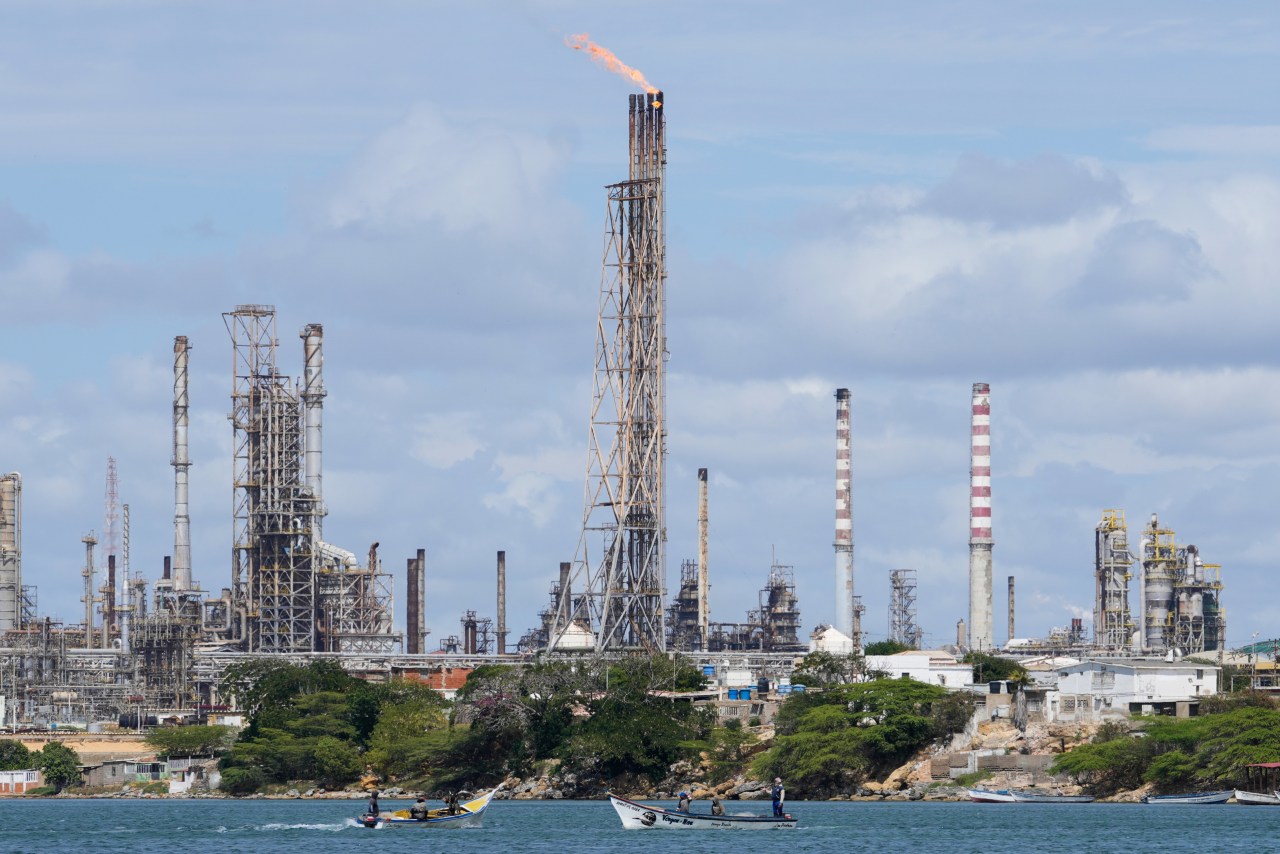
Oil traders, including major firms such as Vitol and Trafigura, are reestablishing their presence in the Venezuelan oil market following the recent ousting of President Nicolás Maduro. This shift marks a significant change in the landscape of oil trading in the country, which has faced years of sanctions and economic challenges.
Venezuela, once a powerhouse in oil production, has seen its output plummet due to political instability and economic mismanagement. However, the recent political developments have created what some traders view as a reopening, with a potential for lucrative profits. The new climate has encouraged Greek tanker owners to join the resurgence, signaling a renewed interest in transporting Venezuelan crude oil.
The Venezuelan government has been working to boost oil production, aiming to restore output to levels seen before the sanctions were imposed. In 2022, production averaged around 600,000 barrels per day, well below its historical highs of over 3 million barrels per day in the late 1990s. As of early 2023, the government has set an ambitious target to reach production levels of 1 million barrels per day by the end of the year.
Investment in Venezuelan oil infrastructure is critical, and both Vitol and Trafigura are reportedly negotiating contracts worth approximately $3 billion to secure access to the country’s oil reserves. These contracts are expected to facilitate the procurement and transportation of crude oil to international markets, particularly in Asia and Europe, where demand remains high.
The role of Greek tanker owners in this revitalization cannot be understated. With their fleets poised to transport oil from Venezuela, they are set to benefit from the rising global oil prices. Analysts suggest that the re-entry of these traders could significantly impact the dynamics of the global oil market, particularly if production levels stabilize.
Furthermore, Venezuela’s membership in the Organization of the Petroleum Exporting Countries (OPEC) adds another layer of complexity to the situation. The country’s compliance with OPEC production quotas will be closely monitored as it seeks to balance its economic recovery with the interests of the larger oil cartel.
As the situation continues to evolve, the international community will watch closely to see how these developments impact both the Venezuelan economy and global oil prices. The potential for profit lures these companies into a market that has been largely dormant, but the risks remain high due to the country’s ongoing political uncertainties.
In conclusion, the re-entry of oil traders and tanker owners into Venezuela signifies a critical juncture for the country’s oil industry. With ambitious production targets and significant financial investments on the table, the outcome of this renewed interest could shape the future of Venezuelan oil for years to come.

Urgent Swatting Incident Ties Up Emergency Resources in Alabama

Urgent Tax Alert: Claim Your Deductions Before April 15!

Scientists Investigate Cosmic Defects: Where Are They Now?

Spring Bocce Leagues Open Registration in Rapid City

CALV Offers Essential Communication Class for Real Estate Pros

Samsung Galaxy Watch 9 Set for Larger 435mAh Battery Upgrade

Healthy Choice Wellness Reports Earnings, Stock Sees Uptick

Prince Harry Claims to Be ‘Antidote to Andrew’ Amid Royal Crisis

Pet Owners Weigh Kibble Against Fresh Dog Food Options

ALMA Discovers Companion Orbiting Giant Star π 1 Gruis

U.S. Visa Rescheduling Hits H‐1B Applicants as New Vetting Rules Take Effect

University of Hawaiʻi Joins $25.6M AI Project for Disaster Monitoring

F-22 Raptor vs. Su-57 Felon: A 2025 Fighter Jet Comparison

Recent Divorce Judgments from Iberia Parish Court Records

Ohio State Study Uncovers Brain Connectivity and Function Links

Prince Andrew Faces Fallout from Scandals and Allegations

Urgent: Flight Cancellations Loom at Texas Airports Amid Shutdown

Frank Dunn, Esteemed Builder and Community Leader, Passes Away at 89
-
 Science8 months ago
ALMA Discovers Companion Orbiting Giant Star π 1 Gruis
-
 Politics6 months ago
U.S. Visa Rescheduling Hits H‐1B Applicants as New Vetting Rules Take Effect
-
Science8 months ago
University of Hawaiʻi Joins $25.6M AI Project for Disaster Monitoring
-
 World8 months ago
F-22 Raptor vs. Su-57 Felon: A 2025 Fighter Jet Comparison
-
 Politics8 months ago
Recent Divorce Judgments from Iberia Parish Court Records
-
 Science9 months ago
Ohio State Study Uncovers Brain Connectivity and Function Links
-
 World8 months ago
Prince Andrew Faces Fallout from Scandals and Allegations
-
 Top Stories8 months ago
Urgent: Flight Cancellations Loom at Texas Airports Amid Shutdown
-
 Lifestyle8 months ago
Frank Dunn, Esteemed Builder and Community Leader, Passes Away at 89
-

 Business8 months ago
Appian Recognizes 2025 Partner Award Winners for Enterprise Innovation
-

 Entertainment6 months ago
Malachi Barton Tops Google Searches as Disney’s Rising Star of 2025
-

 Science9 months ago
Innovator Captures Light at 2 Billion Frames Per Second