
World
Space Supply Chain Faces Strain Amid Satellite Boom

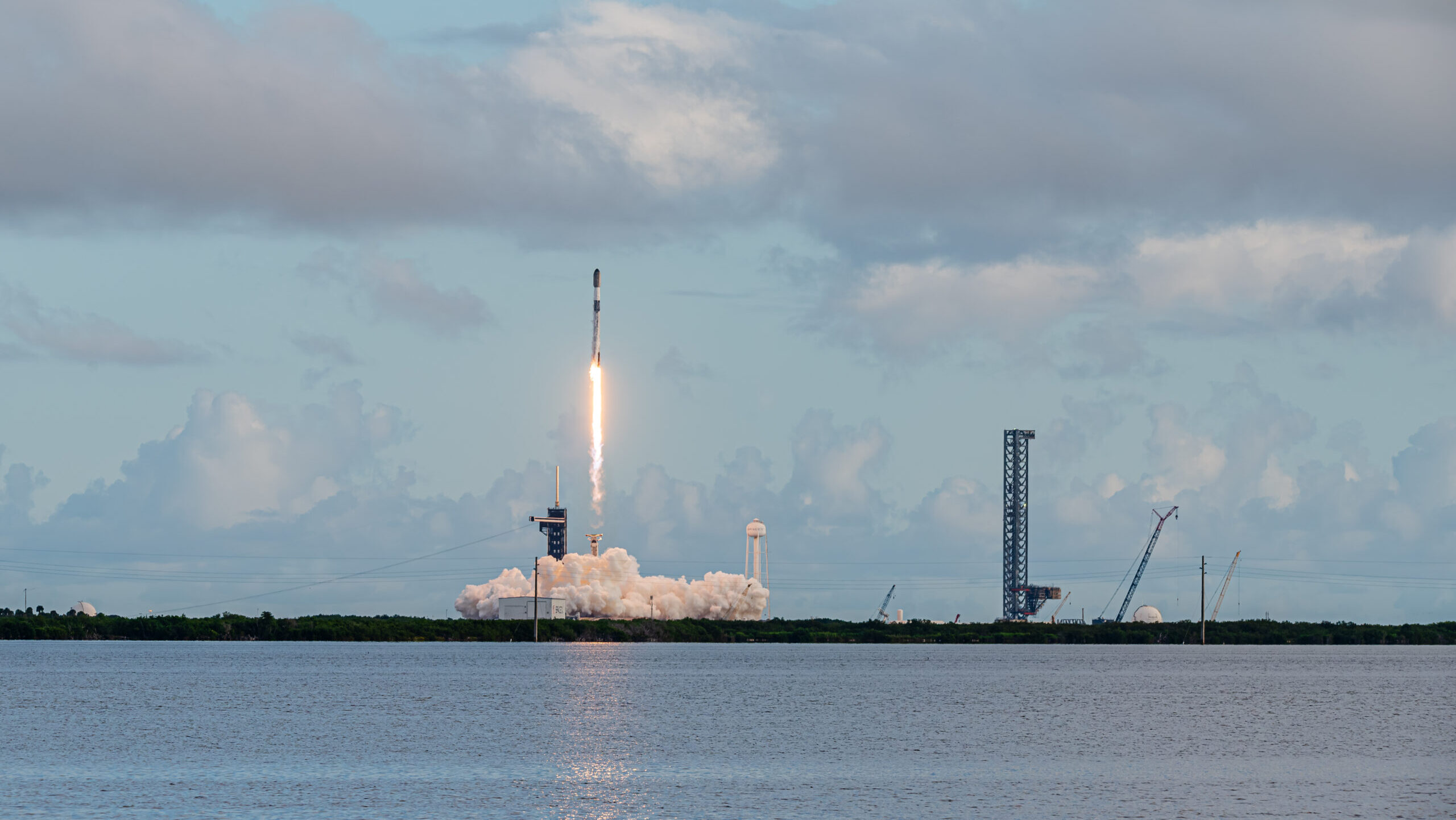
The global space supply chain is under increasing pressure as demands for satellites and launch vehicles surge. In December 2023, China filed an application with the International Telecommunication Union for a staggering 203,000 satellites across various constellations. Shortly after, SpaceX announced its ambitious plan for a million-satellite network aimed at creating a comprehensive space data center. Coupled with military investments from nations worldwide, the race for space infrastructure has intensified, leaving industry experts concerned about the potential strain on the supply chain.
Industry leaders emphasize the urgency of addressing these challenges. According to Dave Cavossa, head of the Commercial Space Federation, the upcoming years will see demand for launch vehicles and satellite components reach unprecedented levels. “I think demand is about to go through the roof,” he stated, highlighting that the U.S. industrial base may not be prepared to meet this surge.
Commercial Demand and Defense Needs Grow
A primary driver of concern is the expected expansion of mega-constellations, particularly in low Earth orbit (LEO). Companies like SpaceX and Amazon are at the forefront. SpaceX’s Starlink and military-oriented Starshield are being joined by Amazon’s Project Kuiper, which aims to deploy 7,700 satellites for high-speed internet services.
The defense sector is also ramping up its capabilities, with the U.S. Defense Department pursuing initiatives like the Golden Dome missile shield. This includes projects from the Space Development Agency (SDA) and Space Systems Command (SSC), which plan to launch hundreds of new satellites for missile tracking in LEO and medium Earth orbit (MEO).
As Jeff Schrader, vice president of strategy at Lockheed Martin, noted, the company is witnessing a 632 percent increase in satellite deliveries compared to its long-range plan. Lockheed Martin has proactively managed its extensive supply chain, which spans over 13,200 suppliers across 52 countries, by implementing strategies like double sourcing to ensure stability.
Identifying Supply Chain Bottlenecks
Despite these efforts, the overlap between commercial and defense supply chains presents significant challenges. Scott Herman, chief technology officer at UK startup SatVu, pointed out that even vertically integrated companies depend heavily on a limited number of suppliers for critical components.
Concerns over specific supply chain bottlenecks have been echoed by various industry figures, including Lt. Gen. Philip Garrant, commander of the SSC. During a recent conference, he highlighted widespread issues affecting components such as optical crosslinks and propulsion systems. “Those are challenges that everybody’s facing,” he said on February 24, 2024.
To better understand these issues, organizations like the Aerospace Industries Association (AIA) and the Satellite Industries Association (SIA) are conducting studies to assess the scope of the problem. AIA plans to release its findings shortly, offering insights and recommendations for mitigating these challenges.
Meanwhile, the Commercial Space Federation has initiated a Space Supply Chain Council to gather information from its members regarding their primary concerns and current struggles. The council aims to provide a platform for collaboration among major players in the industry.
As demand continues to escalate, industry insiders warn that the evolving market dynamics could shift focus away from the Department of Defense (DoD) to commercial opportunities. One industry insider noted that companies might prioritize lucrative contracts with commercial entities over defense contracts due to better business prospects.
The unpredictability of DoD demand, influenced by annual budgets and political factors, further complicates the landscape. As Caleb Henry, director of research at Quilty Space, stated, “The customer demand signal is lumpy and unpredictable.” This inconsistency may deter suppliers from making necessary investments to scale up their operations.
Additionally, the impact of tariffs and customs regulations has raised concerns among manufacturers. Herman explained that uncertainties regarding potential tariffs on key components could affect cost structures and overall supply chain stability.
As the space industry navigates these challenges, the need for a robust and resilient supply chain has never been more critical. With military and commercial demands escalating, stakeholders must work collaboratively to ensure that the infrastructure supporting future space endeavors can withstand the pressures of a rapidly evolving market.

Urgent Swatting Incident Ties Up Emergency Resources in Alabama

Urgent Tax Alert: Claim Your Deductions Before April 15!

Scientists Investigate Cosmic Defects: Where Are They Now?

Spring Bocce Leagues Open Registration in Rapid City

CALV Offers Essential Communication Class for Real Estate Pros

Samsung Galaxy Watch 9 Set for Larger 435mAh Battery Upgrade

Healthy Choice Wellness Reports Earnings, Stock Sees Uptick

Prince Harry Claims to Be ‘Antidote to Andrew’ Amid Royal Crisis

Pet Owners Weigh Kibble Against Fresh Dog Food Options

ALMA Discovers Companion Orbiting Giant Star π 1 Gruis

U.S. Visa Rescheduling Hits H‐1B Applicants as New Vetting Rules Take Effect

University of Hawaiʻi Joins $25.6M AI Project for Disaster Monitoring

F-22 Raptor vs. Su-57 Felon: A 2025 Fighter Jet Comparison

Recent Divorce Judgments from Iberia Parish Court Records

Urgent: Flight Cancellations Loom at Texas Airports Amid Shutdown

Ohio State Study Uncovers Brain Connectivity and Function Links

Frank Dunn, Esteemed Builder and Community Leader, Passes Away at 89

Appian Recognizes 2025 Partner Award Winners for Enterprise Innovation
-
 Science9 months ago
ALMA Discovers Companion Orbiting Giant Star π 1 Gruis
-
 Politics7 months ago
U.S. Visa Rescheduling Hits H‐1B Applicants as New Vetting Rules Take Effect
-
Science10 months ago
University of Hawaiʻi Joins $25.6M AI Project for Disaster Monitoring
-
 World10 months ago
F-22 Raptor vs. Su-57 Felon: A 2025 Fighter Jet Comparison
-
 Politics9 months ago
Recent Divorce Judgments from Iberia Parish Court Records
-
 Top Stories10 months ago
Urgent: Flight Cancellations Loom at Texas Airports Amid Shutdown
-
 Science10 months ago
Ohio State Study Uncovers Brain Connectivity and Function Links
-
 Lifestyle10 months ago
Frank Dunn, Esteemed Builder and Community Leader, Passes Away at 89
-
 Business9 months ago
Appian Recognizes 2025 Partner Award Winners for Enterprise Innovation
-

 World10 months ago
Prince Andrew Faces Fallout from Scandals and Allegations
-

 Entertainment8 months ago
Malachi Barton Tops Google Searches as Disney’s Rising Star of 2025
-

 Top Stories9 months ago
Republican Matt Van Epps Wins Tennessee Special Election