
World
Eurozone Faces Export Challenges Amid Unstable U.S. Policies

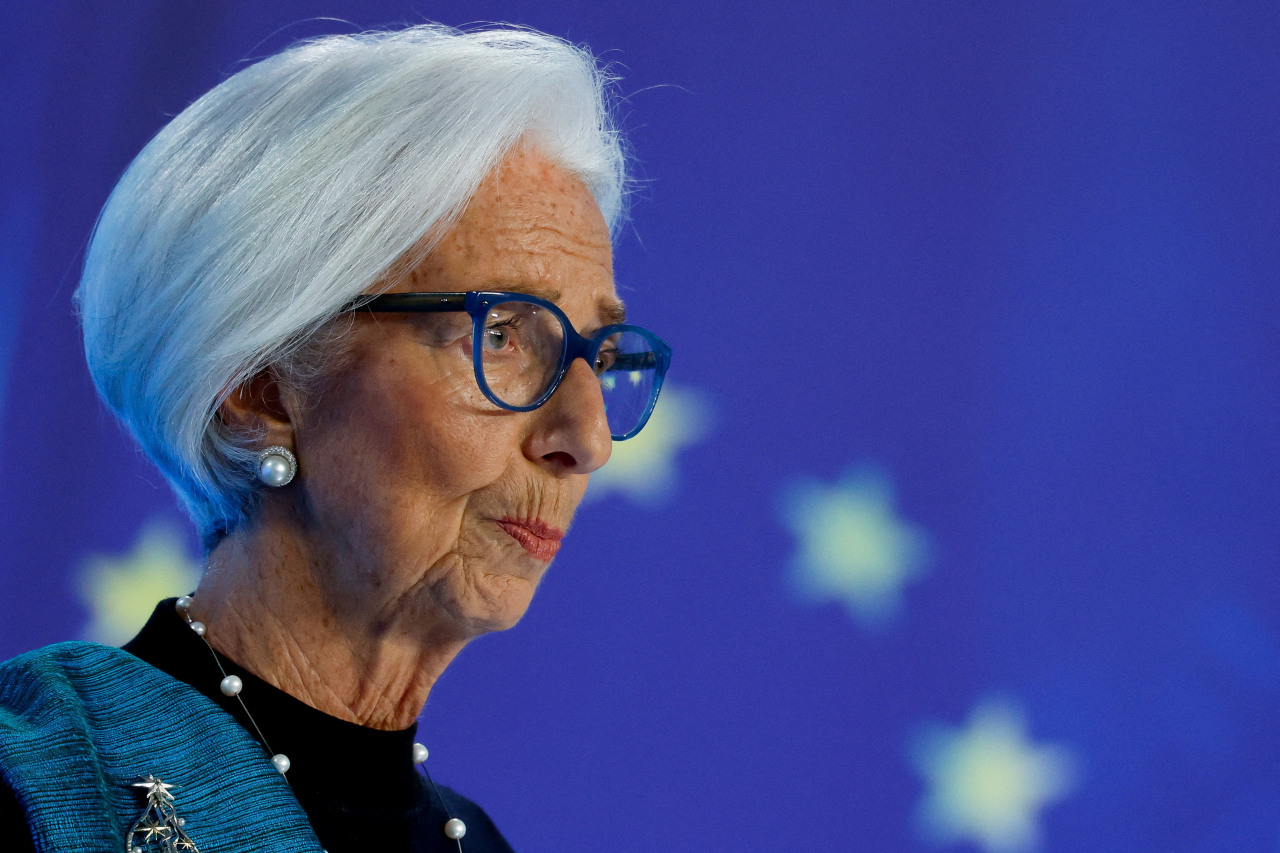
The European Central Bank’s President, Christine Lagarde, has highlighted ongoing challenges for Eurozone exporters, attributing difficulties in securing overseas buyers to unpredictable U.S. policies. Speaking at a recent conference in Frankfurt, Lagarde emphasized that the current economic landscape is marked by volatility, which complicates global trade for European nations.
According to Lagarde, the fluctuating policies from the United States have created an uncertain environment for exporters. This instability is impacting their ability to effectively reach and engage potential international markets. The Eurozone, which comprises 19 of the 27 European Union countries, is particularly vulnerable to such external shifts, given its reliance on trade for economic growth.
Impact of U.S. Policy Changes on Eurozone Trade
Lagarde pointed out that exporters are facing increased difficulty not only in identifying potential buyers but also in navigating the complexities introduced by the changing U.S. regulatory framework. The ECB’s assessment indicates that these challenges are contributing to a broader slowdown in trade volumes within the Eurozone.
In light of these developments, Lagarde has called for a coordinated response among Eurozone member states. She advocates for strategies that can enhance competitiveness and adaptability in the face of external pressures. The ECB is closely monitoring these trends, as they play a crucial role in shaping the region’s economic outlook.
The effects of these trade challenges are already being felt across various sectors in the Eurozone. Industries that rely heavily on exports, such as manufacturing and agriculture, are particularly at risk. They may need to explore alternative markets and diversify their product offerings to mitigate potential losses.
Long-Term Solutions and Strategies
Looking ahead, Lagarde stressed the importance of innovation and investment in technology as essential components for overcoming these trade hurdles. By fostering a more resilient economic framework, the Eurozone can better withstand the shocks of external policy shifts and maintain its position in the global market.
The ECB is committed to providing support and guidance to member states as they navigate this complex landscape. With the right measures in place, the Eurozone can work towards sustaining growth and ensuring that its exporters remain competitive despite external challenges.
As the situation evolves, stakeholders across the Eurozone will need to remain vigilant and proactive. The interconnected nature of today’s global economy requires a unified approach to address the multifaceted challenges posed by shifting international policies.
In summary, the Eurozone faces significant obstacles in trade due to volatile U.S. policies, as articulated by Christine Lagarde. The need for strategic adaptation and enhanced cooperation among member states has never been more pressing.

Urgent Swatting Incident Ties Up Emergency Resources in Alabama

Urgent Tax Alert: Claim Your Deductions Before April 15!

Scientists Investigate Cosmic Defects: Where Are They Now?

Spring Bocce Leagues Open Registration in Rapid City

CALV Offers Essential Communication Class for Real Estate Pros

Samsung Galaxy Watch 9 Set for Larger 435mAh Battery Upgrade

Healthy Choice Wellness Reports Earnings, Stock Sees Uptick

Prince Harry Claims to Be ‘Antidote to Andrew’ Amid Royal Crisis

Pet Owners Weigh Kibble Against Fresh Dog Food Options

ALMA Discovers Companion Orbiting Giant Star π 1 Gruis

U.S. Visa Rescheduling Hits H‐1B Applicants as New Vetting Rules Take Effect

University of Hawaiʻi Joins $25.6M AI Project for Disaster Monitoring

F-22 Raptor vs. Su-57 Felon: A 2025 Fighter Jet Comparison

Recent Divorce Judgments from Iberia Parish Court Records

Urgent: Flight Cancellations Loom at Texas Airports Amid Shutdown

Ohio State Study Uncovers Brain Connectivity and Function Links

Frank Dunn, Esteemed Builder and Community Leader, Passes Away at 89

Appian Recognizes 2025 Partner Award Winners for Enterprise Innovation
-
 Science9 months ago
ALMA Discovers Companion Orbiting Giant Star π 1 Gruis
-
 Politics7 months ago
U.S. Visa Rescheduling Hits H‐1B Applicants as New Vetting Rules Take Effect
-
Science10 months ago
University of Hawaiʻi Joins $25.6M AI Project for Disaster Monitoring
-
 World10 months ago
F-22 Raptor vs. Su-57 Felon: A 2025 Fighter Jet Comparison
-
 Politics9 months ago
Recent Divorce Judgments from Iberia Parish Court Records
-
 Top Stories10 months ago
Urgent: Flight Cancellations Loom at Texas Airports Amid Shutdown
-
 Science10 months ago
Ohio State Study Uncovers Brain Connectivity and Function Links
-
 Lifestyle10 months ago
Frank Dunn, Esteemed Builder and Community Leader, Passes Away at 89
-
 Business9 months ago
Appian Recognizes 2025 Partner Award Winners for Enterprise Innovation
-

 World10 months ago
Prince Andrew Faces Fallout from Scandals and Allegations
-

 Entertainment8 months ago
Malachi Barton Tops Google Searches as Disney’s Rising Star of 2025
-

 Top Stories9 months ago
Republican Matt Van Epps Wins Tennessee Special Election