
World
Maduro May Use Head-of-State Immunity to Avoid Prosecution

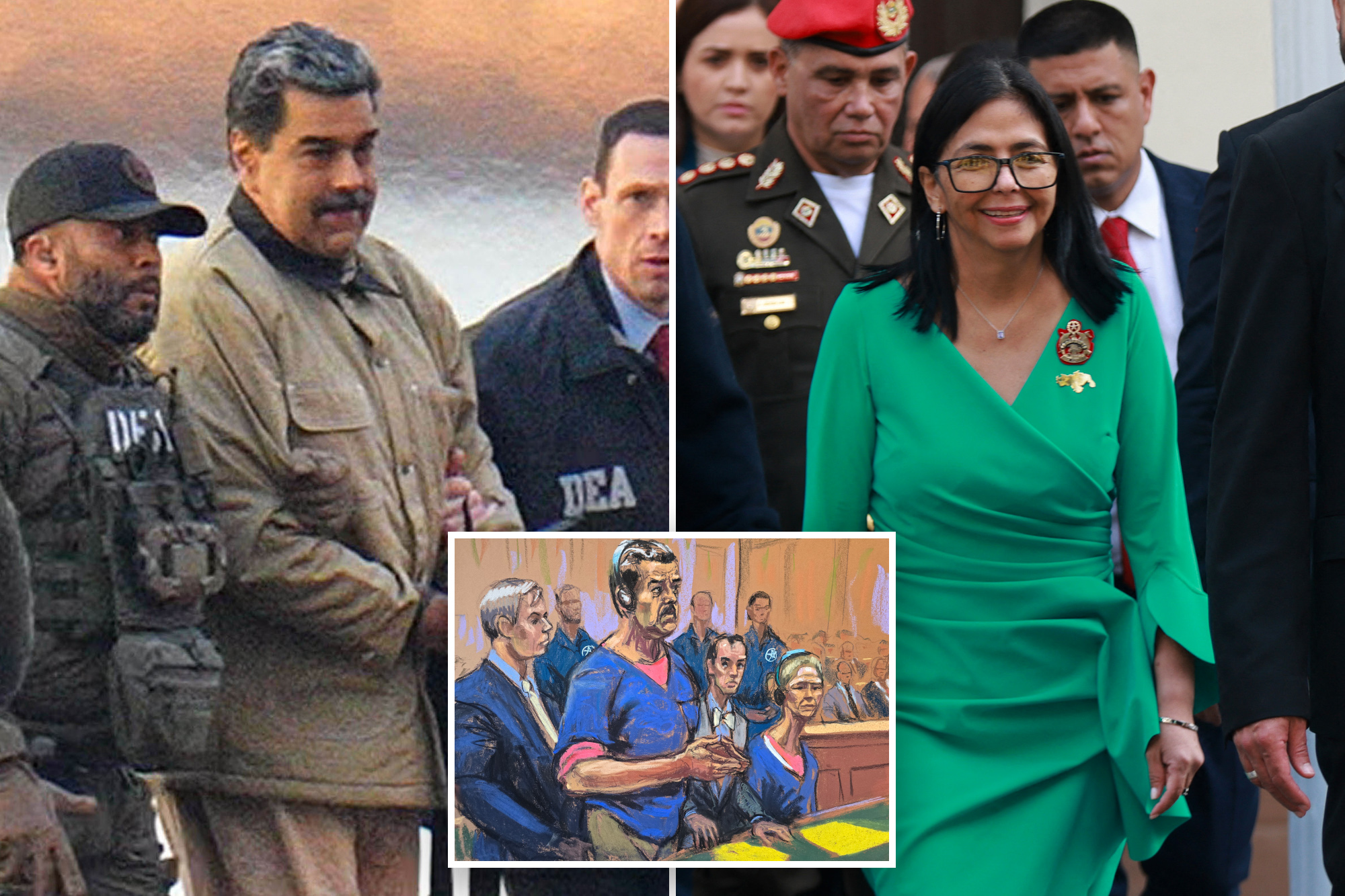
Venezuelan leader Nicolas Maduro is reportedly preparing to claim head-of-state immunity in an effort to evade prosecution in the United States. According to a source within the Justice Department, this legal maneuver comes as U.S. officials maintain that Maduro is not the legitimate leader of Venezuela.
During his initial court appearance on March 13, 2024, Maduro asserted that he is “still president” of Venezuela. Legal experts interpret this statement as a strategic move to establish a foundation for his future defense rather than a mere assertion of authority. The source indicated that Maduro may argue he is entitled to head-of-state immunity, either by asserting his continued legitimacy or by claiming that recognition of his vice president, Delcy Rodriguez, upholds his immunity under international law.
International legal principles typically protect sitting heads of state from prosecution by foreign courts. Maduro faces serious charges, including conspiracy to commit narcoterrorism, importation of cocaine, and possession of military-grade weapons. A key contention in his potential defense is whether the United States has officially recognized him as Venezuela’s rightful president, which, according to the Justice Department, it has not since March 2019.
The historical precedent of Manuel Noriega, the former Panamanian military leader, is noteworthy. After his capture by U.S. forces in 1989, Noriega attempted to invoke head-of-state immunity, a defense that ultimately failed. Federal prosecutor Richard Gregorie, who argued against Noriega’s immunity claims, expressed skepticism that Maduro would succeed with a similar argument.
“Who we recognize as the head of state is an executive decision,” Gregorie stated. “The U.S. has never recognized Maduro as head of state… he has always been a target of investigation.”
Legal experts point out that the indictment against Maduro explicitly characterizes him as the “de facto leader of Venezuela,” deliberately avoiding any references to his current status as president. Jason Marczak, vice president and senior director of the Atlantic Council’s Adrienne Arsht Latin America Center, noted that the indictment’s language was crafted to preclude any claims of head-of-state immunity.
Despite this, Maduro’s legal team may argue that U.S. interactions with Rodriguez imply acknowledgment of his regime. The upcoming legal proceedings could hinge on a significant technicality: whether the U.S. has tacitly recognized Maduro’s authority by engaging with Rodriguez, who has represented the regime in diplomatic matters.
Concerns within the Justice Department have escalated, with officials fearing that ambiguities in U.S. recognition could provide Maduro with grounds to delay or disrupt legal proceedings. The source suggested that the U.S. should clearly recognize an opposition figure to eliminate any possible argument for Maduro’s immunity based on ambiguity.
Rodriguez has served as a prominent international representative for Maduro’s administration, complicating the situation further. Nevertheless, Gregorie remained unconvinced that Rodriguez’s cooperation with Washington would lend weight to a defense based on head-of-state immunity. “If somebody decided to charge Donald Trump, would that necessarily implicate the vice president?” he queried.
Marczak echoed this sentiment, asserting that Rodriguez’s position as vice president does not equate to a legal presidential status. “Rodriguez was never on the ballot with Maduro,” he explained. “The U.S. has been careful in referring to her as the new leader without using the term ‘acting president.’”
As the legal battle unfolds, the responses from the Justice Department and Maduro’s attorney remain pending. The outcome could have significant implications for U.S.-Venezuelan relations and the broader international legal landscape concerning heads of state.

Urgent Swatting Incident Ties Up Emergency Resources in Alabama

Urgent Tax Alert: Claim Your Deductions Before April 15!

Scientists Investigate Cosmic Defects: Where Are They Now?

Spring Bocce Leagues Open Registration in Rapid City

CALV Offers Essential Communication Class for Real Estate Pros

Samsung Galaxy Watch 9 Set for Larger 435mAh Battery Upgrade

Healthy Choice Wellness Reports Earnings, Stock Sees Uptick

Prince Harry Claims to Be ‘Antidote to Andrew’ Amid Royal Crisis

Pet Owners Weigh Kibble Against Fresh Dog Food Options

ALMA Discovers Companion Orbiting Giant Star π 1 Gruis

U.S. Visa Rescheduling Hits H‐1B Applicants as New Vetting Rules Take Effect

University of Hawaiʻi Joins $25.6M AI Project for Disaster Monitoring

F-22 Raptor vs. Su-57 Felon: A 2025 Fighter Jet Comparison

Recent Divorce Judgments from Iberia Parish Court Records

Urgent: Flight Cancellations Loom at Texas Airports Amid Shutdown

Ohio State Study Uncovers Brain Connectivity and Function Links

Frank Dunn, Esteemed Builder and Community Leader, Passes Away at 89

Appian Recognizes 2025 Partner Award Winners for Enterprise Innovation
-
 Science9 months ago
ALMA Discovers Companion Orbiting Giant Star π 1 Gruis
-
 Politics8 months ago
U.S. Visa Rescheduling Hits H‐1B Applicants as New Vetting Rules Take Effect
-
Science10 months ago
University of Hawaiʻi Joins $25.6M AI Project for Disaster Monitoring
-
 World10 months ago
F-22 Raptor vs. Su-57 Felon: A 2025 Fighter Jet Comparison
-
 Politics9 months ago
Recent Divorce Judgments from Iberia Parish Court Records
-
 Top Stories10 months ago
Urgent: Flight Cancellations Loom at Texas Airports Amid Shutdown
-
 Science10 months ago
Ohio State Study Uncovers Brain Connectivity and Function Links
-
 Lifestyle10 months ago
Frank Dunn, Esteemed Builder and Community Leader, Passes Away at 89
-
 Business10 months ago
Appian Recognizes 2025 Partner Award Winners for Enterprise Innovation
-

 World10 months ago
Prince Andrew Faces Fallout from Scandals and Allegations
-

 Entertainment8 months ago
Malachi Barton Tops Google Searches as Disney’s Rising Star of 2025
-
 Top Stories9 months ago
Republican Matt Van Epps Wins Tennessee Special Election