
World
Iran’s IRGC Launches Missile Strikes on US Bases; Netanyahu Targeted

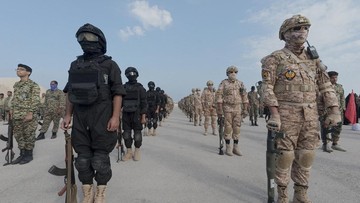
The Islamic Revolutionary Guard Corps (IRGC) of Iran has claimed responsibility for launching missile and drone strikes on three United States military bases located in the Middle East. This aggressive action underscores ongoing tensions between Iran and the U.S., with the IRGC specifically targeting what they describe as the “Zionist regime” led by Israeli Prime Minister Benjamin Netanyahu.
According to the IRGC, the strikes, which occurred on March 15, 2024, involved precision-guided missiles and unmanned aerial vehicles (UAVs). While the exact details of the damage inflicted on the U.S. bases remain unclear, Iranian officials have touted the operation as a significant achievement in their ongoing military efforts. This escalation in hostilities highlights the volatile situation in the region, marked by long-standing conflicts and rivalries.
Details of the Attack
The IRGC’s announcement included a statement asserting their commitment to pursuing Netanyahu as long as he remains in power. This declaration has drawn attention from international observers, who are concerned about the implications for regional stability. The U.S. military has yet to confirm the extent of the damage or any casualties resulting from the strikes.
Reports suggest that the targeted bases play a crucial role in U.S. military operations within the Middle East. These installations are often used for intelligence operations and logistical support, making them strategic targets for hostile entities. The IRGC’s ability to launch such strikes indicates a level of military capability that could alter the dynamics of U.S. involvement in the region.
International Reactions
The attacks have sparked a swift response from various governments. The U.S. State Department condemned the strikes and reiterated its commitment to protecting its personnel stationed abroad. Additionally, allies of the United States in the region have expressed concern about the potential for further escalation in hostilities.
In contrast, Iranian officials have framed the missile strikes as a demonstration of their military strength and resolve against perceived threats. This narrative resonates with segments of the Iranian population, who view the actions as a legitimate defense against foreign aggression.
As tensions continue to rise, geopolitical analysts warn of the risks associated with the ongoing cycle of retaliation. The situation remains fluid, with potential implications for broader international relations in the Middle East. The IRGC’s bold actions and statements could further complicate diplomatic efforts aimed at de-escalation, especially in light of existing sanctions and military presences from the U.S. and its allies.
The events surrounding the IRGC’s strikes serve as a reminder of the complex interplay of military power and political rhetoric in the region. As both sides prepare for possible further confrontations, the international community remains watchful for any signs of an escalation that could impact global stability.

Urgent Swatting Incident Ties Up Emergency Resources in Alabama

Urgent Tax Alert: Claim Your Deductions Before April 15!

Scientists Investigate Cosmic Defects: Where Are They Now?

Spring Bocce Leagues Open Registration in Rapid City

CALV Offers Essential Communication Class for Real Estate Pros

Samsung Galaxy Watch 9 Set for Larger 435mAh Battery Upgrade

Healthy Choice Wellness Reports Earnings, Stock Sees Uptick

Prince Harry Claims to Be ‘Antidote to Andrew’ Amid Royal Crisis

Pet Owners Weigh Kibble Against Fresh Dog Food Options

ALMA Discovers Companion Orbiting Giant Star π 1 Gruis

F-22 Raptor vs. Su-57 Felon: A 2025 Fighter Jet Comparison

University of Hawaiʻi Joins $25.6M AI Project for Disaster Monitoring

U.S. Visa Rescheduling Hits H‐1B Applicants as New Vetting Rules Take Effect

Ohio State Study Uncovers Brain Connectivity and Function Links

Innovator Captures Light at 2 Billion Frames Per Second

Hamas Chief Stresses Disarmament Tied to Occupation’s End

Megan Thee Stallion Exposes Alleged Online Attack by Bots

Paloma Elsesser Shines at LA Event with Iconic Slicked-Back Bun
-
 Science5 months ago
ALMA Discovers Companion Orbiting Giant Star π 1 Gruis
-
 World5 months ago
F-22 Raptor vs. Su-57 Felon: A 2025 Fighter Jet Comparison
-
Science5 months ago
University of Hawaiʻi Joins $25.6M AI Project for Disaster Monitoring
-
 Politics3 months ago
U.S. Visa Rescheduling Hits H‐1B Applicants as New Vetting Rules Take Effect
-
 Science5 months ago
Ohio State Study Uncovers Brain Connectivity and Function Links
-
 Science5 months ago
Innovator Captures Light at 2 Billion Frames Per Second
-
 Politics5 months ago
Hamas Chief Stresses Disarmament Tied to Occupation’s End
-
 Entertainment5 months ago
Megan Thee Stallion Exposes Alleged Online Attack by Bots
-
 Entertainment5 months ago
Paloma Elsesser Shines at LA Event with Iconic Slicked-Back Bun
-

 Science6 months ago
Researchers Challenge 200-Year-Old Physics Principle with Atomic Engines
-

 World5 months ago
FDA Unveils Plan to Cut Drug Prices and Boost Biosimilars
-

 Entertainment5 months ago
Beloved Artist and Community Leader Gloria Rosencrants Passes Away