
World
Iran Faces Escalating Protests Amid Diplomatic Maneuvers

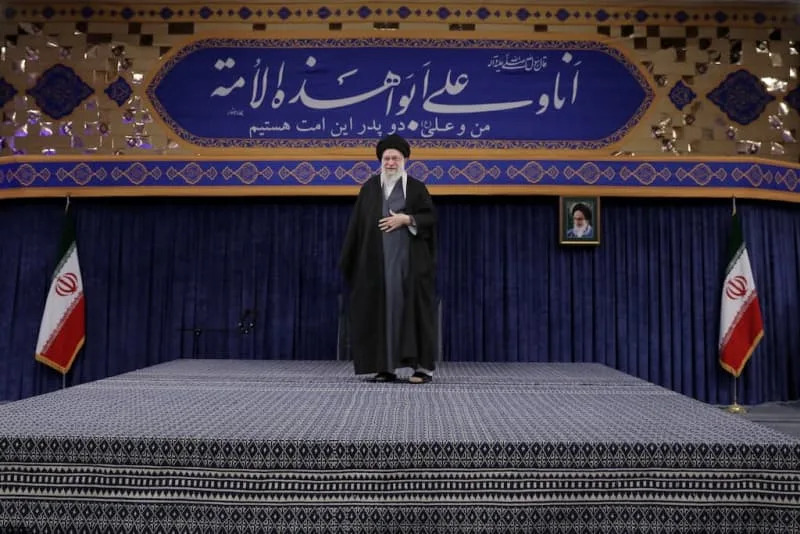
Protests in Iran have intensified over the past two weeks, with reports indicating that hundreds of demonstrators may have been killed. Despite this unrest, the Iranian government has opted to disengage from international assistance, attempting to project an image of stability. Authorities have implemented measures to suppress information, including shutting down the internet, to prevent the spread of news regarding the protests.
In a clear effort to maintain the facade of normalcy, Iran’s Foreign Minister, Abbas Araghchi, visited Lebanon to meet with officials, including Lebanese President Joseph Aoun. During discussions, Aoun emphasized the importance of “non-interference” and expressed Lebanon’s willingness to strengthen economic ties with Iran. Araghchi responded by asserting that Iran supports Lebanon’s independence and sovereignty, framing the visit as part of efforts to enhance bilateral relations.
Regional Tensions and Diplomatic Efforts
The Iranian regime has faced criticism regarding its involvement in Lebanon, particularly concerning its support for Hezbollah. Over the last year, relations between Iran and Lebanon have been strained, with Lebanese Foreign Minister Youssef Raggi openly criticizing Iran’s role in the region. While Iran previously held significant influence in Lebanon through Hezbollah, recent developments have allowed for greater Israeli activity in the area, complicating Iran’s position.
In another diplomatic engagement, Araghchi met with Sayyid Badr bin Hamad bin Hamood Al Busaidi, Oman’s Foreign Minister, in Tehran. During this meeting, he cautioned against foreign interference in Iran’s internal matters, particularly referencing the United States. The Iranian diplomat emphasized that sovereign nations should resolve their internal issues independently and called for an end to external meddling.
Araghchi condemned what he described as Israeli efforts to exacerbate regional conflicts, claiming they are designed to fragment countries in the Middle East. This rhetoric reflects Iran’s ongoing strategy to position itself favorably in the eyes of its allies while navigating internal turmoil.
Domestic Response and External Concerns
Internally, Iran’s Parliament Speaker, Mohammad Baqer Qalibaf, has voiced strong opposition to the protests, framing them as part of a “fabricated terrorist war.” He warned that any external aggression against Iran would put US bases and occupied territories within Iran’s military reach. This statement highlights the regime’s determination to confront both internal dissent and perceived external threats.
The protests have drawn attention beyond Iran’s borders, particularly in Turkey, where there are concerns that a change in the Iranian regime could inspire similar actions among its citizens. Turkish media outlets have generally supported the Iranian government’s narrative, reflecting the complex regional dynamics at play.
Reports indicate that at least six security personnel have died during the protests, with numerous demonstrators detained. Iranian media, including Press TV, reported that around 200 protest leaders have been arrested as the government seeks to quell unrest. Iranian President Masoud Pezeshkian asserted that external forces are attempting to incite chaos and instability, while vowing to address the underlying economic issues that have fueled discontent.
As the situation in Iran continues to develop, the regime’s efforts to maintain diplomatic relations abroad while suppressing domestic dissent will be closely watched by observers both regionally and internationally. The outcomes of these protests could have significant implications not only for Iran but also for its neighbors and global stability.

Urgent Swatting Incident Ties Up Emergency Resources in Alabama

Urgent Tax Alert: Claim Your Deductions Before April 15!

Scientists Investigate Cosmic Defects: Where Are They Now?

Spring Bocce Leagues Open Registration in Rapid City

CALV Offers Essential Communication Class for Real Estate Pros

Samsung Galaxy Watch 9 Set for Larger 435mAh Battery Upgrade

Healthy Choice Wellness Reports Earnings, Stock Sees Uptick

Prince Harry Claims to Be ‘Antidote to Andrew’ Amid Royal Crisis

Pet Owners Weigh Kibble Against Fresh Dog Food Options

ALMA Discovers Companion Orbiting Giant Star π 1 Gruis

U.S. Visa Rescheduling Hits H‐1B Applicants as New Vetting Rules Take Effect

University of Hawaiʻi Joins $25.6M AI Project for Disaster Monitoring

F-22 Raptor vs. Su-57 Felon: A 2025 Fighter Jet Comparison

Ohio State Study Uncovers Brain Connectivity and Function Links

Recent Divorce Judgments from Iberia Parish Court Records

Prince Andrew Faces Fallout from Scandals and Allegations

Urgent: Flight Cancellations Loom at Texas Airports Amid Shutdown

Frank Dunn, Esteemed Builder and Community Leader, Passes Away at 89
-
 Science8 months ago
ALMA Discovers Companion Orbiting Giant Star π 1 Gruis
-
 Politics6 months ago
U.S. Visa Rescheduling Hits H‐1B Applicants as New Vetting Rules Take Effect
-
Science8 months ago
University of Hawaiʻi Joins $25.6M AI Project for Disaster Monitoring
-
 World8 months ago
F-22 Raptor vs. Su-57 Felon: A 2025 Fighter Jet Comparison
-
 Science8 months ago
Ohio State Study Uncovers Brain Connectivity and Function Links
-
 Politics8 months ago
Recent Divorce Judgments from Iberia Parish Court Records
-
 World8 months ago
Prince Andrew Faces Fallout from Scandals and Allegations
-
 Top Stories8 months ago
Urgent: Flight Cancellations Loom at Texas Airports Amid Shutdown
-
 Lifestyle8 months ago
Frank Dunn, Esteemed Builder and Community Leader, Passes Away at 89
-

 Business8 months ago
Appian Recognizes 2025 Partner Award Winners for Enterprise Innovation
-

 Entertainment6 months ago
Malachi Barton Tops Google Searches as Disney’s Rising Star of 2025
-

 Science9 months ago
Innovator Captures Light at 2 Billion Frames Per Second