
World
Federal Court Blocks Texas Congressional Map for 2026 Elections

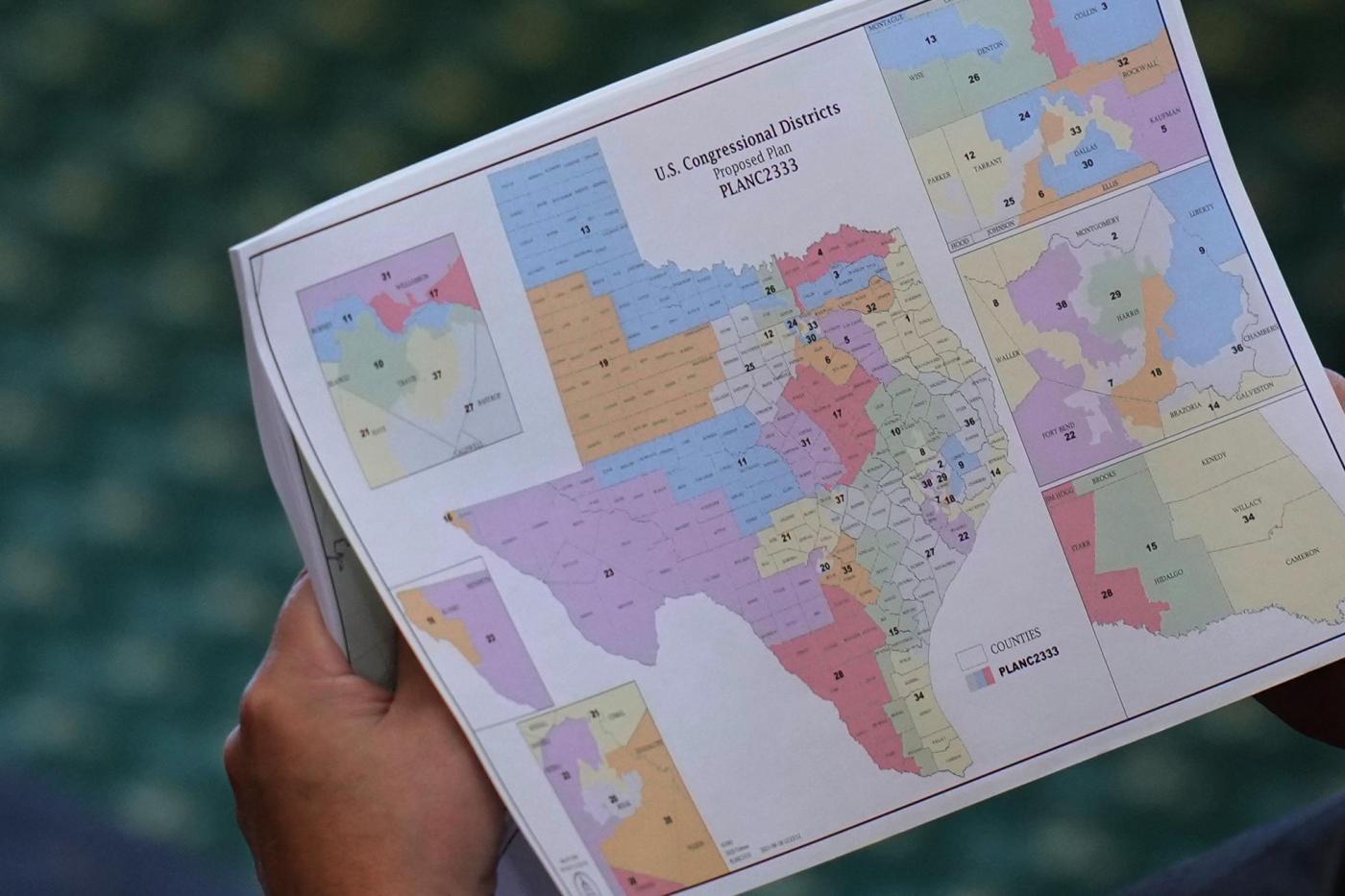
A federal court has issued a ruling that prevents Texas from implementing its newly drawn congressional map in the upcoming 2026 midterm elections. In a decisive 2-1 ruling, U.S. District Judge Jeffrey Brown, appointed by former President Donald Trump, mandated that Texas must revert to the congressional maps used by the Texas Legislature in 2021.
Judge Brown highlighted that the new map, referred to as the 2025 Map, failed to meet various racial objectives outlined by the Department of Justice (DOJ). He stated, “The map ultimately passed by the Legislature and signed by the governor — the 2025 Map — achieved all but one of the racial objectives that DOJ demanded.” The ruling emphasizes that the Texas Legislature not only altered districts identified by the DOJ but also changed several other “coalition districts” across the state, which were essential for minority representation.
The controversy surrounding the map intensified after its approval in August 2025. The newly drawn districts were anticipated to provide Republicans with an advantage, potentially adding five more seats to the party’s representation in Congress. This drew scrutiny from the DOJ, which had previously warned Texas of potential legal action if it did not amend the districts to comply with the Voting Rights Act.
The ruling reflects concerns regarding the integrity of the redistricting process. “The public perception of this case is that it’s about politics,” Judge Brown noted. “To be sure, politics played a role in drawing the 2025 Map. But it was much more than just politics. Substantial evidence shows that Texas racially gerrymandered the 2025 Map.”
In response to the new map, the National Association for the Advancement of Colored People (NAACP) filed a lawsuit shortly after its approval, alleging that the changes were driven by racial motivations, aimed at diminishing the influence of Black communities ahead of the elections.
The political ramifications of this ruling extend beyond Texas. The approval of the new map had sparked a wave of redistricting efforts in various states, with Democrats in California swiftly drafting a counter-map aimed at flipping five Republican-held seats. This has led to legal challenges, including a lawsuit from the DOJ against California’s new congressional lines.
If Texas decides to appeal the ruling, the case would advance directly to the U.S. Supreme Court. As the landscape for the 2026 elections continues to evolve, the implications of this decision are likely to resonate throughout the political spectrum, influencing strategies for both parties as they prepare for the upcoming midterms.
This ruling marks a significant moment in the ongoing debate over redistricting practices and their impact on voting rights, particularly in states with diverse populations. The future of Texas’s congressional representation now hangs in the balance as lawmakers navigate the complexities of electoral mapping.

Urgent Swatting Incident Ties Up Emergency Resources in Alabama

Urgent Tax Alert: Claim Your Deductions Before April 15!

Scientists Investigate Cosmic Defects: Where Are They Now?

Spring Bocce Leagues Open Registration in Rapid City

CALV Offers Essential Communication Class for Real Estate Pros

Samsung Galaxy Watch 9 Set for Larger 435mAh Battery Upgrade

Healthy Choice Wellness Reports Earnings, Stock Sees Uptick

Prince Harry Claims to Be ‘Antidote to Andrew’ Amid Royal Crisis

Pet Owners Weigh Kibble Against Fresh Dog Food Options

ALMA Discovers Companion Orbiting Giant Star π 1 Gruis

U.S. Visa Rescheduling Hits H‐1B Applicants as New Vetting Rules Take Effect

University of Hawaiʻi Joins $25.6M AI Project for Disaster Monitoring

F-22 Raptor vs. Su-57 Felon: A 2025 Fighter Jet Comparison

Recent Divorce Judgments from Iberia Parish Court Records

Urgent: Flight Cancellations Loom at Texas Airports Amid Shutdown

Ohio State Study Uncovers Brain Connectivity and Function Links

Frank Dunn, Esteemed Builder and Community Leader, Passes Away at 89

Appian Recognizes 2025 Partner Award Winners for Enterprise Innovation
-
 Science9 months ago
ALMA Discovers Companion Orbiting Giant Star π 1 Gruis
-
 Politics8 months ago
U.S. Visa Rescheduling Hits H‐1B Applicants as New Vetting Rules Take Effect
-
Science10 months ago
University of Hawaiʻi Joins $25.6M AI Project for Disaster Monitoring
-
 World10 months ago
F-22 Raptor vs. Su-57 Felon: A 2025 Fighter Jet Comparison
-
 Politics9 months ago
Recent Divorce Judgments from Iberia Parish Court Records
-
 Top Stories10 months ago
Urgent: Flight Cancellations Loom at Texas Airports Amid Shutdown
-
 Science10 months ago
Ohio State Study Uncovers Brain Connectivity and Function Links
-
 Lifestyle10 months ago
Frank Dunn, Esteemed Builder and Community Leader, Passes Away at 89
-
 Business10 months ago
Appian Recognizes 2025 Partner Award Winners for Enterprise Innovation
-

 World10 months ago
Prince Andrew Faces Fallout from Scandals and Allegations
-

 Entertainment8 months ago
Malachi Barton Tops Google Searches as Disney’s Rising Star of 2025
-

 Top Stories9 months ago
Republican Matt Van Epps Wins Tennessee Special Election