
World
Data Centers Transforming West Virginia: A Modern Extraction Crisis

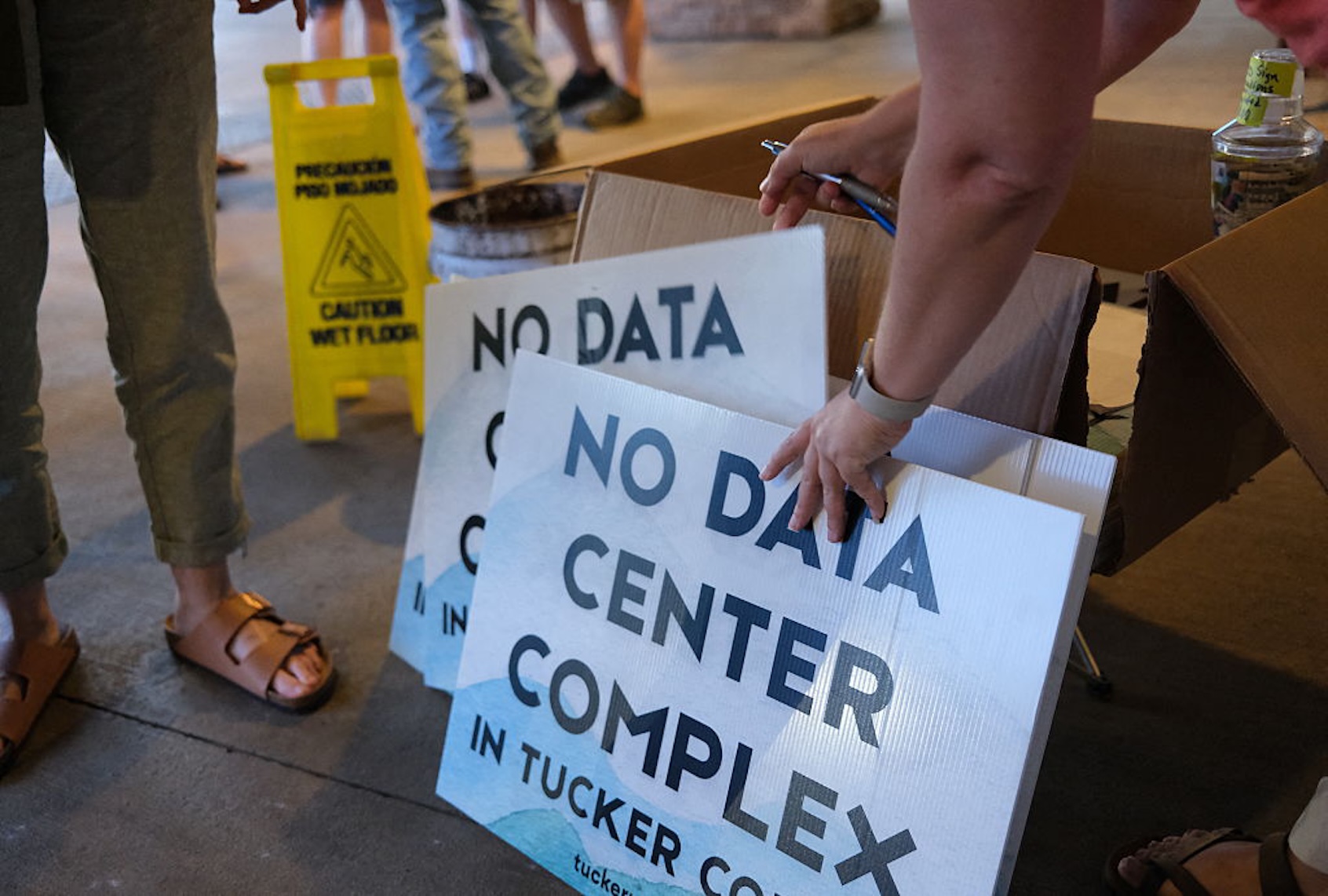
The rise of data centers in West Virginia signifies a shift in the state’s economic landscape, reminiscent of the coal mining era. These facilities, which include bitcoin mines, are reshaping rural communities while often operating in the shadows of regulatory loopholes. As a result, local resources are being drained, and the long-term consequences may not be fully realized until residents see the impact on their bills and environmental quality.
West Virginia is experiencing a data center boom that mirrors the extraction practices of coal mining. According to the National Conference of State Legislatures, 37 states have adjusted tax codes and regulatory structures to attract data centers, resulting in billions of dollars in tax exemptions annually. In West Virginia, the effects of this trend are particularly pronounced.
The situation raises concerns reminiscent of past industrial practices. Data centers may not be as visible as coal operations, but they are nonetheless extracting valuable resources from the state. For instance, Blockchain Power Corp. has positioned itself as a pioneer in this field, establishing multiple bitcoin mines in former coal sites across West Virginia. These facilities consume a staggering 107 megawatts of power, yet they employ only 44 people. This stark contrast highlights the limited job opportunities associated with this new industry.
Regulatory Environment and Community Impact
The current regulatory environment has shifted significantly in favor of data center projects. With the passage of the new Power Generation and Consumption Act in April 2023, signed by Republican Governor Patrick Morrisey, West Virginia has streamlined the process for these developments. The legislation has introduced incentives for companies while stripping local governments of critical zoning and land-use authority.
Residents in areas like Tucker County are expressing concern over the implications of a proposed off-grid gas plant intended to power a private data complex. Questions regarding water sources, noise levels, and the potential environmental impact are met with inadequate responses. Local communities are left in the dark, often receiving permits with substantial redactions that obscure crucial details.
Similar developments are underway in counties such as Mingo, Jefferson, and Berkeley, where plans for additional data centers are being fast-tracked. The water consumption of these facilities can reach several million gallons daily, equivalent to the needs of a town with 10,000 to 50,000 people. This has led to conflicts in other regions, where residents are already grappling with declining water levels and rising temperatures in local rivers.
Historical Parallels and Future Concerns
The history of resource extraction in West Virginia informs current perceptions of the data center industry. The promises of job creation and economic revitalization echo the past, but the reality often falls short. While coal mining provided hundreds of jobs to local communities, the current data center model yields minimal employment and significant resource depletion.
The experience of coal country serves as a cautionary tale for residents. They remember the cycle of promises followed by environmental degradation and economic hardship. As data centers extract cheap power and water, the long-term viability of these projects remains uncertain. The industries they support, such as cryptocurrency and cloud computing, are volatile, and the potential for sudden economic downturns poses a risk to local communities.
West Virginians have witnessed the fallout from previous industrial booms, including school closures, road damage, and environmental contamination. The lack of transparency surrounding current developments raises questions about the sustainability of this new economic model. Residents find themselves in a precarious position, having to choose between enduring economic hardship or compromising their resources for transient job numbers.
As the state continues to promote its openness to business, communities are left grappling with the implications of these decisions. The historical context of extraction industries informs the skepticism surrounding data centers, as West Virginians remain wary of repeating the mistakes of the past. The challenge now lies in balancing economic growth with the protection of local resources and the well-being of communities.

Urgent Swatting Incident Ties Up Emergency Resources in Alabama

Urgent Tax Alert: Claim Your Deductions Before April 15!

Scientists Investigate Cosmic Defects: Where Are They Now?

Spring Bocce Leagues Open Registration in Rapid City

CALV Offers Essential Communication Class for Real Estate Pros

Samsung Galaxy Watch 9 Set for Larger 435mAh Battery Upgrade

Healthy Choice Wellness Reports Earnings, Stock Sees Uptick

Prince Harry Claims to Be ‘Antidote to Andrew’ Amid Royal Crisis

Pet Owners Weigh Kibble Against Fresh Dog Food Options

ALMA Discovers Companion Orbiting Giant Star π 1 Gruis

U.S. Visa Rescheduling Hits H‐1B Applicants as New Vetting Rules Take Effect

University of Hawaiʻi Joins $25.6M AI Project for Disaster Monitoring

F-22 Raptor vs. Su-57 Felon: A 2025 Fighter Jet Comparison

Recent Divorce Judgments from Iberia Parish Court Records

Ohio State Study Uncovers Brain Connectivity and Function Links

Prince Andrew Faces Fallout from Scandals and Allegations

Urgent: Flight Cancellations Loom at Texas Airports Amid Shutdown

Frank Dunn, Esteemed Builder and Community Leader, Passes Away at 89
-
 Science8 months ago
ALMA Discovers Companion Orbiting Giant Star π 1 Gruis
-
 Politics6 months ago
U.S. Visa Rescheduling Hits H‐1B Applicants as New Vetting Rules Take Effect
-
Science8 months ago
University of Hawaiʻi Joins $25.6M AI Project for Disaster Monitoring
-
 World8 months ago
F-22 Raptor vs. Su-57 Felon: A 2025 Fighter Jet Comparison
-
 Politics8 months ago
Recent Divorce Judgments from Iberia Parish Court Records
-
 Science9 months ago
Ohio State Study Uncovers Brain Connectivity and Function Links
-
 World8 months ago
Prince Andrew Faces Fallout from Scandals and Allegations
-
 Top Stories8 months ago
Urgent: Flight Cancellations Loom at Texas Airports Amid Shutdown
-
 Lifestyle8 months ago
Frank Dunn, Esteemed Builder and Community Leader, Passes Away at 89
-

 Business8 months ago
Appian Recognizes 2025 Partner Award Winners for Enterprise Innovation
-

 Entertainment7 months ago
Malachi Barton Tops Google Searches as Disney’s Rising Star of 2025
-

 Top Stories7 months ago
Republican Matt Van Epps Wins Tennessee Special Election