
World
Court Documents Unveil Instagram’s Insights on Teen Safety Risks

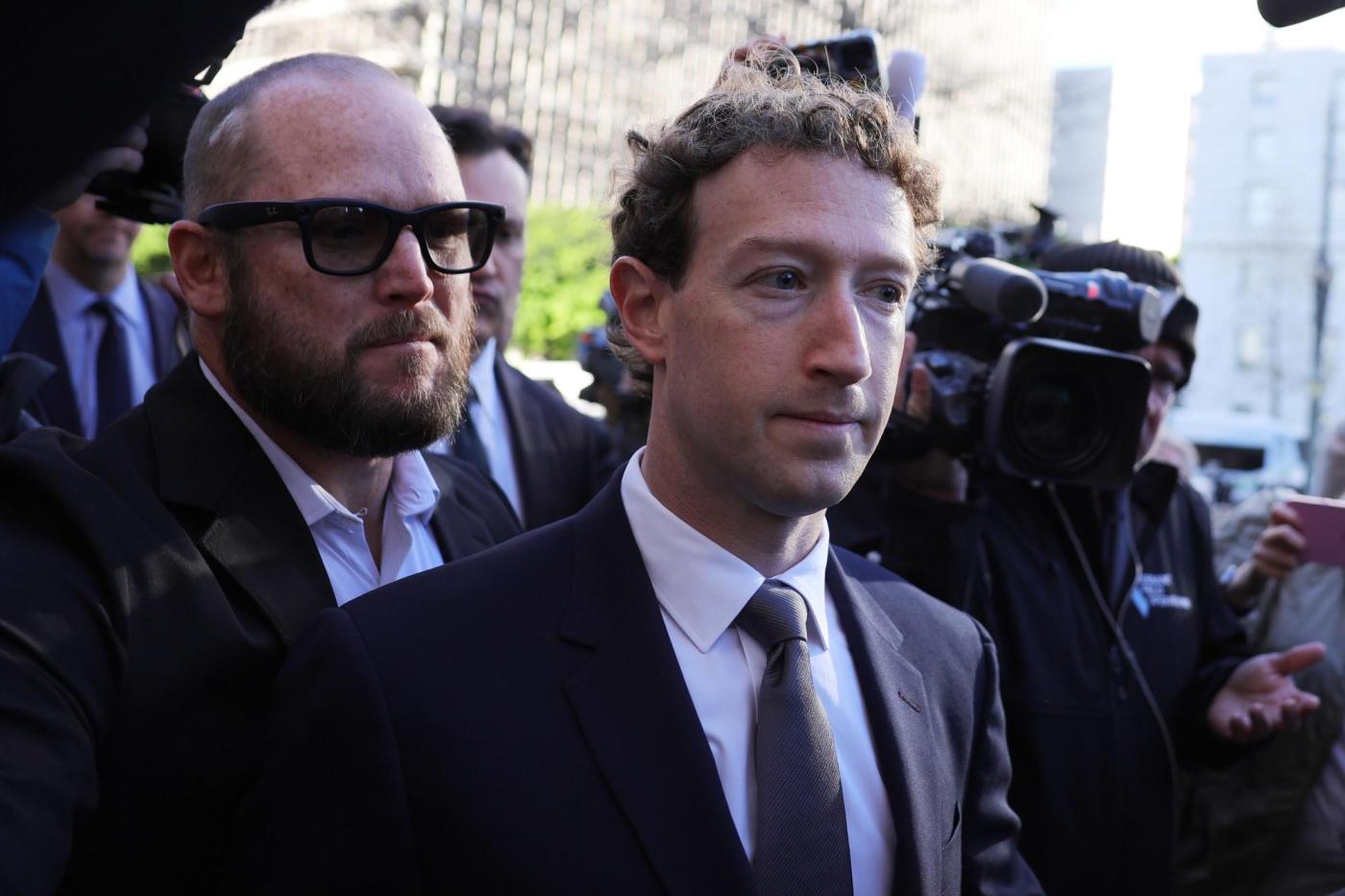
Newly unsealed court documents have raised significant concerns regarding Instagram’s awareness of harmful content on its platform, particularly as it pertains to adolescent users exposed to posts related to suicide and eating disorders. This revelation comes amidst a high-profile case known as the “Social Media Adolescent Addiction/Personal Injury Products Liability Litigation,” which involves several major technology companies.
The recently made public filings provide a rare glimpse into internal communications at Meta, Instagram’s parent company. A 56-page opposition brief filed in the case highlights a troubling disconnect between Instagram’s public safety assurances and its internal assessments regarding harmful content.
Internal data indicates that Instagram has recorded hundreds of thousands of mentions of suicide, demonstrating that certain types of harmful content disproportionately target teenagers. One internal PowerPoint presentation cited in the filings reveals that Instagram employees acknowledged, “Teens’ behavior on IG suggests a need for more support. We know that SSI (suicidal ideation) and ED (eating disorders) have a significantly disproportionate large teen audience.”
Moreover, the documents indicate that parents have voiced concerns to the company, urging for stronger tools to prevent harmful content from reaching young users. The filing suggests that competitors such as TikTok are perceived as providing better safety features.
Internal Concerns and Public Relations
The filings also expose internal discussions among Instagram employees about the potential repercussions of media scrutiny concerning harmful content on the platform. An internal message referenced in court records notes that employees were aware of the problem after a September 2020 inquiry from a reporter at The Telegraph. One comment from that discussion reflects a clear concern: “On search we’re exposed with nowhere to hide.”
Additionally, discussions included whether restricting specific content in search results could conflict with other priorities, such as enhancing search functionality or shopping features.
Ongoing Trial in Los Angeles
These revelations emerge as the landmark civil trial progresses in Los Angeles, where social media companies face allegations that their platforms have been designed to be addictive to children and teenagers. The case centers on claims made by a 20-year-old named Kaley and her mother. They argue that the design of various social media platforms has contributed to serious mental health issues, including an eating disorder, anxiety, and depression.
The companies involved in the broader litigation include Meta (which owns Instagram and Facebook), YouTube, and TikTok. While Snap and TikTok have settled some claims out of court, Meta and YouTube continue to dispute the allegations.
Executives from these major tech companies have been called to testify. Meta CEO Mark Zuckerberg and Instagram head Adam Mosseri have defended their efforts to enhance teen safety on their platforms. During testimony, Mosseri acknowledged that excessive social media use could be detrimental for adolescents, noting that scrolling for up to 16 hours a day could be “problematic,” but he contended that it should not necessarily be classified as “clinically addictive.”
Meta and other tech companies argue that current scientific research has yet to conclusively demonstrate that social media causes addiction or mental health disorders. Critics, however, maintain that the design of these platforms can exacerbate harmful behaviors.
The outcomes of this trial could significantly influence regulatory measures concerning social media platforms and their interactions with younger users. Some companies have already initiated new safety protocols, including age-based content filtering systems similar to those used in movie ratings, to better protect minors from harmful material.
As the court proceedings continue, a central question remains: Did social media companies fail to rectify harmful algorithms, or did they consciously choose not to?

Urgent Swatting Incident Ties Up Emergency Resources in Alabama

Urgent Tax Alert: Claim Your Deductions Before April 15!

Scientists Investigate Cosmic Defects: Where Are They Now?

Spring Bocce Leagues Open Registration in Rapid City

CALV Offers Essential Communication Class for Real Estate Pros

Samsung Galaxy Watch 9 Set for Larger 435mAh Battery Upgrade

Healthy Choice Wellness Reports Earnings, Stock Sees Uptick

Prince Harry Claims to Be ‘Antidote to Andrew’ Amid Royal Crisis

Pet Owners Weigh Kibble Against Fresh Dog Food Options

ALMA Discovers Companion Orbiting Giant Star π 1 Gruis

U.S. Visa Rescheduling Hits H‐1B Applicants as New Vetting Rules Take Effect

University of Hawaiʻi Joins $25.6M AI Project for Disaster Monitoring

F-22 Raptor vs. Su-57 Felon: A 2025 Fighter Jet Comparison

Recent Divorce Judgments from Iberia Parish Court Records

Urgent: Flight Cancellations Loom at Texas Airports Amid Shutdown

Ohio State Study Uncovers Brain Connectivity and Function Links

Frank Dunn, Esteemed Builder and Community Leader, Passes Away at 89

Appian Recognizes 2025 Partner Award Winners for Enterprise Innovation
-
 Science9 months ago
ALMA Discovers Companion Orbiting Giant Star π 1 Gruis
-
 Politics7 months ago
U.S. Visa Rescheduling Hits H‐1B Applicants as New Vetting Rules Take Effect
-
Science10 months ago
University of Hawaiʻi Joins $25.6M AI Project for Disaster Monitoring
-
 World10 months ago
F-22 Raptor vs. Su-57 Felon: A 2025 Fighter Jet Comparison
-
 Politics9 months ago
Recent Divorce Judgments from Iberia Parish Court Records
-
 Top Stories10 months ago
Urgent: Flight Cancellations Loom at Texas Airports Amid Shutdown
-
 Science10 months ago
Ohio State Study Uncovers Brain Connectivity and Function Links
-
 Lifestyle10 months ago
Frank Dunn, Esteemed Builder and Community Leader, Passes Away at 89
-
 Business9 months ago
Appian Recognizes 2025 Partner Award Winners for Enterprise Innovation
-

 World10 months ago
Prince Andrew Faces Fallout from Scandals and Allegations
-

 Entertainment8 months ago
Malachi Barton Tops Google Searches as Disney’s Rising Star of 2025
-

 Top Stories9 months ago
Republican Matt Van Epps Wins Tennessee Special Election