
World
Activists Challenge Pro-ICE Churches Amid Rising Tensions

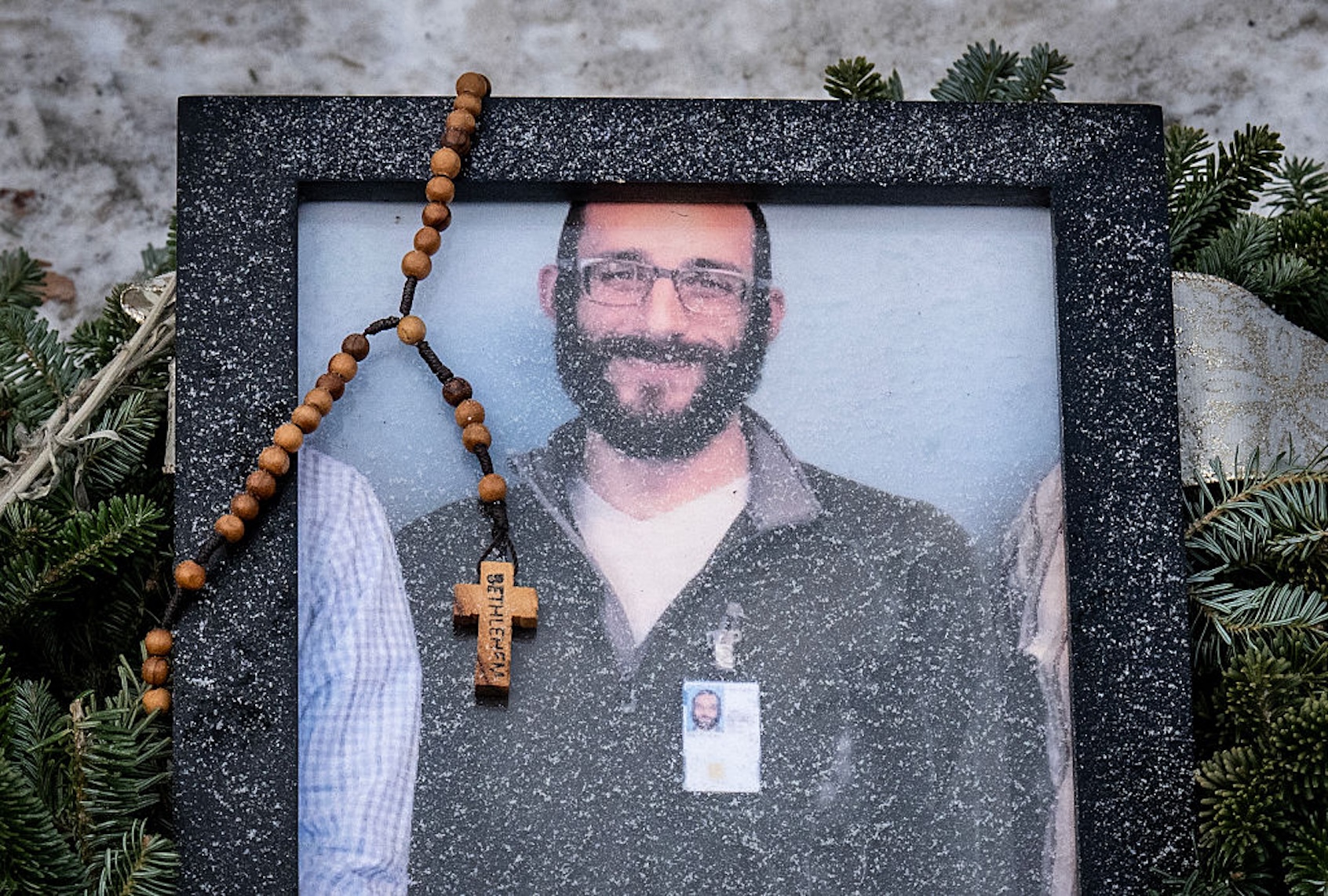
A recent protest at the Cities Church in St. Paul, Minnesota, sparked significant controversy when anti-racism activists interrupted a service to challenge the church’s support for the Immigration and Customs Enforcement (ICE). The demonstration on January 18, 2024, aimed to draw attention to the church’s ties with ICE, particularly its pastor, David Easterwood, who serves as a field director for the agency.
The protest was prompted by a series of incidents linked to ICE, including the shooting death of Renee Nicole Good and allegations of excessive force used against families, including a baby exposed to tear gas. Witnesses reported a disturbing video showing Alex Jeffrey Pretti, a nurse, being pepper-sprayed and shot by Border Patrol agents while assisting a woman. Such events have fueled concerns over the conduct of ICE in Minnesota and the broader implications for immigrant communities.
Activists expressed their grievances during the service, condemning the church’s association with an agency they accuse of perpetuating violence and fear within minority communities. This disruption led to the arrest of three non-violent protesters, which Pam Bondi, a former attorney general, defended by stating, “We will protect Americans of faith.” In contrast, Kristi Noem, Secretary of Homeland Security, described the peaceful protest as “Church Riots,” suggesting that the activists impeded worship.
Pastor Jonathan Parnell responded to the incident by claiming that the protesters intimidated vulnerable members of the congregation. He characterized the demonstration as an attack on religious freedom. Critics argue that this perspective misinterprets the essence of religious freedom, which includes the right to critique church teachings that impact the wider community.
Concerns Over Church’s Ideology
The protest at Cities Church is part of a larger debate regarding the church’s theological stance. Some observers, including former fundamentalist Rick Pidcock, have criticized the church for promoting patriarchal views, asserting that its leadership fosters a culture of sexism and racism. Pidcock highlighted the church’s connection to a network of far-right religious organizations that advocate for extreme gender roles.
Among the church’s leadership is Joe Rigney, who has gained media attention for controversial statements, including denouncing empathy as a sin, and arguing that it fosters feminist ideologies. His views, alongside those of other church leaders, have raised alarms about the church’s influence in shaping harmful narratives that affect broader societal attitudes toward race and gender.
As noted by Tim Whitaker, a former Christian nationalist, Cities Church’s ties to ICE and its endorsement of aggressive immigration policies raise ethical questions. He stated, “This church should be disrupted. As far as I’m concerned, Jesus would’ve been right with those protesters.” His remarks reflect a sentiment among some that churches endorsing harmful practices must be held accountable.
Implications for Religious Freedom
The protest has ignited a broader conversation about the meaning of religious freedom in the United States. While some argue that it protects the right to worship without interference, others assert that it should not shield institutions from scrutiny, especially when their actions contribute to societal harm. Nekima Levy Armstrong, an ordained minister and civil rights activist, emphasized the need for accountability. “How can you serve as a pastor of the gospel of Jesus Christ while overseeing the brutal conduct of ICE agents?” she questioned, highlighting the conflict between faith and the agency’s actions.
The backlash from church officials and their supporters appears to reflect a fear of losing the narrative around religious freedom. Critics argue that rather than fostering dialogue, the response to the protests has been defensive, as seen in the rhetoric from church leaders who characterize dissent as an attack on faith.
In a climate where ICE’s actions have drawn widespread condemnation and public outcry, the disruption at Cities Church serves as a flashpoint for discussions on morality, justice, and the role of faith-based organizations in societal issues. As communities grapple with the complexities of immigration policy and human rights, the intersection of faith and activism will likely continue to generate heated debate and reflection on the true spirit of religious teachings.

Urgent Swatting Incident Ties Up Emergency Resources in Alabama

Urgent Tax Alert: Claim Your Deductions Before April 15!

Scientists Investigate Cosmic Defects: Where Are They Now?

Spring Bocce Leagues Open Registration in Rapid City

CALV Offers Essential Communication Class for Real Estate Pros

Samsung Galaxy Watch 9 Set for Larger 435mAh Battery Upgrade

Healthy Choice Wellness Reports Earnings, Stock Sees Uptick

Prince Harry Claims to Be ‘Antidote to Andrew’ Amid Royal Crisis

Pet Owners Weigh Kibble Against Fresh Dog Food Options

ALMA Discovers Companion Orbiting Giant Star π 1 Gruis

U.S. Visa Rescheduling Hits H‐1B Applicants as New Vetting Rules Take Effect

University of Hawaiʻi Joins $25.6M AI Project for Disaster Monitoring

F-22 Raptor vs. Su-57 Felon: A 2025 Fighter Jet Comparison

Recent Divorce Judgments from Iberia Parish Court Records

Urgent: Flight Cancellations Loom at Texas Airports Amid Shutdown

Ohio State Study Uncovers Brain Connectivity and Function Links

Frank Dunn, Esteemed Builder and Community Leader, Passes Away at 89

Appian Recognizes 2025 Partner Award Winners for Enterprise Innovation
-
 Science9 months ago
ALMA Discovers Companion Orbiting Giant Star π 1 Gruis
-
 Politics7 months ago
U.S. Visa Rescheduling Hits H‐1B Applicants as New Vetting Rules Take Effect
-
Science10 months ago
University of Hawaiʻi Joins $25.6M AI Project for Disaster Monitoring
-
 World10 months ago
F-22 Raptor vs. Su-57 Felon: A 2025 Fighter Jet Comparison
-
 Politics9 months ago
Recent Divorce Judgments from Iberia Parish Court Records
-
 Top Stories10 months ago
Urgent: Flight Cancellations Loom at Texas Airports Amid Shutdown
-
 Science10 months ago
Ohio State Study Uncovers Brain Connectivity and Function Links
-
 Lifestyle10 months ago
Frank Dunn, Esteemed Builder and Community Leader, Passes Away at 89
-
 Business9 months ago
Appian Recognizes 2025 Partner Award Winners for Enterprise Innovation
-

 World10 months ago
Prince Andrew Faces Fallout from Scandals and Allegations
-

 Entertainment8 months ago
Malachi Barton Tops Google Searches as Disney’s Rising Star of 2025
-

 Top Stories9 months ago
Republican Matt Van Epps Wins Tennessee Special Election