
Top Stories
Trump Declares Heavenly Intentions, Sparks Debate on Faith

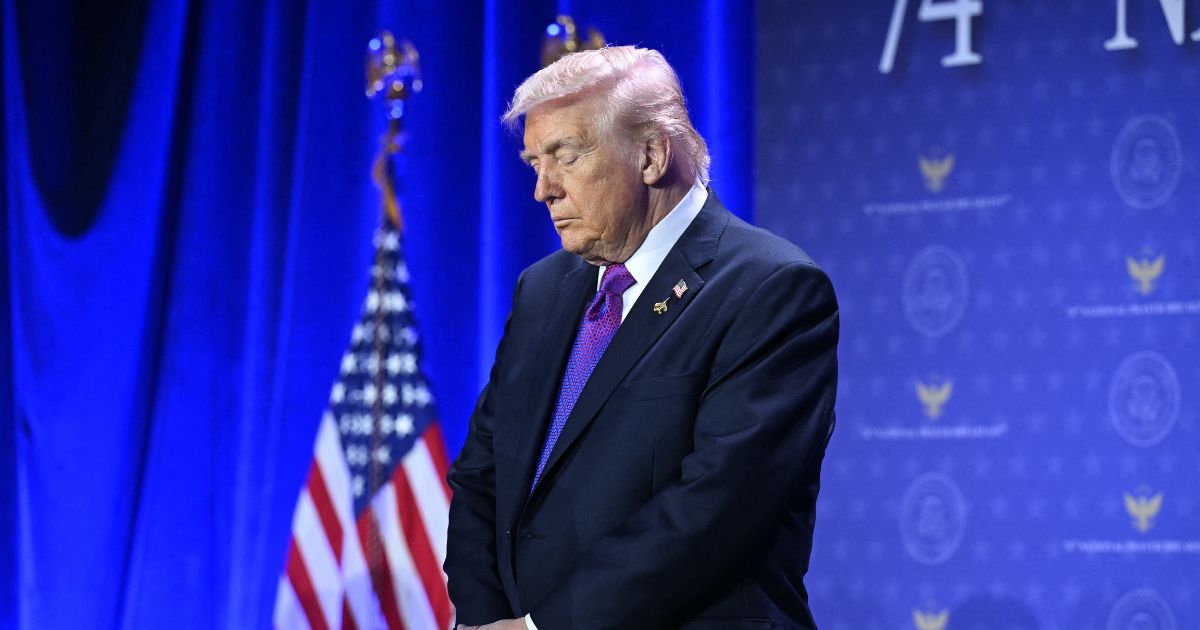
UPDATE: In a striking revelation, former President Donald Trump has openly discussed his motivations for ending the war in Ukraine, linking his actions to the afterlife. During a phone interview with Fox News’ Fox & Friends, Trump suggested that reducing the war’s devastating toll of 7,000 deaths per week might improve his standing in the eyes of heaven.
This urgent declaration has ignited a wave of reactions, with critics questioning the implications of such beliefs on presidential decision-making. Trump acknowledged his comments were playful, but during the recent Congressional Prayer Breakfast, he maintained that he “probably should make it” to heaven, citing his efforts to do good.
The implications of Trump’s statements are profound. They suggest a shift in how leaders may approach governance—prioritizing morality over mere political expediency. Critics have expressed concern about Trump’s faith-based motivations, with one commentator asking, “Did Michael the Archangel somehow get Mr. Trump’s cellphone number?”
While Trump’s administration has faced scrutiny, his assertions reflect a stark contrast to his predecessors, who often kept faith out of policy discussions. His acknowledgment of heaven signals a willingness to integrate spiritual considerations into his leadership style.
Trump’s recent actions reinforce this perspective. Since taking office, he has ended eight wars or conflicts, asserting a commitment to reducing violence and promoting peace. His administration has also launched initiatives through the Department of Health and Human Services aimed at phasing out harmful food dyes and reducing childhood vaccines tied to health concerns.
The political landscape reveals a complex relationship with faith. Many congressional Republicans rely on the Christian voter bloc, invoking faith during campaigns but often failing to uphold those values in governance. In contrast, Democrats frequently distance themselves from religious rhetoric, leading to a disconnect with voters seeking spiritual leadership.
Trump’s open discussions about faith could inspire a spiritual awakening among Americans. His leadership, along with that of key administration officials like Vice President J.D. Vance and Secretary of State Marco Rubio, emphasizes the importance of recognizing a higher purpose in public service.
As the nation grapples with pressing issues, Trump’s approach serves as a reminder of the potential for faith to influence positive change. By aligning his actions with moral imperatives, he seeks to set an example that resonates with voters who prioritize spiritual values.
The dialogue surrounding Trump’s statements raises critical questions about the role of faith in politics. As America continues to navigate complex challenges, the influence of spiritual beliefs in governance remains a vital topic of discussion.
Stay tuned for further developments on this story as it unfolds.

Urgent Swatting Incident Ties Up Emergency Resources in Alabama

Urgent Tax Alert: Claim Your Deductions Before April 15!

Scientists Investigate Cosmic Defects: Where Are They Now?

Spring Bocce Leagues Open Registration in Rapid City

CALV Offers Essential Communication Class for Real Estate Pros

Samsung Galaxy Watch 9 Set for Larger 435mAh Battery Upgrade

Healthy Choice Wellness Reports Earnings, Stock Sees Uptick

Prince Harry Claims to Be ‘Antidote to Andrew’ Amid Royal Crisis

Pet Owners Weigh Kibble Against Fresh Dog Food Options

ALMA Discovers Companion Orbiting Giant Star π 1 Gruis

U.S. Visa Rescheduling Hits H‐1B Applicants as New Vetting Rules Take Effect

University of Hawaiʻi Joins $25.6M AI Project for Disaster Monitoring

F-22 Raptor vs. Su-57 Felon: A 2025 Fighter Jet Comparison

Recent Divorce Judgments from Iberia Parish Court Records

Urgent: Flight Cancellations Loom at Texas Airports Amid Shutdown

Ohio State Study Uncovers Brain Connectivity and Function Links

Frank Dunn, Esteemed Builder and Community Leader, Passes Away at 89

Appian Recognizes 2025 Partner Award Winners for Enterprise Innovation
-
 Science9 months ago
ALMA Discovers Companion Orbiting Giant Star π 1 Gruis
-
 Politics7 months ago
U.S. Visa Rescheduling Hits H‐1B Applicants as New Vetting Rules Take Effect
-
Science10 months ago
University of Hawaiʻi Joins $25.6M AI Project for Disaster Monitoring
-
 World10 months ago
F-22 Raptor vs. Su-57 Felon: A 2025 Fighter Jet Comparison
-
 Politics9 months ago
Recent Divorce Judgments from Iberia Parish Court Records
-
 Top Stories10 months ago
Urgent: Flight Cancellations Loom at Texas Airports Amid Shutdown
-
 Science10 months ago
Ohio State Study Uncovers Brain Connectivity and Function Links
-
 Lifestyle10 months ago
Frank Dunn, Esteemed Builder and Community Leader, Passes Away at 89
-
 Business9 months ago
Appian Recognizes 2025 Partner Award Winners for Enterprise Innovation
-

 World10 months ago
Prince Andrew Faces Fallout from Scandals and Allegations
-

 Entertainment8 months ago
Malachi Barton Tops Google Searches as Disney’s Rising Star of 2025
-

 Top Stories9 months ago
Republican Matt Van Epps Wins Tennessee Special Election