
Top Stories
Mouse Gives Birth After Space Mission: Breakthrough for Reproduction

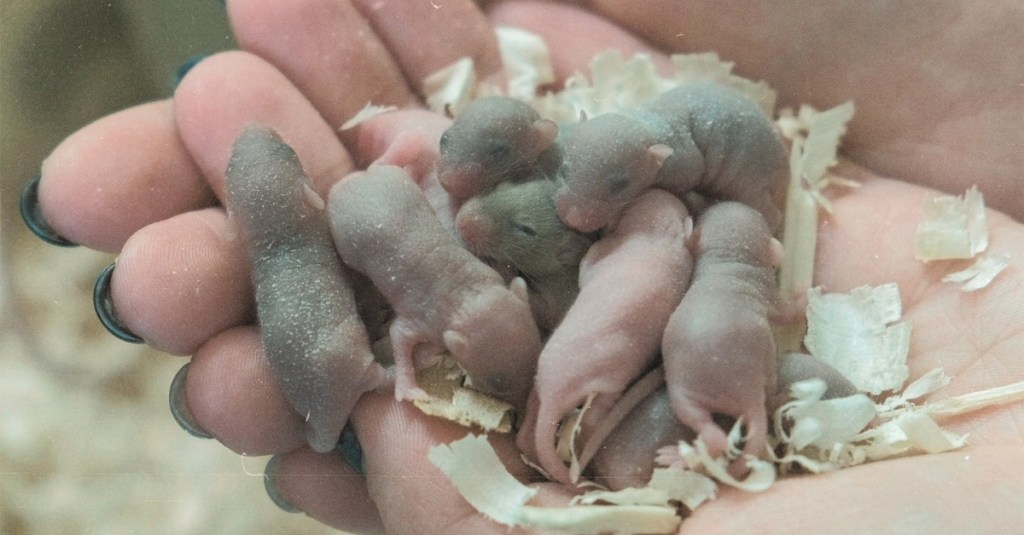
URGENT UPDATE: A female mouse has made history by giving birth after returning from space, raising critical questions about mammalian reproduction beyond Earth. On December 10, 2023, this remarkable event followed a two-week stay on China’s Shenzhou-21 mission, where she and three other mice orbited approximately 400 kilometers above Earth.
The female mouse delivered a litter of nine pups, with six surviving—a typical outcome by laboratory standards, according to researchers from the Chinese Academy of Sciences. This birth is not just a scientific novelty; it could have profound implications for future human space exploration.
Wang Hongmei, a researcher at the Institute of Zoology, emphasized that the successful birth indicates short-term spaceflight did not impair the mouse’s reproductive capabilities. This finding is crucial as scientists investigate the long-term effects of space travel on reproduction—an area that remains largely uncharted.
As space missions become more ambitious, such as potential Mars missions, ensuring that reproduction remains viable is essential. Previous studies have shown that mouse sperm exposed to space can fertilize eggs back on Earth. However, this mission took a significant step forward by testing whether pregnancy and delivery could occur after exposure to microgravity and space radiation.
The Shenzhou-21 mission faced challenges, including a last-minute change to its return schedule that extended the mice’s stay in orbit. Ground teams had to prepare emergency rations, pulling supplies from astronaut provisions, including compressed biscuits and soy milk, to ensure the mice were adequately fed. An AI system monitored their movement, eating, and sleeping patterns, maintaining a strict Earth-based day-night cycle to minimize stress.
Now, researchers are closely observing the pups for growth patterns and physiological changes. They will also assess whether these offspring can reproduce normally in the future. The aim is to identify any potential reproductive issues that may not be immediately apparent or could emerge across generations.
While one successful birth does not resolve all questions about reproduction in space, it eliminates one troubling possibility: that space travel might fundamentally disrupt mammalian reproduction. This breakthrough suggests that, at least for now, space does not immediately jeopardize this vital biological function.
As humanity prepares for longer missions beyond Earth, this small yet significant development holds promise for the future of reproduction in space. The implications of this research could pave the way for sustainable human life on other planets, making the birth of these little pups an event worth celebrating.
Stay tuned for further updates as researchers continue to monitor the pups and explore the vast possibilities for life in space.

Urgent Swatting Incident Ties Up Emergency Resources in Alabama

Urgent Tax Alert: Claim Your Deductions Before April 15!

Scientists Investigate Cosmic Defects: Where Are They Now?

Spring Bocce Leagues Open Registration in Rapid City

CALV Offers Essential Communication Class for Real Estate Pros

Samsung Galaxy Watch 9 Set for Larger 435mAh Battery Upgrade

Healthy Choice Wellness Reports Earnings, Stock Sees Uptick

Prince Harry Claims to Be ‘Antidote to Andrew’ Amid Royal Crisis

Pet Owners Weigh Kibble Against Fresh Dog Food Options

ALMA Discovers Companion Orbiting Giant Star π 1 Gruis

U.S. Visa Rescheduling Hits H‐1B Applicants as New Vetting Rules Take Effect

University of Hawaiʻi Joins $25.6M AI Project for Disaster Monitoring

F-22 Raptor vs. Su-57 Felon: A 2025 Fighter Jet Comparison

Recent Divorce Judgments from Iberia Parish Court Records

Ohio State Study Uncovers Brain Connectivity and Function Links

Prince Andrew Faces Fallout from Scandals and Allegations

Urgent: Flight Cancellations Loom at Texas Airports Amid Shutdown

Frank Dunn, Esteemed Builder and Community Leader, Passes Away at 89
-
 Science8 months ago
ALMA Discovers Companion Orbiting Giant Star π 1 Gruis
-
 Politics6 months ago
U.S. Visa Rescheduling Hits H‐1B Applicants as New Vetting Rules Take Effect
-
Science8 months ago
University of Hawaiʻi Joins $25.6M AI Project for Disaster Monitoring
-
 World8 months ago
F-22 Raptor vs. Su-57 Felon: A 2025 Fighter Jet Comparison
-
 Politics8 months ago
Recent Divorce Judgments from Iberia Parish Court Records
-
 Science9 months ago
Ohio State Study Uncovers Brain Connectivity and Function Links
-
 World9 months ago
Prince Andrew Faces Fallout from Scandals and Allegations
-
 Top Stories8 months ago
Urgent: Flight Cancellations Loom at Texas Airports Amid Shutdown
-
 Lifestyle8 months ago
Frank Dunn, Esteemed Builder and Community Leader, Passes Away at 89
-

 Business8 months ago
Appian Recognizes 2025 Partner Award Winners for Enterprise Innovation
-

 Entertainment7 months ago
Malachi Barton Tops Google Searches as Disney’s Rising Star of 2025
-

 Top Stories7 months ago
Republican Matt Van Epps Wins Tennessee Special Election