
Top Stories
China’s Global Loan Footprint Hits $2.1 Trillion—Urgent Insights

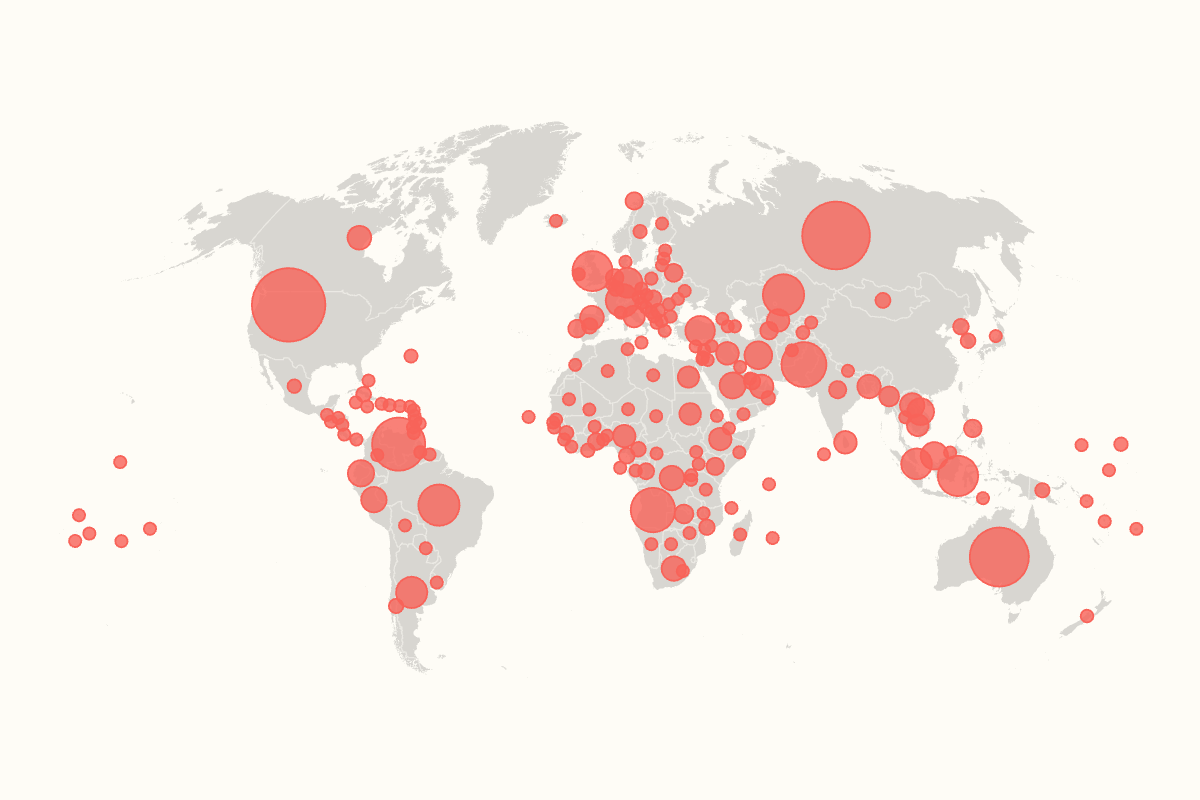
BREAKING: A new report reveals that China’s global loan portfolio has surged to an astonishing $2.1 trillion, reshaping international financial dynamics and challenging assumptions about its lending practices. The findings from the Virginia-based research institute AidData underscore China’s role as the world’s largest creditor, significantly impacting diplomatic relationships and strategic resource allocations.
This urgent development highlights how China’s ambitious infrastructure program, the Belt and Road Initiative, has propelled it to the forefront of global lending. The report, based on a comprehensive three-year study tracking 30,000 projects across 217 countries, indicates that high- and upper-middle-income nations account for a staggering 76 percent of these loans, debunking the myth that Chinese lending primarily targets developing countries.
Among the top ten recipients, the United States leads with $202 billion in loans tied to more than 2,500 projects. Following closely is Russia, receiving $172 billion, and Australia, with $130 billion. Other notable recipients include Venezuela and Pakistan, who received $105.7 billion and $75.6 billion, respectively. The United Kingdom rounds out the list at the tenth position.
The implications of these findings are significant, as critics have long accused China of engaging in “debt-trap diplomacy,” where nations fall into financial distress due to high repayment demands. However, Chinese officials have firmly rejected this narrative, asserting that their overseas lending is based on mutually beneficial principles.
Brad Parks, executive director of AidData, remarked, “This is an extraordinary discovery given that the U.S. has spent the better part of the last decade warning other countries of the dangers of accumulating significant debt exposure to China.” This statement raises questions about the efficacy of the U.S. strategy in curbing China’s influence among global lenders.
In light of these revelations, the authors of the report describe China as a “new global pace-setter rewriting the rules and norms that govern cross-border aid and credit.” They suggest that the U.S., Germany, Japan, and other major lenders must quickly adapt their credit and aid strategies to remain competitive.
The urgency of this situation cannot be overstated. With China’s lending practices evolving and expanding, nations around the world must reassess their financial strategies and international partnerships. The data presented by AidData not only illustrates the scale of China’s influence but also serves as a wake-up call for countries to navigate the complexities of global finance in an era dominated by Chinese lending activities.
As this story develops, monitoring the responses from international leaders and financial analysts will be crucial. The ramifications of China’s expanding loan portfolio will likely reverberate across diplomatic and economic spheres, making it a topic of immediate relevance for governments and citizens alike.
Stay tuned for further updates as more information becomes available on this critical global issue.

Urgent Swatting Incident Ties Up Emergency Resources in Alabama

Urgent Tax Alert: Claim Your Deductions Before April 15!

Scientists Investigate Cosmic Defects: Where Are They Now?

Spring Bocce Leagues Open Registration in Rapid City

CALV Offers Essential Communication Class for Real Estate Pros

Samsung Galaxy Watch 9 Set for Larger 435mAh Battery Upgrade

Healthy Choice Wellness Reports Earnings, Stock Sees Uptick

Prince Harry Claims to Be ‘Antidote to Andrew’ Amid Royal Crisis

Pet Owners Weigh Kibble Against Fresh Dog Food Options

ALMA Discovers Companion Orbiting Giant Star π 1 Gruis

U.S. Visa Rescheduling Hits H‐1B Applicants as New Vetting Rules Take Effect

University of Hawaiʻi Joins $25.6M AI Project for Disaster Monitoring

F-22 Raptor vs. Su-57 Felon: A 2025 Fighter Jet Comparison

Recent Divorce Judgments from Iberia Parish Court Records

Ohio State Study Uncovers Brain Connectivity and Function Links

Prince Andrew Faces Fallout from Scandals and Allegations

Urgent: Flight Cancellations Loom at Texas Airports Amid Shutdown

Frank Dunn, Esteemed Builder and Community Leader, Passes Away at 89
-
 Science8 months ago
ALMA Discovers Companion Orbiting Giant Star π 1 Gruis
-
 Politics6 months ago
U.S. Visa Rescheduling Hits H‐1B Applicants as New Vetting Rules Take Effect
-
Science9 months ago
University of Hawaiʻi Joins $25.6M AI Project for Disaster Monitoring
-
 World9 months ago
F-22 Raptor vs. Su-57 Felon: A 2025 Fighter Jet Comparison
-
 Politics8 months ago
Recent Divorce Judgments from Iberia Parish Court Records
-
 Science9 months ago
Ohio State Study Uncovers Brain Connectivity and Function Links
-
 World9 months ago
Prince Andrew Faces Fallout from Scandals and Allegations
-
 Top Stories8 months ago
Urgent: Flight Cancellations Loom at Texas Airports Amid Shutdown
-
 Lifestyle8 months ago
Frank Dunn, Esteemed Builder and Community Leader, Passes Away at 89
-

 Business8 months ago
Appian Recognizes 2025 Partner Award Winners for Enterprise Innovation
-

 Entertainment7 months ago
Malachi Barton Tops Google Searches as Disney’s Rising Star of 2025
-

 Top Stories7 months ago
Republican Matt Van Epps Wins Tennessee Special Election