
Science
Trump Declares Oil Blockade on Venezuela, Ignites Constitutional Debate

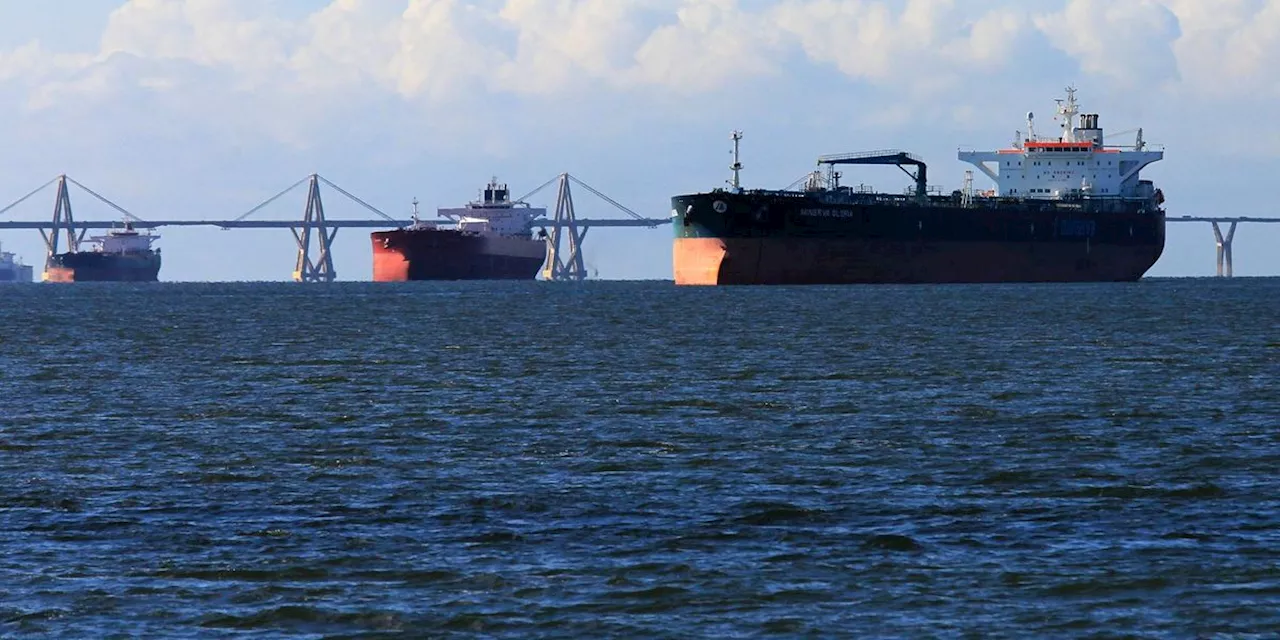
On December 16, 2025, former President Donald Trump announced a “total and complete blockade” of oil tankers entering or leaving Venezuela. This declaration, made through his personal media platform, suggested that Venezuela was “completely surrounded by the largest Armada ever assembled in the History of South America.” Trump’s statement indicated that the blockade would remain in place until Venezuela returned all “oil, land, and other assets” to the United States. This sweeping announcement has raised serious questions regarding its constitutional legitimacy and the implications for executive power in the United States.
The blockade represents a significant challenge to the War Powers Resolution, a legislative measure designed to prevent unilateral military actions by the executive branch. Traditionally, U.S. administrations have utilized sanctions and diplomatic measures to address foreign resource disputes. Trump’s approach, however, shifts the paradigm from legal recourse to military coercion, undermining established norms of international relations.
Constitutional Concerns Over Unilateral Action
Under Article I of the U.S. Constitution, the power to declare war rests solely with Congress. Article II grants the President authority as Commander-in-Chief, but this does not extend to extensive military actions lacking congressional approval. The War Powers Resolution of 1973 mandates that the President must seek legislative authorization for military engagements likely to involve hostilities. The blockade, which is both undeclared and unauthorized, constitutes a direct violation of this legal framework.
A naval blockade is recognized under both domestic and international law as an act of force, regardless of whether it meets resistance. By asserting control over international waters and disrupting maritime trade, the blockade escalates tensions and poses a significant constitutional crisis. Legal experts assert that such actions could set a dangerous precedent for future administrations.
The Flawed Justification of “Stolen Oil”
Trump’s rationale for the blockade hinges on the claim that Venezuela “stole” American oil. This assertion is inconsistent with historical and legal realities. In 1976, Venezuela nationalized its oil sector through the establishment of Petróleos de Venezuela, S.A. Foreign companies, including U.S. firms like ExxonMobil and ConocoPhillips, operated under negotiated agreements. By the early 2000s, Venezuela transitioned these operations into joint ventures, asserting majority state ownership—a move well within its rights under international law. Disputes arising from these actions were historically settled through arbitration, not military force.
The United States has not resorted to military blockades in similar resource disputes throughout Latin America, highlighting the unprecedented nature of Trump’s actions in this context. The shift from diplomatic solutions to military coercion threatens to destabilize the established international order.
Legal Implications of Blockade Actions
The distinction between sanctions enforcement and military action is critical. Sanctions, overseen by the Office of Foreign Assets Control, regulate specific economic transactions but do not grant the President authority to engage in armed interdictions of foreign-flagged vessels. While some tanker seizures have been justified under civil forfeiture laws, transitioning to a systematic blockade crosses into the realm of armed coercion.
The indefinite nature of the blockade, coupled with its linkage to political demands for asset returns, extends beyond the legal limits of executive authority. Under the War Powers Resolution and guidance from the Office of Legal Counsel, military actions initiated in emergencies must cease within 60 days unless Congress grants approval.
Potential Consequences for Separation of Powers
If a President can initiate a naval blockade without congressional consent, the separation of powers faces a significant threat. The implications extend beyond Venezuela; any state or region where U.S. interests are challenged could become a target for similar actions. Alarmingly, the potential for private claims to trigger military interventions shifts the focus of foreign relations from legal frameworks to coercive measures.
Framing disputes over oil contracts as theft redefines regulatory disagreements as justifications for military engagement. This could undermine global maritime order and encourage future leaders to prioritize force over law in foreign commerce matters.
A Path Toward Legal and Diplomatic Resolution
It is not too late for Congress to reassert its constitutional authority. Legislative measures, such as House Concurrent Resolution 64, could reinforce the War Powers Resolution and curtail unauthorized military actions. The executive branch must return to lawful enforcement methods, relying on civil forfeiture, targeted sanctions, and international arbitration rather than coercive blockades.
Restoring diplomatic engagement should be the primary approach to resolving disputes over Venezuela’s resource management. Negotiations and international claims processes offer viable alternatives to unilateral military actions.
Historically, the United States has positioned itself as a champion of a rule-based international order. To uphold this reputation, it must adhere to constitutional boundaries and legal norms. The blockade of Venezuelan oil tankers may be perceived by some as a show of strength, but it ultimately represents a dangerous erosion of law, precedent, and constitutional governance.
As the balance of powers tilts, it is essential for Congress, the courts, and the public to hold the executive accountable. The Constitution must serve as a safeguard against impulsive actions and ensure that power is exercised in accordance with the law. Otherwise, the ability to blockade without legislative approval transforms the Constitution from a protective framework into a mere suggestion.

Urgent Swatting Incident Ties Up Emergency Resources in Alabama

Urgent Tax Alert: Claim Your Deductions Before April 15!

Scientists Investigate Cosmic Defects: Where Are They Now?

Spring Bocce Leagues Open Registration in Rapid City

CALV Offers Essential Communication Class for Real Estate Pros

Samsung Galaxy Watch 9 Set for Larger 435mAh Battery Upgrade

Healthy Choice Wellness Reports Earnings, Stock Sees Uptick

Prince Harry Claims to Be ‘Antidote to Andrew’ Amid Royal Crisis

Pet Owners Weigh Kibble Against Fresh Dog Food Options

ALMA Discovers Companion Orbiting Giant Star π 1 Gruis

U.S. Visa Rescheduling Hits H‐1B Applicants as New Vetting Rules Take Effect

University of Hawaiʻi Joins $25.6M AI Project for Disaster Monitoring

F-22 Raptor vs. Su-57 Felon: A 2025 Fighter Jet Comparison

Recent Divorce Judgments from Iberia Parish Court Records

Ohio State Study Uncovers Brain Connectivity and Function Links

Prince Andrew Faces Fallout from Scandals and Allegations

Urgent: Flight Cancellations Loom at Texas Airports Amid Shutdown

Frank Dunn, Esteemed Builder and Community Leader, Passes Away at 89
-
 Science8 months ago
ALMA Discovers Companion Orbiting Giant Star π 1 Gruis
-
 Politics6 months ago
U.S. Visa Rescheduling Hits H‐1B Applicants as New Vetting Rules Take Effect
-
Science8 months ago
University of Hawaiʻi Joins $25.6M AI Project for Disaster Monitoring
-
 World8 months ago
F-22 Raptor vs. Su-57 Felon: A 2025 Fighter Jet Comparison
-
 Politics8 months ago
Recent Divorce Judgments from Iberia Parish Court Records
-
 Science9 months ago
Ohio State Study Uncovers Brain Connectivity and Function Links
-
 World8 months ago
Prince Andrew Faces Fallout from Scandals and Allegations
-
 Top Stories8 months ago
Urgent: Flight Cancellations Loom at Texas Airports Amid Shutdown
-
 Lifestyle8 months ago
Frank Dunn, Esteemed Builder and Community Leader, Passes Away at 89
-

 Business8 months ago
Appian Recognizes 2025 Partner Award Winners for Enterprise Innovation
-

 Entertainment6 months ago
Malachi Barton Tops Google Searches as Disney’s Rising Star of 2025
-

 Science9 months ago
Innovator Captures Light at 2 Billion Frames Per Second