
Science
Scientists Uncover Clues to Universe’s Fundamental Mysteries

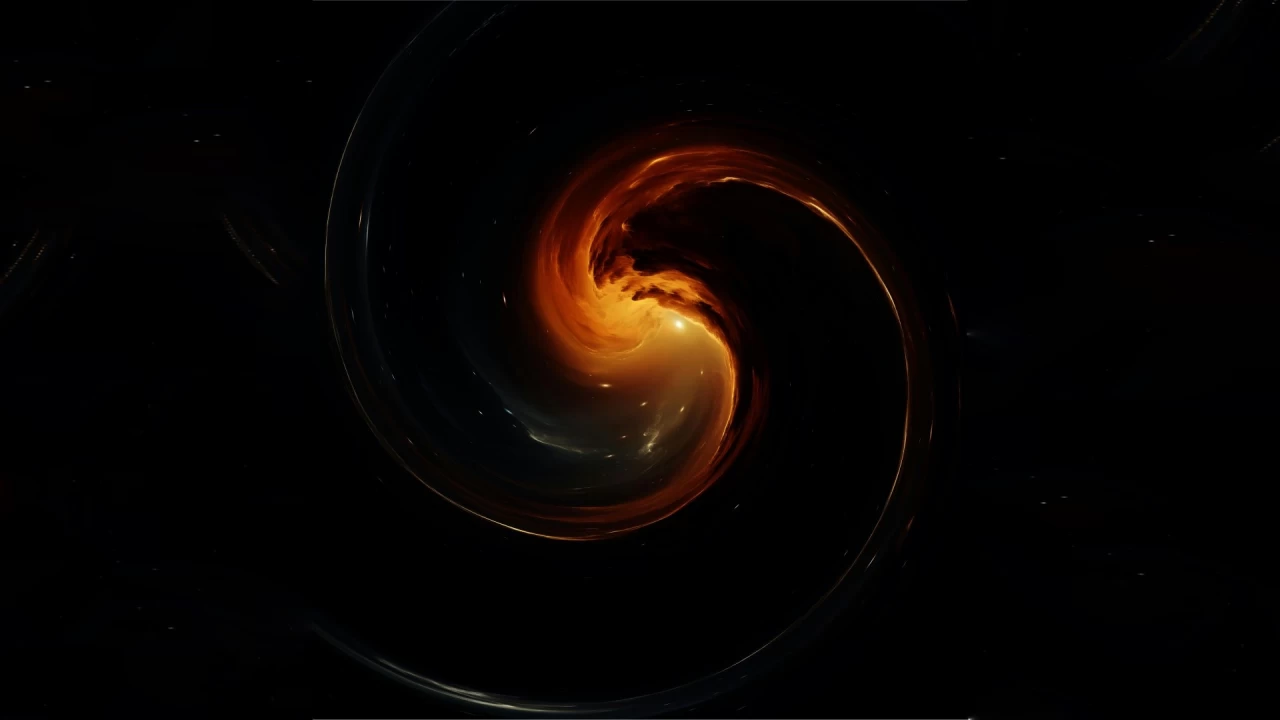
Scientists have made significant progress in understanding one of the most fundamental questions of the Universe: the nature of dark matter. On March 15, 2024, a collaborative study involving researchers from the National Aeronautics and Space Administration (NASA) and the European Space Agency (ESA) revealed promising findings that may help solve this cosmic mystery.
Dark matter, which constitutes approximately 27 percent of the Universe, remains invisible and undetectable through traditional means. Its existence is inferred from gravitational effects on visible matter, radiation, and the large-scale structure of the Universe. The new study, conducted using data from the Hubble Space Telescope and the recently launched James Webb Space Telescope, provides insights into the distribution and behavior of dark matter in various galaxies.
By examining the gravitational lensing effects caused by dark matter, scientists were able to map its presence more accurately. This phenomenon occurs when massive objects, like galaxies or clusters of galaxies, bend light from objects behind them. The research team found that dark matter does not distribute uniformly, as previously thought, suggesting that it may clump in certain areas, influencing galaxy formation and evolution.
The study’s lead researcher, Dr. Elena Martinez, a physicist at NASA, highlighted the importance of these findings, stating, “Understanding how dark matter is distributed in galaxies is crucial for our overall comprehension of the Universe’s structure and history.” The research not only sheds light on dark matter but also opens new avenues for future investigations into the Universe’s formation.
In addition to mapping dark matter, the study also explored its relationship with ordinary matter. The researchers discovered that regions rich in dark matter tend to host more stars and gas, revealing a complex interplay that shapes cosmic evolution. This finding could provide a foundation for future theoretical models addressing the origins of galaxies.
The implications of this research extend beyond academic interest. A better understanding of dark matter could lead to advancements in technology and methodologies used in astrophysics. Moreover, it may contribute to educational outreach, inspiring the next generation of scientists and astronomers.
As scientists continue to analyze the data gathered from the International Space Station and various telescopes, further discoveries are anticipated. The ongoing collaboration between NASA and ESA exemplifies the importance of international teamwork in tackling profound scientific questions.
This latest research marks a pivotal moment in the quest to unravel the mysteries of the Universe. As scientists probe deeper into the nature of dark matter, humanity edges closer to comprehending its cosmic origins and the fundamental forces that govern our existence.

Urgent Swatting Incident Ties Up Emergency Resources in Alabama

Urgent Tax Alert: Claim Your Deductions Before April 15!

Scientists Investigate Cosmic Defects: Where Are They Now?

Spring Bocce Leagues Open Registration in Rapid City

CALV Offers Essential Communication Class for Real Estate Pros

Samsung Galaxy Watch 9 Set for Larger 435mAh Battery Upgrade

Healthy Choice Wellness Reports Earnings, Stock Sees Uptick

Prince Harry Claims to Be ‘Antidote to Andrew’ Amid Royal Crisis

Pet Owners Weigh Kibble Against Fresh Dog Food Options

ALMA Discovers Companion Orbiting Giant Star π 1 Gruis

U.S. Visa Rescheduling Hits H‐1B Applicants as New Vetting Rules Take Effect

University of Hawaiʻi Joins $25.6M AI Project for Disaster Monitoring

F-22 Raptor vs. Su-57 Felon: A 2025 Fighter Jet Comparison

Recent Divorce Judgments from Iberia Parish Court Records

Urgent: Flight Cancellations Loom at Texas Airports Amid Shutdown

Ohio State Study Uncovers Brain Connectivity and Function Links

Frank Dunn, Esteemed Builder and Community Leader, Passes Away at 89

Appian Recognizes 2025 Partner Award Winners for Enterprise Innovation
-
 Science9 months ago
ALMA Discovers Companion Orbiting Giant Star π 1 Gruis
-
 Politics7 months ago
U.S. Visa Rescheduling Hits H‐1B Applicants as New Vetting Rules Take Effect
-
Science10 months ago
University of Hawaiʻi Joins $25.6M AI Project for Disaster Monitoring
-
 World10 months ago
F-22 Raptor vs. Su-57 Felon: A 2025 Fighter Jet Comparison
-
 Politics9 months ago
Recent Divorce Judgments from Iberia Parish Court Records
-
 Top Stories10 months ago
Urgent: Flight Cancellations Loom at Texas Airports Amid Shutdown
-
 Science10 months ago
Ohio State Study Uncovers Brain Connectivity and Function Links
-
 Lifestyle10 months ago
Frank Dunn, Esteemed Builder and Community Leader, Passes Away at 89
-
 Business9 months ago
Appian Recognizes 2025 Partner Award Winners for Enterprise Innovation
-

 World10 months ago
Prince Andrew Faces Fallout from Scandals and Allegations
-

 Entertainment8 months ago
Malachi Barton Tops Google Searches as Disney’s Rising Star of 2025
-

 Top Stories9 months ago
Republican Matt Van Epps Wins Tennessee Special Election