
Science
Scientists Reveal 3D Structure of Popocatepetl Volcano’s Interior

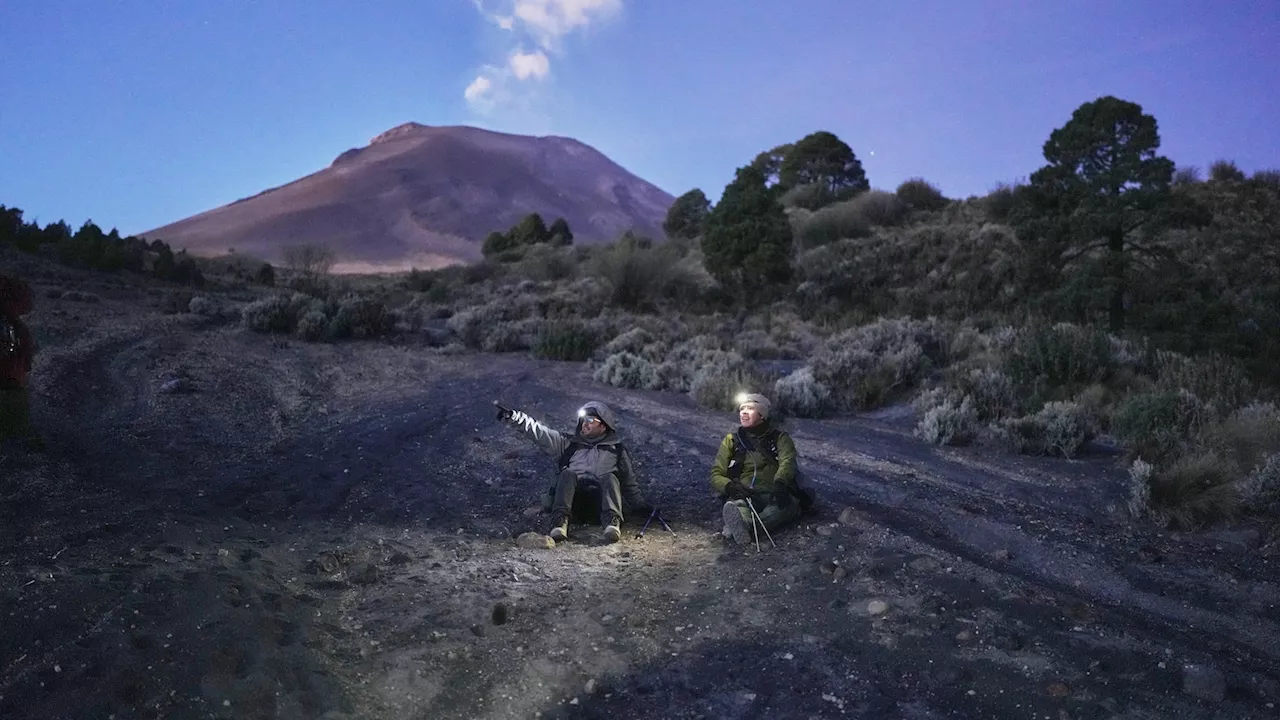
Researchers from the National Autonomous University of Mexico (UNAM) have successfully created the first three-dimensional image of the interior of the **Popocatepetl** volcano, a critical advancement that enhances understanding of magma accumulation and volcanic activity. This groundbreaking work aims to improve disaster preparedness for the millions of people living in proximity to the volcano, which has been active for over two decades.
Situated in central Mexico, **Popocatepetl**—affectionately known as “El Popo”—poses a significant risk to approximately **25 million people** residing within a **62-mile radius**. The new 3D imaging provides invaluable insights into the dynamics of the volcano, potentially offering authorities the tools needed for better eruption forecasting and risk management.
The research team, led by geophysicist **Marco Calo**, focused on mapping the internal structure of this active volcano, which has been under intense scientific scrutiny. Despite previous studies offering initial insights, earlier images lacked the resolution necessary to understand the complex formation of the volcano and the precise locations of magma chambers.
To overcome these limitations, the team expanded the number of seismographs from **12**, provided by Mexico’s National Disaster Prevention Center, to **22**. These instruments measure ground vibrations at a rate of **100 times per second**, generating a wealth of data. **Karina Bernal**, a doctoral student involved in the project, utilized artificial intelligence to refine the analysis of these signals, categorizing the seismic activity to infer the materials, their states, temperatures, and depths within the volcano.
The resulting 3D image extends **11 miles** below the crater, revealing multiple magma pools at varying depths. This advanced representation is far more intricate than traditional models, enhancing the team’s understanding of Popocatepetl’s internal environment.
Significance of the Research
**Popocatepetl** has emerged in its current form over the past **20,000 years**, with consistent activity noted since **1994**. The volcano frequently releases smoke, gas, and ash, contributing to dome formation and eruptions. The consequences of an eruption could be dire, given the surrounding infrastructure, including schools, hospitals, and five airports.
Calo emphasized the importance of hands-on experience in understanding the volcano’s behavior, which is why the team frequently conducts fieldwork. During their latest expedition, they established a camp at **12,500 feet** to facilitate their research. This elevation offers a vantage point to observe other significant mountains in the region, such as **Pico de Orizaba** and **Iztaccíhuatl**.
In the field, the team experiences the sounds of the volcano, with reports of small tremors and ash falling, enhancing their understanding of the active geological processes at play. The vibrant orange glow of the crater at night signals the ongoing activity, reminding the researchers of the formidable nature of the volcano they are studying.
Future Implications
The 3D mapping project is pivotal for improving safety measures for communities near **Popocatepetl**. By comprehensively understanding the volcano’s internal structure, researchers can better forecast potential hazards, significantly benefiting public safety initiatives. The insights gained from this innovative research will undoubtedly aid local authorities in implementing more effective disaster response strategies.
In summary, the collaboration between researchers at UNAM and advanced seismic technology marks a significant step forward in volcanic studies. As **Marco Calo** and his team continue their work, they provide a clearer picture of one of the world’s most active volcanoes, demonstrating the critical intersection of science and public safety.

Urgent Swatting Incident Ties Up Emergency Resources in Alabama

Urgent Tax Alert: Claim Your Deductions Before April 15!

Scientists Investigate Cosmic Defects: Where Are They Now?

Spring Bocce Leagues Open Registration in Rapid City

CALV Offers Essential Communication Class for Real Estate Pros

Samsung Galaxy Watch 9 Set for Larger 435mAh Battery Upgrade

Healthy Choice Wellness Reports Earnings, Stock Sees Uptick

Prince Harry Claims to Be ‘Antidote to Andrew’ Amid Royal Crisis

Pet Owners Weigh Kibble Against Fresh Dog Food Options

ALMA Discovers Companion Orbiting Giant Star π 1 Gruis

U.S. Visa Rescheduling Hits H‐1B Applicants as New Vetting Rules Take Effect

University of Hawaiʻi Joins $25.6M AI Project for Disaster Monitoring

F-22 Raptor vs. Su-57 Felon: A 2025 Fighter Jet Comparison

Recent Divorce Judgments from Iberia Parish Court Records

Ohio State Study Uncovers Brain Connectivity and Function Links

Prince Andrew Faces Fallout from Scandals and Allegations

Urgent: Flight Cancellations Loom at Texas Airports Amid Shutdown

Frank Dunn, Esteemed Builder and Community Leader, Passes Away at 89
-
 Science8 months ago
ALMA Discovers Companion Orbiting Giant Star π 1 Gruis
-
 Politics6 months ago
U.S. Visa Rescheduling Hits H‐1B Applicants as New Vetting Rules Take Effect
-
Science8 months ago
University of Hawaiʻi Joins $25.6M AI Project for Disaster Monitoring
-
 World8 months ago
F-22 Raptor vs. Su-57 Felon: A 2025 Fighter Jet Comparison
-
 Politics8 months ago
Recent Divorce Judgments from Iberia Parish Court Records
-
 Science9 months ago
Ohio State Study Uncovers Brain Connectivity and Function Links
-
 World8 months ago
Prince Andrew Faces Fallout from Scandals and Allegations
-
 Top Stories8 months ago
Urgent: Flight Cancellations Loom at Texas Airports Amid Shutdown
-
 Lifestyle8 months ago
Frank Dunn, Esteemed Builder and Community Leader, Passes Away at 89
-

 Business8 months ago
Appian Recognizes 2025 Partner Award Winners for Enterprise Innovation
-

 Entertainment6 months ago
Malachi Barton Tops Google Searches as Disney’s Rising Star of 2025
-

 Science9 months ago
Innovator Captures Light at 2 Billion Frames Per Second