
Science
NASA Astronaut Set to Manually Fly Orion in Historic Artemis II Mission

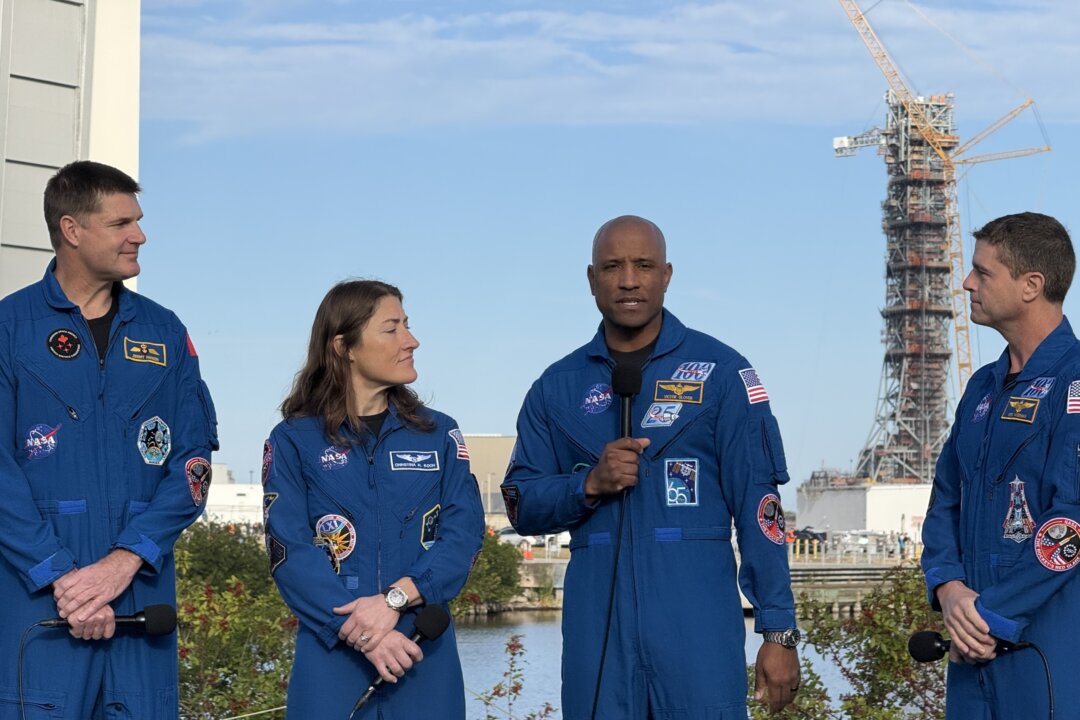
NASA has confirmed that astronaut Victor Glover will become the first person to manually operate the Orion spacecraft during the upcoming Artemis II mission. The launch, scheduled to take place from Cape Canaveral, will mark a significant moment in space exploration, as it connects today’s missions to the legacy of the Apollo program, where astronauts manually controlled their spacecraft on lunar missions.
Glover’s journey will include two key manual flight demonstrations at the beginning and end of his ten-day mission. This hands-on approach not only showcases NASA‘s commitment to maintaining traditional piloting skills but also highlights the evolving landscape of space technology. As the Artemis program progresses, the integration of advanced automated systems is expected to reshape the role of manual control in future space missions.
Manual Control: A Legacy Revisited
The manual control element of the Artemis missions is reminiscent of the Apollo astronauts who navigated their spacecraft to the moon and back. Glover’s demonstrations will serve to reinforce the importance of human oversight in complex flight situations, particularly as missions extend deeper into space. The challenges of navigating uncharted territories require a balance between cutting-edge technology and the irreplaceable intuition of experienced astronauts.
This mission is set against a backdrop where technological advancements are rapidly transforming space travel. According to NASA, the increasing complexity of missions, especially those involving deep space exploration, necessitates a reconsideration of how manual control is employed. While automated systems are becoming more sophisticated, the human element remains crucial for ensuring safety and adaptability during missions.
The Future of Space Exploration
As NASA prepares for Artemis II, the agency aims to establish a sustainable human presence on the moon and eventually pave the way for crewed missions to Mars. Glover’s manual flight is not just a nod to the past; it is a strategic move to ensure that astronauts remain skilled in piloting amidst a landscape increasingly dominated by automation.
The Artemis program is part of a broader initiative to engage international partners in space exploration, encouraging collaborative efforts that leverage diverse technologies and expertise. As Glover and his crew prepare for their historic journey, their mission will not only serve as a testament to human ingenuity but also as a pivotal step towards the future of space travel.
With the launch of Artemis II, NASA is poised to demonstrate that while technology continues to evolve, the spirit of exploration and the critical role of human operators will always remain at the heart of space missions.

Urgent Swatting Incident Ties Up Emergency Resources in Alabama

Urgent Tax Alert: Claim Your Deductions Before April 15!

Scientists Investigate Cosmic Defects: Where Are They Now?

Spring Bocce Leagues Open Registration in Rapid City

CALV Offers Essential Communication Class for Real Estate Pros

Samsung Galaxy Watch 9 Set for Larger 435mAh Battery Upgrade

Healthy Choice Wellness Reports Earnings, Stock Sees Uptick

Prince Harry Claims to Be ‘Antidote to Andrew’ Amid Royal Crisis

Pet Owners Weigh Kibble Against Fresh Dog Food Options

ALMA Discovers Companion Orbiting Giant Star π 1 Gruis

U.S. Visa Rescheduling Hits H‐1B Applicants as New Vetting Rules Take Effect

University of Hawaiʻi Joins $25.6M AI Project for Disaster Monitoring

F-22 Raptor vs. Su-57 Felon: A 2025 Fighter Jet Comparison

Ohio State Study Uncovers Brain Connectivity and Function Links

Recent Divorce Judgments from Iberia Parish Court Records

Prince Andrew Faces Fallout from Scandals and Allegations

Urgent: Flight Cancellations Loom at Texas Airports Amid Shutdown

Frank Dunn, Esteemed Builder and Community Leader, Passes Away at 89
-
 Science8 months ago
ALMA Discovers Companion Orbiting Giant Star π 1 Gruis
-
 Politics6 months ago
U.S. Visa Rescheduling Hits H‐1B Applicants as New Vetting Rules Take Effect
-
Science8 months ago
University of Hawaiʻi Joins $25.6M AI Project for Disaster Monitoring
-
 World8 months ago
F-22 Raptor vs. Su-57 Felon: A 2025 Fighter Jet Comparison
-
 Science8 months ago
Ohio State Study Uncovers Brain Connectivity and Function Links
-
 Politics8 months ago
Recent Divorce Judgments from Iberia Parish Court Records
-
 World8 months ago
Prince Andrew Faces Fallout from Scandals and Allegations
-
 Top Stories8 months ago
Urgent: Flight Cancellations Loom at Texas Airports Amid Shutdown
-
 Lifestyle8 months ago
Frank Dunn, Esteemed Builder and Community Leader, Passes Away at 89
-

 Business8 months ago
Appian Recognizes 2025 Partner Award Winners for Enterprise Innovation
-

 Entertainment6 months ago
Malachi Barton Tops Google Searches as Disney’s Rising Star of 2025
-

 Science9 months ago
Innovator Captures Light at 2 Billion Frames Per Second