
Science
NASA Alters Artemis Mission, Lacks Emergency Rescue Plan for Moon

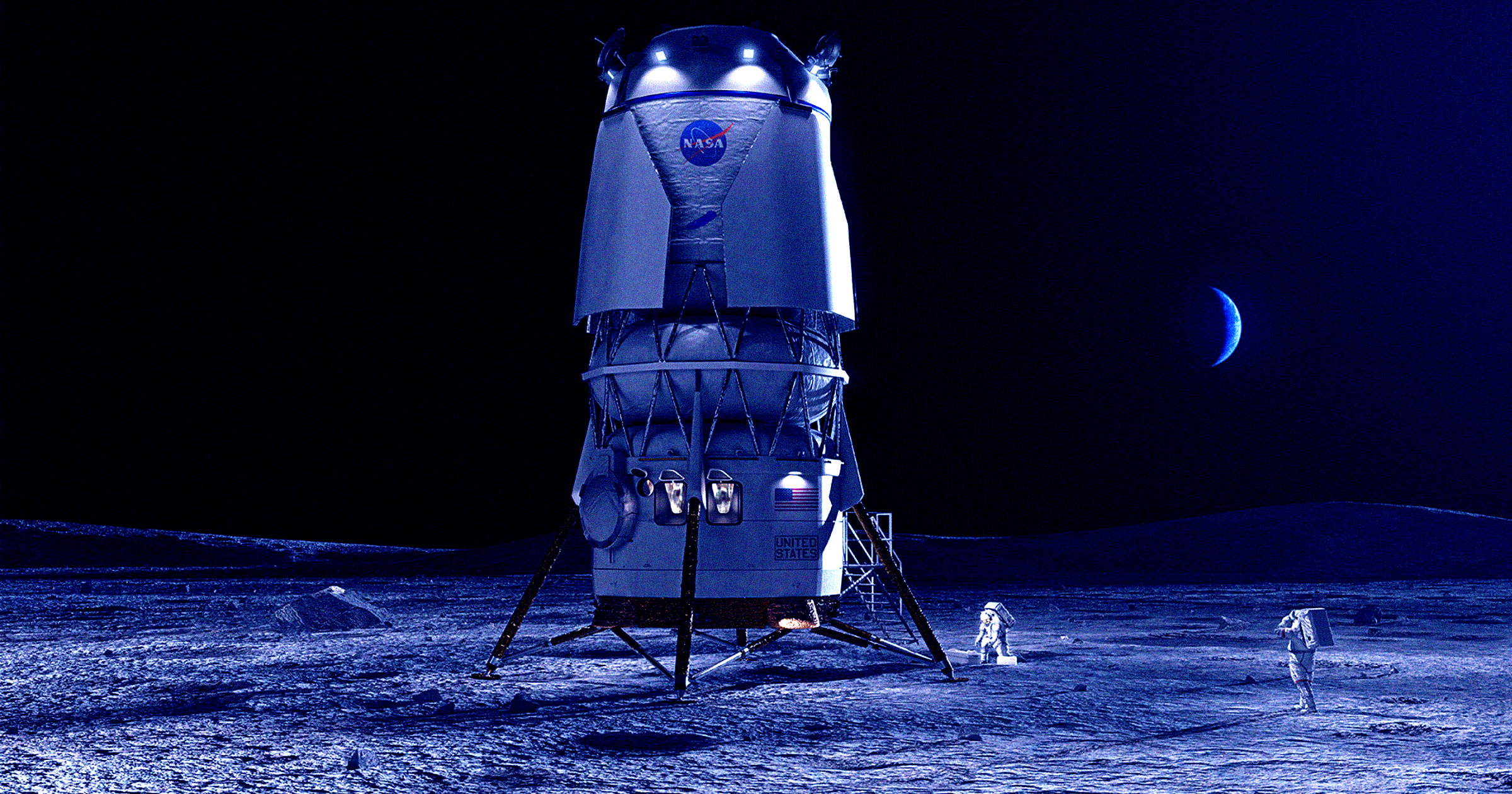
NASA has announced a significant shift in its Artemis program, downgrading the upcoming third mission from an attempt to land humans on the Moon to a test of its Human Landing Systems partners’ spacecraft. During a livestreamed press conference, NASA administrator Jared Isaacman emphasized the need for a more cautious approach, stating, “We need to chunk it into achievable objectives.” This change aims to enhance “reliability and standardization” across several missions, moving away from an immediate crewed lunar landing.
Despite these adjustments, a report from the NASA Office of Inspector General raises serious concerns about the agency’s preparedness for emergencies. According to the report, which was completed prior to the recent announcement, NASA lacks the capability to rescue astronauts in the event of a life-threatening situation on the lunar surface. The agency is taking measures to mitigate risks, but “gaps still exist in the Agency’s risk reduction methodology.”
Historically, this lack of a contingency plan is not new. In a 1969 document, presidential speechwriter William Safire drafted a speech for President Richard Nixon to deliver in case of a disaster during the Apollo missions. The speech conveyed a somber message about the fate of astronauts Neil Armstrong and Edwin Aldrin, who were to “stay on the Moon to rest in peace.” Fortunately, both astronauts returned safely, but the draft exemplifies the risks associated with manned lunar exploration.
The Office of Inspector General report also highlights uncertainties surrounding the manual control capabilities of SpaceX and Blue Origin. These systems are critical for crew safety during emergencies and are essential for the human-rating certification of the Human Landing Systems.
While NASA is positioning its revised approach as a more methodical one, it remains ambitious. The agency plans to execute two lunar landing missions in 2028, contingent on the readiness of its partners’ landers. In a letter accompanying the report, Lori Glaze, NASA’s acting associate administrator for exploration systems development, acknowledged that delays have affected development timelines. She emphasized that NASA is collaborating closely with experts to oversee the partners’ progress while applying lessons learned to minimize further impacts.
The logistics of reaching the Moon are complex. The report indicates that fueling SpaceX’s Starship, a towering 171-foot spacecraft, will require extensive preparations. A “Starship tanker” will need to deliver propellant to a depot in low Earth orbit, with a minimum of ten tankers needed, and this process must be completed at least 200 days before the planned mission. Currently, SpaceX has yet to achieve a successful launch and landing of the Starship.
Blue Origin is pursuing a similar strategy, intending to establish a propellant depot to facilitate its lunar lander mission. Prior to any crewed missions, NASA plans to conduct extensive tests of both landers in lunar orbit. However, landing on the Moon presents its own set of challenges. The report specifies that the agency requires a tilt tolerance of just eight degrees at the landing site. The Starship’s height—comparable to that of a fourteen-story building—raises concerns about its stability during landing.
In contrast, Blue Origin’s lander, while shorter at 53 feet, still faces significant risks. The Office of Inspector General noted that exceeding the tilt tolerance could compromise the execution of critical crew functions. For context, the tallest lunar module used in the Apollo program was just 23 feet tall, significantly smaller than both the Starship and Blue Moon landers.
Additionally, the Starship will require an elevator for crew access to the lunar surface. The report highlights a potential risk, noting, “Currently, there is no other method for the crew to enter the vehicle from the lunar surface in the event of an elevator failure.” This situation underscores the complexities and dangers of lunar missions.
As NASA seeks to advance its lunar exploration ambitions, the agency faces substantial challenges and risks. The lack of a rescue plan for astronauts stranded on the Moon raises serious questions about the safety and feasibility of future missions. With the clock ticking, the agency must ensure that its plans evolve to meet the rigorous demands of space exploration.

Urgent Swatting Incident Ties Up Emergency Resources in Alabama

Urgent Tax Alert: Claim Your Deductions Before April 15!

Scientists Investigate Cosmic Defects: Where Are They Now?

Spring Bocce Leagues Open Registration in Rapid City

CALV Offers Essential Communication Class for Real Estate Pros

Samsung Galaxy Watch 9 Set for Larger 435mAh Battery Upgrade

Healthy Choice Wellness Reports Earnings, Stock Sees Uptick

Prince Harry Claims to Be ‘Antidote to Andrew’ Amid Royal Crisis

Pet Owners Weigh Kibble Against Fresh Dog Food Options

ALMA Discovers Companion Orbiting Giant Star π 1 Gruis

U.S. Visa Rescheduling Hits H‐1B Applicants as New Vetting Rules Take Effect

University of Hawaiʻi Joins $25.6M AI Project for Disaster Monitoring

F-22 Raptor vs. Su-57 Felon: A 2025 Fighter Jet Comparison

Recent Divorce Judgments from Iberia Parish Court Records

Ohio State Study Uncovers Brain Connectivity and Function Links

Urgent: Flight Cancellations Loom at Texas Airports Amid Shutdown

Frank Dunn, Esteemed Builder and Community Leader, Passes Away at 89

Appian Recognizes 2025 Partner Award Winners for Enterprise Innovation
-
 Science9 months ago
ALMA Discovers Companion Orbiting Giant Star π 1 Gruis
-
 Politics7 months ago
U.S. Visa Rescheduling Hits H‐1B Applicants as New Vetting Rules Take Effect
-
Science10 months ago
University of Hawaiʻi Joins $25.6M AI Project for Disaster Monitoring
-
 World10 months ago
F-22 Raptor vs. Su-57 Felon: A 2025 Fighter Jet Comparison
-
 Politics9 months ago
Recent Divorce Judgments from Iberia Parish Court Records
-
 Science10 months ago
Ohio State Study Uncovers Brain Connectivity and Function Links
-
 Top Stories10 months ago
Urgent: Flight Cancellations Loom at Texas Airports Amid Shutdown
-
 Lifestyle10 months ago
Frank Dunn, Esteemed Builder and Community Leader, Passes Away at 89
-
 Business9 months ago
Appian Recognizes 2025 Partner Award Winners for Enterprise Innovation
-

 World10 months ago
Prince Andrew Faces Fallout from Scandals and Allegations
-

 Entertainment8 months ago
Malachi Barton Tops Google Searches as Disney’s Rising Star of 2025
-

 Top Stories9 months ago
Republican Matt Van Epps Wins Tennessee Special Election