
Science
Humanoid Robots Deployed on Frontlines in Ukraine War

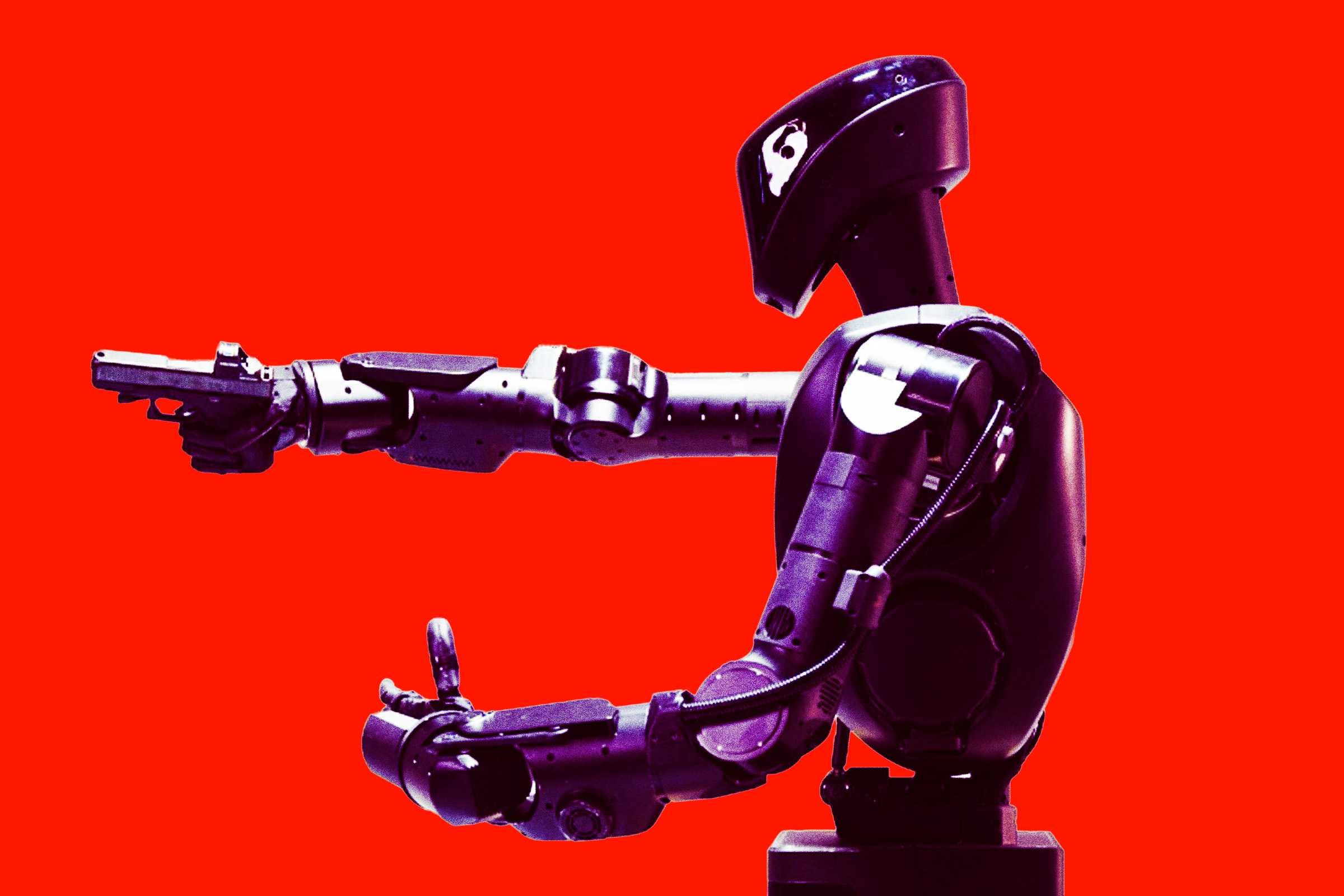
Humanoid robots have made their debut on the frontlines in Ukraine, according to a recent interview with combat veteran and co-founder of the robotics firm Foundation, Mike LeBlanc. In February, the company dispatched two Phantom Mk-I units for reconnaissance missions in the conflict-ridden region, marking a significant milestone in the integration of robotics in warfare.
LeBlanc expressed a strong belief in the ethical implications of using robots in combat, stating, “We think there’s a moral imperative to put these robots into war instead of soldiers.” The Phantom Mk-I is designed with capabilities that could potentially allow it to wield various firearms, including revolvers, semi-automatic pistols, and shotguns. This development raises the possibility of future humanoid robots being equipped with a range of weapons similar to those used by humans.
The deployment of the Phantom Mk-I units represents the first known use of humanoid robots in the ongoing Ukraine-Russia conflict, a notable development in military technology. While the Mk-I has been tested in industrial settings worldwide, its frontline application could reshape the dynamics of modern warfare. According to reports from United24, Ukraine’s state news agency, the country has initiated 7,495 robotics operations in January 2023 alone. Most of these missions focus on logistics, such as delivering supplies to troops, although some include armed units equipped with Kalashnikov machine guns.
The introduction of robotics on the battlefield is not exclusive to Ukraine. Russian forces have also begun integrating technology for various combat tasks, although they have not yet utilized humanoid robots. The ongoing conflict may serve as a proving ground for these advanced technologies, potentially leading to further developments in military robotics.
In addition to its operations in Ukraine, Foundation is reportedly in close discussions with the Department of Homeland Security regarding the potential use of patrol robots along the US-Mexico border. The implications of such technology extend beyond warfare, suggesting a future where robots may play a significant role in border security and other law enforcement applications.
As the landscape of modern conflict evolves, the integration of humanoid robots into military operations may redefine engagement strategies and ethical considerations in warfare. The Phantom Mk-I’s deployment could serve as a harbinger of a new era in which technology increasingly dominates the battlefield.

Urgent Swatting Incident Ties Up Emergency Resources in Alabama

Urgent Tax Alert: Claim Your Deductions Before April 15!

Scientists Investigate Cosmic Defects: Where Are They Now?

Spring Bocce Leagues Open Registration in Rapid City

CALV Offers Essential Communication Class for Real Estate Pros

Samsung Galaxy Watch 9 Set for Larger 435mAh Battery Upgrade

Healthy Choice Wellness Reports Earnings, Stock Sees Uptick

Prince Harry Claims to Be ‘Antidote to Andrew’ Amid Royal Crisis

Pet Owners Weigh Kibble Against Fresh Dog Food Options

ALMA Discovers Companion Orbiting Giant Star π 1 Gruis

U.S. Visa Rescheduling Hits H‐1B Applicants as New Vetting Rules Take Effect

University of Hawaiʻi Joins $25.6M AI Project for Disaster Monitoring

F-22 Raptor vs. Su-57 Felon: A 2025 Fighter Jet Comparison

Recent Divorce Judgments from Iberia Parish Court Records

Urgent: Flight Cancellations Loom at Texas Airports Amid Shutdown

Ohio State Study Uncovers Brain Connectivity and Function Links

Frank Dunn, Esteemed Builder and Community Leader, Passes Away at 89

Appian Recognizes 2025 Partner Award Winners for Enterprise Innovation
-
 Science9 months ago
ALMA Discovers Companion Orbiting Giant Star π 1 Gruis
-
 Politics7 months ago
U.S. Visa Rescheduling Hits H‐1B Applicants as New Vetting Rules Take Effect
-
Science10 months ago
University of Hawaiʻi Joins $25.6M AI Project for Disaster Monitoring
-
 World10 months ago
F-22 Raptor vs. Su-57 Felon: A 2025 Fighter Jet Comparison
-
 Politics9 months ago
Recent Divorce Judgments from Iberia Parish Court Records
-
 Top Stories10 months ago
Urgent: Flight Cancellations Loom at Texas Airports Amid Shutdown
-
 Science10 months ago
Ohio State Study Uncovers Brain Connectivity and Function Links
-
 Lifestyle10 months ago
Frank Dunn, Esteemed Builder and Community Leader, Passes Away at 89
-
 Business9 months ago
Appian Recognizes 2025 Partner Award Winners for Enterprise Innovation
-

 World10 months ago
Prince Andrew Faces Fallout from Scandals and Allegations
-

 Entertainment8 months ago
Malachi Barton Tops Google Searches as Disney’s Rising Star of 2025
-

 Top Stories9 months ago
Republican Matt Van Epps Wins Tennessee Special Election