
Science
Humanoid Robots Projected to Drive $5 Trillion Market Growth

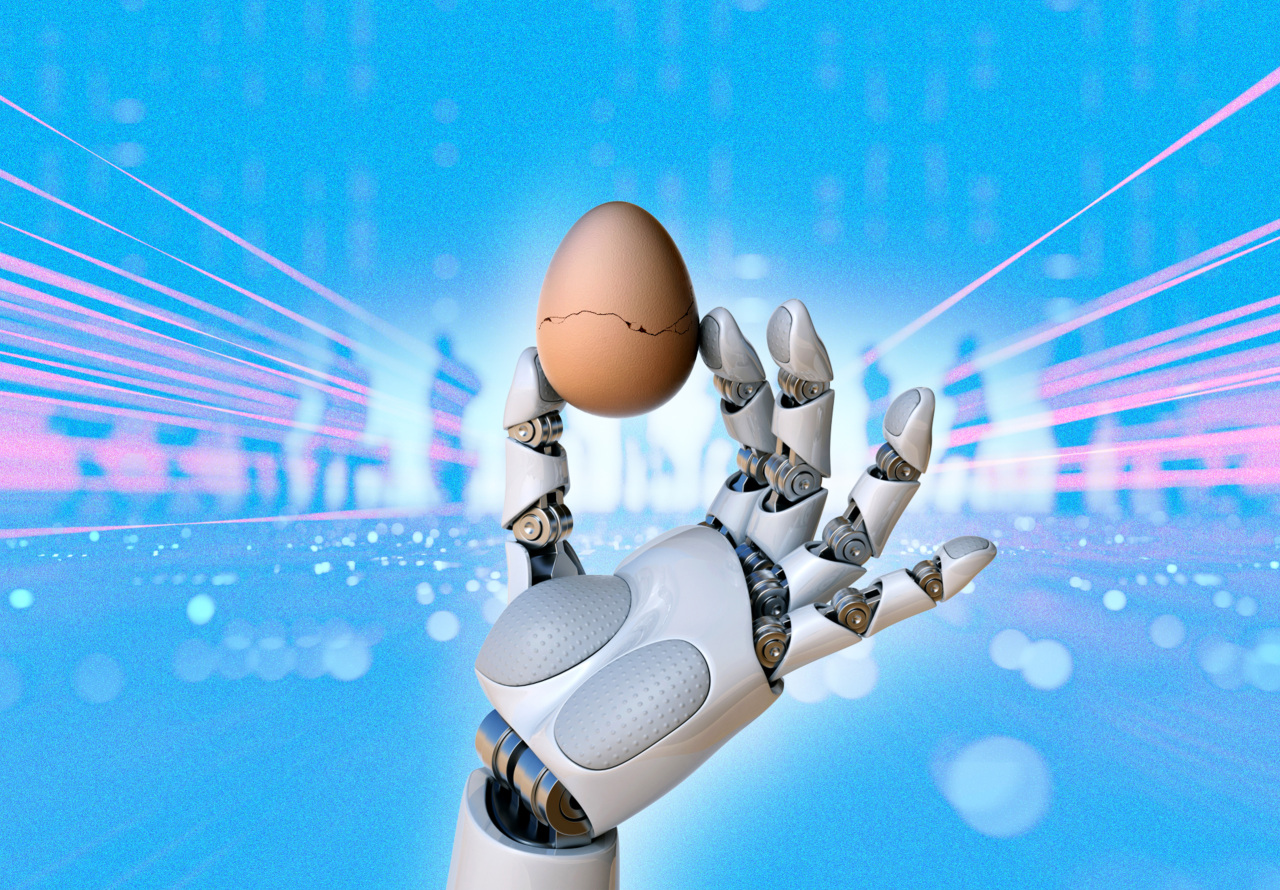
The market for humanoid robots is projected to reach a staggering $5 trillion within the next several years, driven by advancements in artificial intelligence and robotics. However, experts caution that significant enhancements in technology, safety, and public acceptance are necessary before this ambitious forecast can become a reality.
Research from the University of Oxford highlights that the humanoid robot sector is at a pivotal stage. While companies like Boston Dynamics and SoftBank Robotics are making strides in creating robots that closely resemble human movement and behavior, the journey to widespread adoption remains complex and lengthy.
Technological Challenges Ahead
Creating a humanoid robot that can seamlessly integrate into everyday life requires overcoming numerous technical hurdles. For instance, current models still struggle with tasks that humans perform effortlessly, such as navigating unpredictable environments or engaging in complex social interactions.
According to industry analysts, the development of advanced sensors, improved mobility, and enhanced artificial intelligence capabilities is crucial. These improvements would enable humanoid robots to function autonomously in various settings—be it homes, workplaces, or public spaces.
Moreover, safety concerns play a significant role in the public’s acceptance of humanoid robots. The European Union is currently drafting regulations to ensure that robots can operate safely alongside humans. Such measures will likely influence the pace at which these technologies are rolled out.
Market Potential and Future Outlook
Despite the challenges, the potential market for humanoid robots is immense. The growing demand for automation across sectors such as healthcare, manufacturing, and customer service is expected to fuel investments in this area. The United States and Japan are leading the charge, with significant government and private sector funding aimed at research and development.
Experts predict that by 2030, we could see a marked increase in the presence of humanoid robots in daily life, provided that the necessary technological advancements are achieved. The impact of this shift could be profound, potentially transforming industries and altering the way people interact with machines.
In conclusion, while the vision of a world populated by humanoid robots may seem imminent, a multitude of factors must align to make it a reality. As research continues and technology evolves, the next decade will be crucial for determining the trajectory of this burgeoning market.

Urgent Swatting Incident Ties Up Emergency Resources in Alabama

Urgent Tax Alert: Claim Your Deductions Before April 15!

Scientists Investigate Cosmic Defects: Where Are They Now?

Spring Bocce Leagues Open Registration in Rapid City

CALV Offers Essential Communication Class for Real Estate Pros

Samsung Galaxy Watch 9 Set for Larger 435mAh Battery Upgrade

Healthy Choice Wellness Reports Earnings, Stock Sees Uptick

Prince Harry Claims to Be ‘Antidote to Andrew’ Amid Royal Crisis

Pet Owners Weigh Kibble Against Fresh Dog Food Options

ALMA Discovers Companion Orbiting Giant Star π 1 Gruis

U.S. Visa Rescheduling Hits H‐1B Applicants as New Vetting Rules Take Effect

University of Hawaiʻi Joins $25.6M AI Project for Disaster Monitoring

F-22 Raptor vs. Su-57 Felon: A 2025 Fighter Jet Comparison

Recent Divorce Judgments from Iberia Parish Court Records

Ohio State Study Uncovers Brain Connectivity and Function Links

Prince Andrew Faces Fallout from Scandals and Allegations

Urgent: Flight Cancellations Loom at Texas Airports Amid Shutdown

Frank Dunn, Esteemed Builder and Community Leader, Passes Away at 89
-
 Science8 months ago
ALMA Discovers Companion Orbiting Giant Star π 1 Gruis
-
 Politics6 months ago
U.S. Visa Rescheduling Hits H‐1B Applicants as New Vetting Rules Take Effect
-
Science8 months ago
University of Hawaiʻi Joins $25.6M AI Project for Disaster Monitoring
-
 World8 months ago
F-22 Raptor vs. Su-57 Felon: A 2025 Fighter Jet Comparison
-
 Politics8 months ago
Recent Divorce Judgments from Iberia Parish Court Records
-
 Science9 months ago
Ohio State Study Uncovers Brain Connectivity and Function Links
-
 World8 months ago
Prince Andrew Faces Fallout from Scandals and Allegations
-
 Top Stories8 months ago
Urgent: Flight Cancellations Loom at Texas Airports Amid Shutdown
-
 Lifestyle8 months ago
Frank Dunn, Esteemed Builder and Community Leader, Passes Away at 89
-

 Business8 months ago
Appian Recognizes 2025 Partner Award Winners for Enterprise Innovation
-

 Entertainment6 months ago
Malachi Barton Tops Google Searches as Disney’s Rising Star of 2025
-

 Science9 months ago
Innovator Captures Light at 2 Billion Frames Per Second