
Science
Hospitals in England Deploy AI to Reduce Emergency Waiting Times

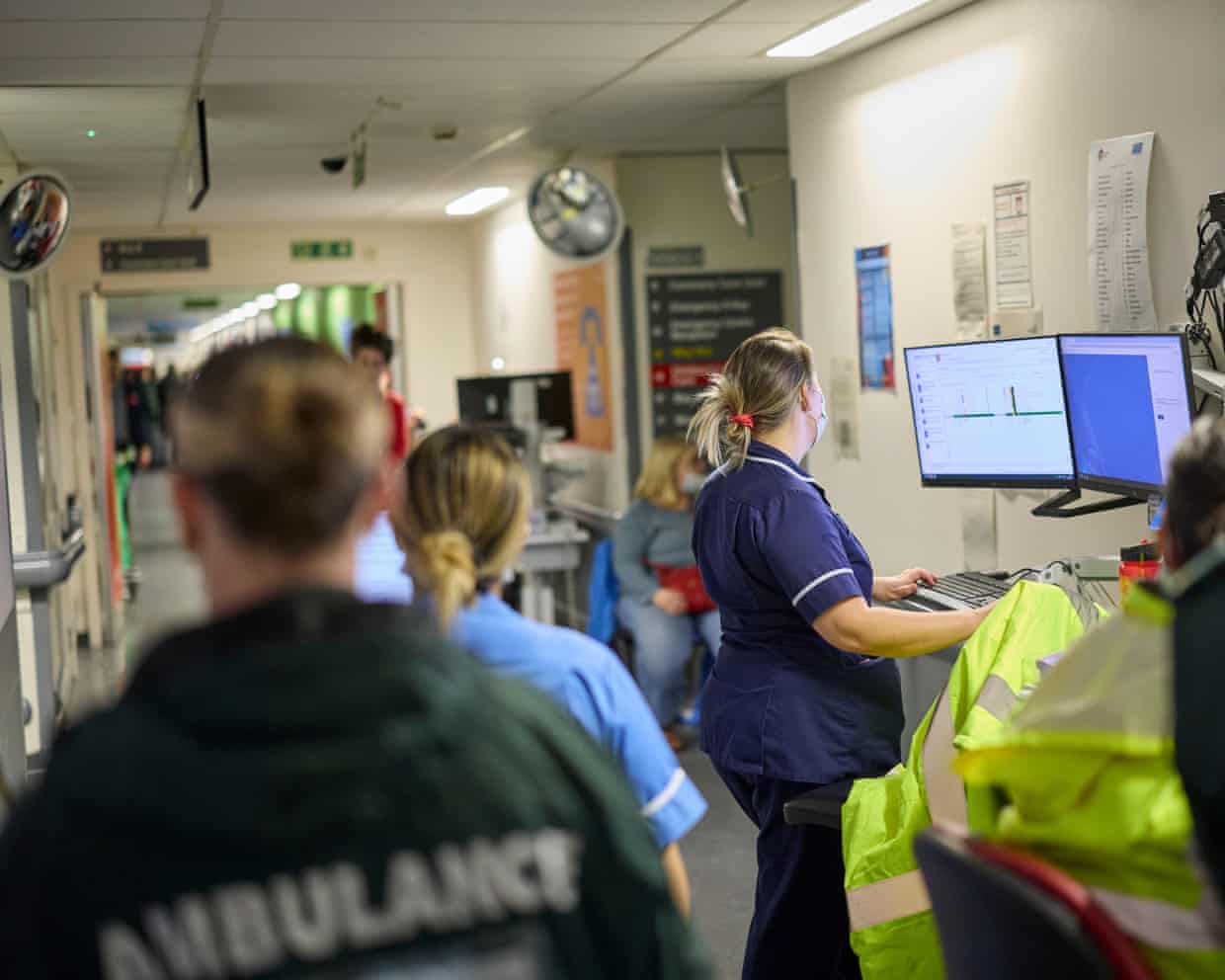
Hospitals across England are implementing artificial intelligence (AI) to address the challenge of long waiting times in emergency departments during the winter months. The newly developed A&E forecasting tool predicts peak demand periods, enabling healthcare trusts to optimize staffing and bed availability effectively.
The forecasting algorithm utilizes historical data, including weather conditions, school holidays, and flu and Covid-19 infection rates, to estimate the number of patients likely to visit A&E. This proactive approach is designed to enhance resource allocation, allowing healthcare professionals to focus on patient care rather than administrative burdens. Ian Murray, the Minister for Digital Government and Data, emphasized the tool’s importance, stating, “The front door of the NHS is the A&E department. You’ve no idea how many people will come through the door…”
Enhancing Operational Efficiency
Murray explained that understanding seasonal trends can greatly assist in planning. For instance, Saturday nights typically see higher patient volumes than Tuesday nights, and winter months are generally busier than summer. By leveraging the forecasting tool, hospitals can deploy additional consultants in specific specialties or increase nursing staff in the departments projected to be busiest.
“There’s potential to see about freeing up beds further down the pipeline, maybe see how you might need to get more people out of the hospital quicker, and free up those beds,” Murray added. This strategic approach aims to ensure that healthcare systems are better prepared for influxes of patients, particularly during challenging conditions like winter.
The A&E forecasting tool is now accessible to all NHS trusts in England. Currently, around 50 NHS organizations are utilizing this technology and are reportedly experiencing significant improvements in managing patient flow. Murray noted that this initiative aligns with the broader goal of modernizing the NHS, stating, “It’s about using the tools to allow clinicians and professionals to do the things that they’re trained to do…”
AI’s Role in Healthcare Transformation
This initiative is part of Keir Starmer’s AI Exemplars programme, highlighting the government’s commitment to innovation in public services. In January 2024, Prime Minister Starmer remarked that artificial intelligence would drive remarkable changes within the country.
Prof. Julian Redhead, the National Clinical Director for Urgent and Emergency Care at NHS England, emphasized the necessity of early and efficient planning during high-demand periods. He stated, “New tech like the AI tool has the potential to make a real difference to the way we manage care for patients.” The integration of AI in this way marks a significant step forward in addressing one of the NHS’s most pressing challenges: ensuring timely care for patients in need.
As hospitals continue to adapt to technological advancements, the expectation is that AI will not only streamline operations but also enhance patient outcomes, ultimately leading to a more efficient healthcare system across England.

Urgent Swatting Incident Ties Up Emergency Resources in Alabama

Urgent Tax Alert: Claim Your Deductions Before April 15!

Scientists Investigate Cosmic Defects: Where Are They Now?

Spring Bocce Leagues Open Registration in Rapid City

CALV Offers Essential Communication Class for Real Estate Pros

Samsung Galaxy Watch 9 Set for Larger 435mAh Battery Upgrade

Healthy Choice Wellness Reports Earnings, Stock Sees Uptick

Prince Harry Claims to Be ‘Antidote to Andrew’ Amid Royal Crisis

Pet Owners Weigh Kibble Against Fresh Dog Food Options

ALMA Discovers Companion Orbiting Giant Star π 1 Gruis

U.S. Visa Rescheduling Hits H‐1B Applicants as New Vetting Rules Take Effect

University of Hawaiʻi Joins $25.6M AI Project for Disaster Monitoring

F-22 Raptor vs. Su-57 Felon: A 2025 Fighter Jet Comparison

Recent Divorce Judgments from Iberia Parish Court Records

Ohio State Study Uncovers Brain Connectivity and Function Links

Prince Andrew Faces Fallout from Scandals and Allegations

Urgent: Flight Cancellations Loom at Texas Airports Amid Shutdown

Frank Dunn, Esteemed Builder and Community Leader, Passes Away at 89
-
 Science8 months ago
ALMA Discovers Companion Orbiting Giant Star π 1 Gruis
-
 Politics6 months ago
U.S. Visa Rescheduling Hits H‐1B Applicants as New Vetting Rules Take Effect
-
Science8 months ago
University of Hawaiʻi Joins $25.6M AI Project for Disaster Monitoring
-
 World8 months ago
F-22 Raptor vs. Su-57 Felon: A 2025 Fighter Jet Comparison
-
 Politics8 months ago
Recent Divorce Judgments from Iberia Parish Court Records
-
 Science9 months ago
Ohio State Study Uncovers Brain Connectivity and Function Links
-
 World8 months ago
Prince Andrew Faces Fallout from Scandals and Allegations
-
 Top Stories8 months ago
Urgent: Flight Cancellations Loom at Texas Airports Amid Shutdown
-
 Lifestyle8 months ago
Frank Dunn, Esteemed Builder and Community Leader, Passes Away at 89
-

 Business8 months ago
Appian Recognizes 2025 Partner Award Winners for Enterprise Innovation
-

 Entertainment6 months ago
Malachi Barton Tops Google Searches as Disney’s Rising Star of 2025
-

 Science9 months ago
Innovator Captures Light at 2 Billion Frames Per Second