
Science
Elon Musk Plans Mass Production of Neuralink Devices by 2026

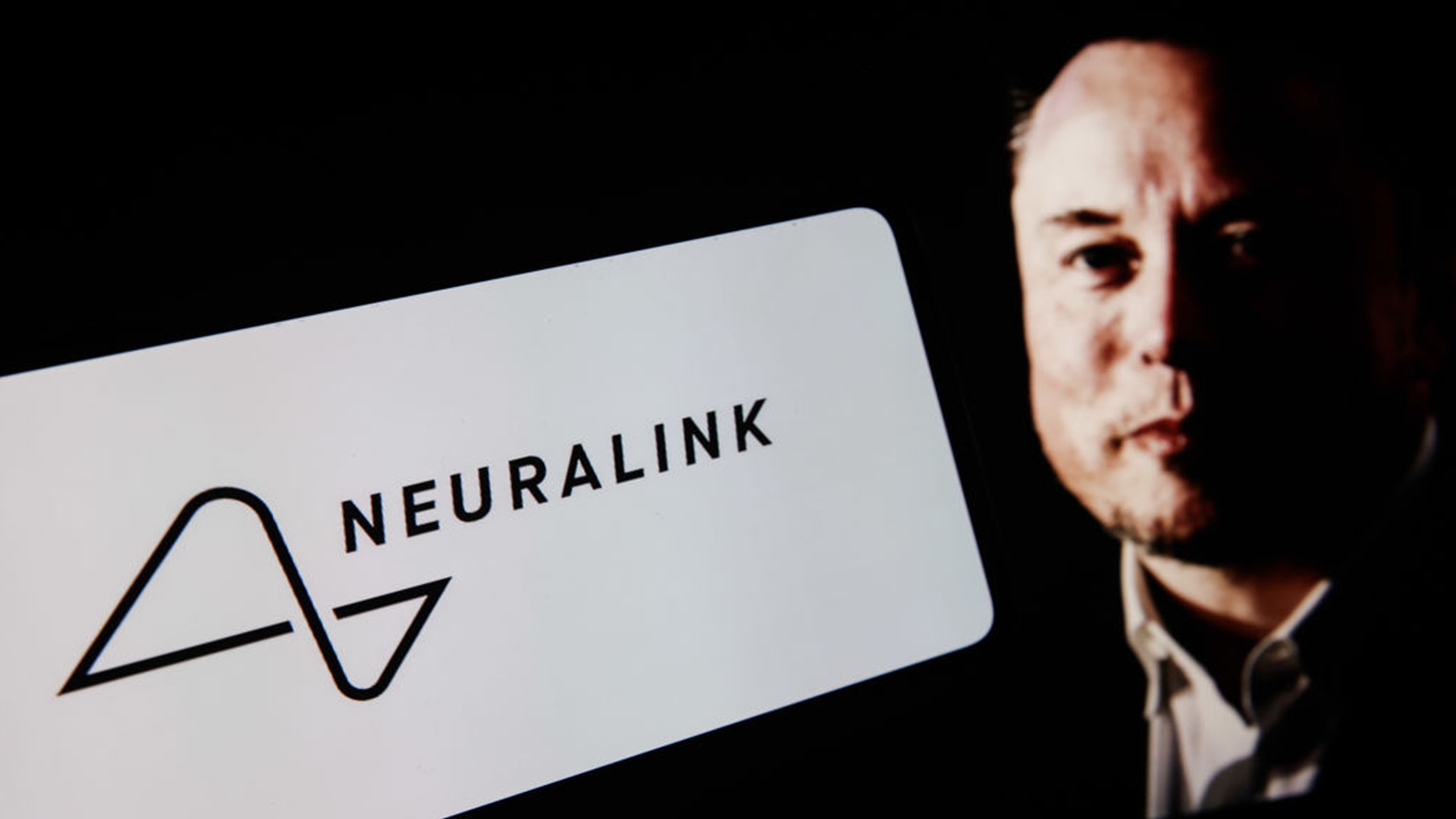
Elon Musk announced that his brain implant company, Neuralink, will commence “high-volume production” of its brain-computer interface devices in 2026. Additionally, the company plans to transition to an almost entirely automated surgical procedure for implanting these devices. This development was shared via Musk’s account on the social media platform X on Wednesday.
The brain implant technology aims to assist individuals with conditions such as spinal cord injuries by facilitating direct interaction with computers. Neuralink’s initial patient has already demonstrated the capability to play video games, browse the internet, and control a laptop cursor using the implant. Following human trials initiated in 2024, the company addressed safety concerns raised by the U.S. Food and Drug Administration (FDA), which had rejected its application in 2022.
Neuralink Advances and Future Plans
Neuralink has reported that twelve patients worldwide suffering from severe paralysis have received the implants, enabling them to control digital and physical tools using only their thoughts. The upcoming production will streamline the surgical process, allowing device threads to penetrate the dura mater without removal.
In June, Neuralink successfully raised $650 million in funding, further supporting its ambitious plans. The scale-up of production aligns with Musk’s broader vision for 2026, which includes various projects across his companies, such as advancements in space exploration, artificial intelligence, and urban transportation.
Expanding Musk’s Technological Horizons
In the realm of space, SpaceX is preparing for the launch of its first Starship V3 spacecraft in 2026. This upgraded vehicle will feature the new Raptor V3 engine and is expected to conduct propellant transfer tests in orbit, a capability that could facilitate future missions to the Moon and Mars. SpaceX is also set to deploy Starlink V3 satellites designed to enhance internet connectivity.
Neuralink is also making strides in cognitive enhancement. The company’s Blindsight implant, aimed at restoring vision for individuals who are completely blind, is scheduled for its first patient trial in 2026. This innovative brain-computer interface utilizes ultra-fine threads to stimulate the visual cortex, generating perceptions of light and shapes.
In urban transportation, Musk’s Boring Company aims to open the first section of its Nashville Loop in spring 2026. This underground transit system will connect downtown Nashville, the Convention Center, and Nashville International Airport, offering an eight-minute travel time and promoting zero-emission transportation to alleviate surface traffic congestion.
Additionally, Tesla plans to ramp up production in 2026, starting with the Cybercab in April, alongside mass production of the Tesla Semi and Optimus Gen 3 humanoid robots. The company also intends to launch its Full Self-Driving feature in unsupervised mode and expand energy storage operations with new Megapack and Megablock systems.
In the field of artificial intelligence, Musk’s startup xAI is enhancing its Colossus supercomputer cluster in Memphis, Tennessee, by acquiring additional facilities to increase its training capacity to nearly two gigawatts. Alongside this, the social media platform X is considering increasing creator payouts to compete with platforms like YouTube, aiming to retain original content creators.
These initiatives underscore Musk’s commitment to advancing multiple technology sectors simultaneously, positioning 2026 as a pivotal year for his array of companies.

Urgent Swatting Incident Ties Up Emergency Resources in Alabama

Urgent Tax Alert: Claim Your Deductions Before April 15!

Scientists Investigate Cosmic Defects: Where Are They Now?

Spring Bocce Leagues Open Registration in Rapid City

CALV Offers Essential Communication Class for Real Estate Pros

Samsung Galaxy Watch 9 Set for Larger 435mAh Battery Upgrade

Healthy Choice Wellness Reports Earnings, Stock Sees Uptick

Prince Harry Claims to Be ‘Antidote to Andrew’ Amid Royal Crisis

Pet Owners Weigh Kibble Against Fresh Dog Food Options

ALMA Discovers Companion Orbiting Giant Star π 1 Gruis

U.S. Visa Rescheduling Hits H‐1B Applicants as New Vetting Rules Take Effect

University of Hawaiʻi Joins $25.6M AI Project for Disaster Monitoring

F-22 Raptor vs. Su-57 Felon: A 2025 Fighter Jet Comparison

Recent Divorce Judgments from Iberia Parish Court Records

Ohio State Study Uncovers Brain Connectivity and Function Links

Prince Andrew Faces Fallout from Scandals and Allegations

Urgent: Flight Cancellations Loom at Texas Airports Amid Shutdown

Frank Dunn, Esteemed Builder and Community Leader, Passes Away at 89
-
 Science8 months ago
ALMA Discovers Companion Orbiting Giant Star π 1 Gruis
-
 Politics6 months ago
U.S. Visa Rescheduling Hits H‐1B Applicants as New Vetting Rules Take Effect
-
Science8 months ago
University of Hawaiʻi Joins $25.6M AI Project for Disaster Monitoring
-
 World8 months ago
F-22 Raptor vs. Su-57 Felon: A 2025 Fighter Jet Comparison
-
 Politics8 months ago
Recent Divorce Judgments from Iberia Parish Court Records
-
 Science9 months ago
Ohio State Study Uncovers Brain Connectivity and Function Links
-
 World8 months ago
Prince Andrew Faces Fallout from Scandals and Allegations
-
 Top Stories8 months ago
Urgent: Flight Cancellations Loom at Texas Airports Amid Shutdown
-
 Lifestyle8 months ago
Frank Dunn, Esteemed Builder and Community Leader, Passes Away at 89
-

 Business8 months ago
Appian Recognizes 2025 Partner Award Winners for Enterprise Innovation
-

 Entertainment6 months ago
Malachi Barton Tops Google Searches as Disney’s Rising Star of 2025
-

 Science9 months ago
Innovator Captures Light at 2 Billion Frames Per Second