
Politics
China and Russia Rally Behind Maduro, Condemn U.S. Sanctions

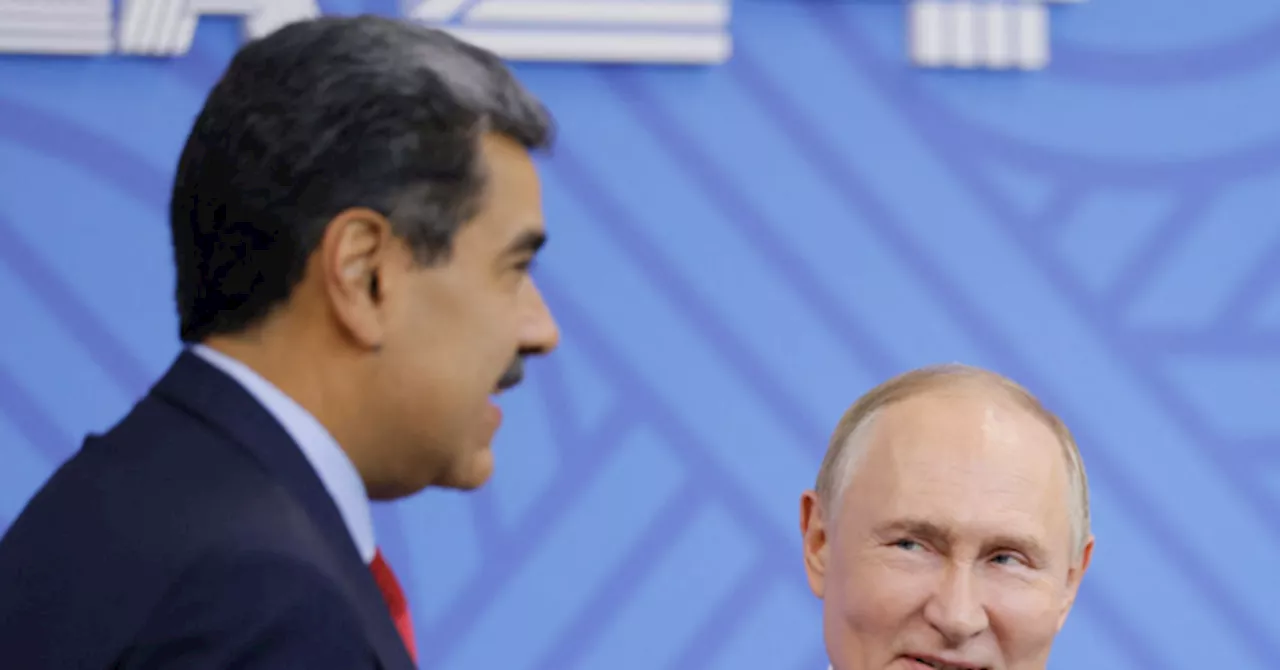
China and Russia have expressed strong support for the Venezuelan government led by Nicolás Maduro, criticizing recent sanctions imposed by the United States. These actions have heightened tensions between the nations, particularly as the U.S. intensifies its efforts to curb Venezuela’s oil exports and combat alleged narco-terrorism.
In a series of statements, officials from both countries condemned U.S. President Donald Trump for his administration’s measures, including a blockade targeting Venezuelan oil. Wang Yi, China’s Foreign Minister, emphasized the importance of Venezuela as a strategic partner during a phone call with Venezuelan Foreign Minister Yván Gil. Wang labeled U.S. actions as “bullying” and asserted that the “international community understands and supports Venezuela’s position.”
The Russian government echoed these sentiments, warning the U.S. against further actions that could destabilize the Maduro regime. A spokesperson from the Russian Foreign Ministry cautioned that targeting Venezuela might lead to “fatal mistakes,” urging the U.S. to reconsider its approach.
Venezuela has been under scrutiny for multiple allegations, including human rights abuses and involvement in drug trafficking. The Maduro administration has faced increasing pressure since the death of former President Hugo Chávez in 2013, during which time the country has experienced significant political and economic turmoil.
On March 15, 2024, President Trump reiterated his commitment to challenge the Maduro regime, announcing a total blockade of Venezuelan oil exports. He stated on his social media platform, Truth Social, that the Venezuelan regime has been designated as a “FOREIGN TERRORIST ORGANIZATION.” Trump’s declaration included a warning to the Venezuelan government about the consequences of its actions, claiming, “The shock to them will be like nothing they have ever seen.”
The United States has been increasingly active in the Caribbean, conducting operations aimed at disrupting drug trafficking activities linked to the Venezuelan military. These measures are part of a broader strategy to protect American interests in the region, particularly in light of Venezuela’s significant oil reserves.
In response to the U.S. blockade, Maduro’s administration has reportedly ordered its navy to escort oil tankers, a move aimed at defying American military actions. While the Venezuelan government has not officially confirmed this information, it has called for an emergency meeting of the U.N. Security Council to address what it describes as violations of its sovereignty.
In a letter to the Security Council, Gil asserted that the U.S. is undermining Venezuela’s national sovereignty and independence, principles that he claims are enshrined in the U.N. Charter. He stated, “The President of the United States is violating with impunity our national sovereignty and territorial integrity.”
During the phone conversation with Gil, Wang reiterated China’s support for Venezuela’s right to develop mutually beneficial relationships with other nations. He stated, “China opposes all forms of unilateral bullying and supports countries in safeguarding their sovereignty.”
The diplomatic engagement from both China and Russia indicates a strategic alignment with Venezuela amid escalating tensions with the U.S. The Russian Foreign Ministry’s recent statements have shifted from earlier, more aggressive rhetoric to a call for normalization between the two nations, suggesting a desire for stability in the region.
While the situation remains fluid, the increasing involvement of China and Russia in Venezuelan affairs highlights the geopolitical complexities at play, as these nations seek to challenge U.S. influence in Latin America. As the situation develops, the implications for both regional security and international relations will be closely monitored.

Urgent Swatting Incident Ties Up Emergency Resources in Alabama

Urgent Tax Alert: Claim Your Deductions Before April 15!

Scientists Investigate Cosmic Defects: Where Are They Now?

Spring Bocce Leagues Open Registration in Rapid City

CALV Offers Essential Communication Class for Real Estate Pros

Samsung Galaxy Watch 9 Set for Larger 435mAh Battery Upgrade

Healthy Choice Wellness Reports Earnings, Stock Sees Uptick

Prince Harry Claims to Be ‘Antidote to Andrew’ Amid Royal Crisis

Pet Owners Weigh Kibble Against Fresh Dog Food Options

ALMA Discovers Companion Orbiting Giant Star π 1 Gruis

U.S. Visa Rescheduling Hits H‐1B Applicants as New Vetting Rules Take Effect

University of Hawaiʻi Joins $25.6M AI Project for Disaster Monitoring

F-22 Raptor vs. Su-57 Felon: A 2025 Fighter Jet Comparison

Recent Divorce Judgments from Iberia Parish Court Records

Ohio State Study Uncovers Brain Connectivity and Function Links

Prince Andrew Faces Fallout from Scandals and Allegations

Urgent: Flight Cancellations Loom at Texas Airports Amid Shutdown

Frank Dunn, Esteemed Builder and Community Leader, Passes Away at 89
-
 Science8 months ago
ALMA Discovers Companion Orbiting Giant Star π 1 Gruis
-
 Politics6 months ago
U.S. Visa Rescheduling Hits H‐1B Applicants as New Vetting Rules Take Effect
-
Science8 months ago
University of Hawaiʻi Joins $25.6M AI Project for Disaster Monitoring
-
 World8 months ago
F-22 Raptor vs. Su-57 Felon: A 2025 Fighter Jet Comparison
-
 Politics8 months ago
Recent Divorce Judgments from Iberia Parish Court Records
-
 Science9 months ago
Ohio State Study Uncovers Brain Connectivity and Function Links
-
 World8 months ago
Prince Andrew Faces Fallout from Scandals and Allegations
-
 Top Stories8 months ago
Urgent: Flight Cancellations Loom at Texas Airports Amid Shutdown
-
 Lifestyle8 months ago
Frank Dunn, Esteemed Builder and Community Leader, Passes Away at 89
-

 Business8 months ago
Appian Recognizes 2025 Partner Award Winners for Enterprise Innovation
-

 Entertainment6 months ago
Malachi Barton Tops Google Searches as Disney’s Rising Star of 2025
-

 Science9 months ago
Innovator Captures Light at 2 Billion Frames Per Second