
Health
New Guidelines Offer At-Home HPV Tests as Pap Smear Alternative

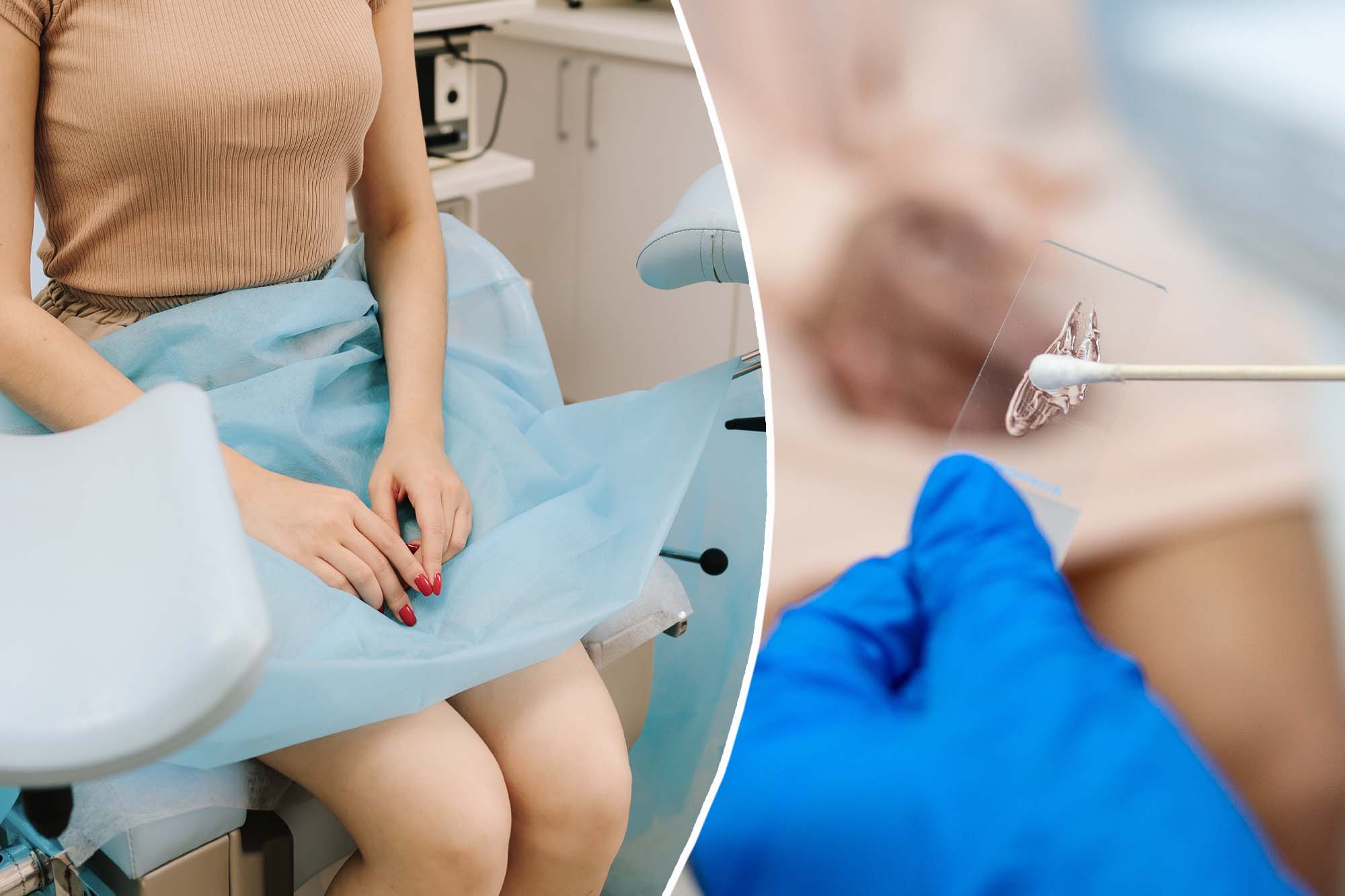
Recent changes to federal guidelines in the United States now allow women aged 30 to 65 to opt for at-home screening for cervical cancer, potentially replacing the traditional Pap smear. This shift aims to enhance accessibility and comfort for women who may find annual examinations uncomfortable or unappealing. The new approach, recommended by the Health Resources and Services Administration (HRSA), focuses on self-administered tests for detecting human papillomavirus (HPV), a virus linked to cervical cancer. Each year, more than 4,000 lives are lost to this preventable disease.
Expanded Screening Options for Women
The HRSA’s updated guidelines suggest that women with an average risk of cervical cancer can choose to perform a self-swab HPV test instead of undergoing a Pap smear. This self-testing option could become covered by insurance starting in 2027, as preventive screenings mandated by HRSA are required to be included in most insurance plans.
Research indicates that HPV tests are more effective than Pap smears at identifying abnormal cervical cells. The FDA’s approval of the Teal Wand, the first at-home cervical cancer test developed by Teal Health, adds to the growing array of options for women. According to Kara Egan, co-founder and CEO of Teal Health, this innovation could improve screening rates, particularly since currently 1 in 4 women do not receive regular screenings due to various barriers.
How Self-Administered Tests Work
The self-swab test resembles a tampon applicator, featuring a plastic tube designed to collect cervical cells. This method offers a less invasive alternative to the traditional metal speculum used in Pap smears, which many women find uncomfortable. The FDA had previously approved two self-swab tests in 2024 that could be utilized in healthcare facilities, further demonstrating a trend toward more patient-friendly options.
In December 2023, the American Cancer Society updated its guidelines to support the use of self-swab HPV tests for women aged 25 to 65. These changes reflect an increasing recognition of the need for accessible and comfortable screening methods.
Despite advancements in screening options, cervical cancer rates continue to rise, particularly among women in their early 30s and 40s. Current recommendations state that women aged 30 to 65 should have an HPV test every five years. If HPV testing is not accessible, a Pap smear can be conducted every three years. For women under 30, Pap smears should be performed every three years as well.
The evolution of cervical cancer screening underscores the importance of early detection and prevention. With the new guidelines, women can take greater control over their health while reducing the discomfort often associated with traditional examinations.

Urgent Swatting Incident Ties Up Emergency Resources in Alabama

Urgent Tax Alert: Claim Your Deductions Before April 15!

Scientists Investigate Cosmic Defects: Where Are They Now?

Spring Bocce Leagues Open Registration in Rapid City

CALV Offers Essential Communication Class for Real Estate Pros

Samsung Galaxy Watch 9 Set for Larger 435mAh Battery Upgrade

Healthy Choice Wellness Reports Earnings, Stock Sees Uptick

Prince Harry Claims to Be ‘Antidote to Andrew’ Amid Royal Crisis

Pet Owners Weigh Kibble Against Fresh Dog Food Options

ALMA Discovers Companion Orbiting Giant Star π 1 Gruis

U.S. Visa Rescheduling Hits H‐1B Applicants as New Vetting Rules Take Effect

University of Hawaiʻi Joins $25.6M AI Project for Disaster Monitoring

F-22 Raptor vs. Su-57 Felon: A 2025 Fighter Jet Comparison

Recent Divorce Judgments from Iberia Parish Court Records

Ohio State Study Uncovers Brain Connectivity and Function Links

Prince Andrew Faces Fallout from Scandals and Allegations

Urgent: Flight Cancellations Loom at Texas Airports Amid Shutdown

Frank Dunn, Esteemed Builder and Community Leader, Passes Away at 89
-
 Science8 months ago
ALMA Discovers Companion Orbiting Giant Star π 1 Gruis
-
 Politics6 months ago
U.S. Visa Rescheduling Hits H‐1B Applicants as New Vetting Rules Take Effect
-
Science8 months ago
University of Hawaiʻi Joins $25.6M AI Project for Disaster Monitoring
-
 World8 months ago
F-22 Raptor vs. Su-57 Felon: A 2025 Fighter Jet Comparison
-
 Politics8 months ago
Recent Divorce Judgments from Iberia Parish Court Records
-
 Science9 months ago
Ohio State Study Uncovers Brain Connectivity and Function Links
-
 World8 months ago
Prince Andrew Faces Fallout from Scandals and Allegations
-
 Top Stories8 months ago
Urgent: Flight Cancellations Loom at Texas Airports Amid Shutdown
-
 Lifestyle8 months ago
Frank Dunn, Esteemed Builder and Community Leader, Passes Away at 89
-

 Business8 months ago
Appian Recognizes 2025 Partner Award Winners for Enterprise Innovation
-

 Entertainment6 months ago
Malachi Barton Tops Google Searches as Disney’s Rising Star of 2025
-

 Science9 months ago
Innovator Captures Light at 2 Billion Frames Per Second