
Business
Wegmans Faces Consumer Backlash Over Facial Recognition Use

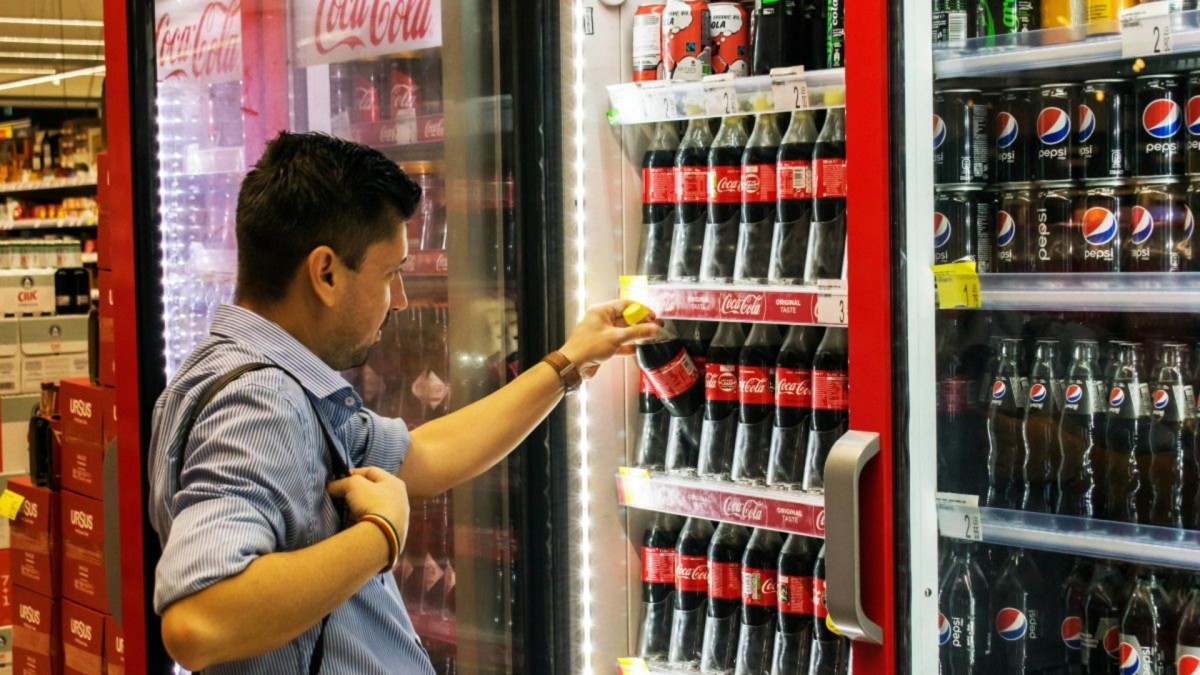
A growing number of shoppers are expressing their discontent with Wegmans following the supermarket chain’s implementation of facial recognition technology in its stores. Customers in Brooklyn and Manhattan were surprised to discover signs indicating that the technology is employed to enhance security for patrons and employees. This decision has sparked significant backlash among consumers who are wary of privacy implications.
Many customers have taken to social media to voice their concerns. One Reddit user shared their mixed feelings, stating, “I’m not particularly fond of this kind of tech, but I understand why it’s being used.” This sentiment highlights a division among shoppers, with some recognizing the potential safety benefits while others remain skeptical of surveillance measures.
In response to the uproar, Wegmans issued a public statement clarifying its position. The company emphasized that the facial recognition system is designed solely for security purposes, stating, “This technology is solely used for keeping our stores secure and safe.” They further explained that the system collects facial recognition data specifically to identify individuals previously flagged for misconduct, while assuring customers that no other biometric data, such as retinal scans or voice prints, is collected. Images and videos are retained only as long as necessary for security and are disposed of thereafter.
Facial Recognition Technology in Retail
Wegmans is not alone in adopting facial recognition technology; other major retailers, including Walmart, Kroger, and Home Depot, have also integrated similar systems, as indicated in their privacy policies. However, the transparency of these policies varies significantly among retailers. According to Jeramie Scott, senior counsel at the Electronic Privacy Information Center, “A lot of the facial recognition technology is happening without our knowledge.” He pointed out that there is no clear legal framework addressing the use of biometrics, especially facial recognition, leaving consumers vulnerable to potential misuse.
The heightened use of this technology comes in response to a reported 18% increase in shoplifting incidents across the industry from 2023 to 2024, as reported by the National Retail Federation. Retailers are increasingly seeking proactive measures to mitigate theft, which, according to Pete Bacol, Director of Sales at Pavion, allows them to shift from reactive to proactive security strategies.
Concerns Over Consumer Rights
Despite the purported benefits of facial recognition technology, there are significant concerns regarding consumer rights and privacy. Jay Stanley, a senior policy analyst at the American Civil Liberties Union, cautioned that the technology is still not fully reliable, stating, “People have been wrongly arrested because of this technology. It’s really not ready for prime time.”
Nonetheless, demand for facial recognition is reportedly on the rise. Dan Merkle, CEO of FaceFirst, noted that their technology is currently used by approximately 25% of the largest retailers in North America. As retailers continue to adopt these systems, the question remains whether consumers will have a say in how their personal data is handled or if such measures will become the norm, regardless of public sentiment.
As the conversation around privacy and security in retail evolves, the reactions of shoppers will likely influence how companies implement these technologies moving forward. The balance between safety and personal privacy continues to be a critical issue in the age of surveillance.

Urgent Swatting Incident Ties Up Emergency Resources in Alabama

Urgent Tax Alert: Claim Your Deductions Before April 15!

Scientists Investigate Cosmic Defects: Where Are They Now?

Spring Bocce Leagues Open Registration in Rapid City

CALV Offers Essential Communication Class for Real Estate Pros

Samsung Galaxy Watch 9 Set for Larger 435mAh Battery Upgrade

Healthy Choice Wellness Reports Earnings, Stock Sees Uptick

Prince Harry Claims to Be ‘Antidote to Andrew’ Amid Royal Crisis

Pet Owners Weigh Kibble Against Fresh Dog Food Options

ALMA Discovers Companion Orbiting Giant Star π 1 Gruis

U.S. Visa Rescheduling Hits H‐1B Applicants as New Vetting Rules Take Effect

University of Hawaiʻi Joins $25.6M AI Project for Disaster Monitoring

F-22 Raptor vs. Su-57 Felon: A 2025 Fighter Jet Comparison

Recent Divorce Judgments from Iberia Parish Court Records

Ohio State Study Uncovers Brain Connectivity and Function Links

Prince Andrew Faces Fallout from Scandals and Allegations

Urgent: Flight Cancellations Loom at Texas Airports Amid Shutdown

Frank Dunn, Esteemed Builder and Community Leader, Passes Away at 89
-
 Science8 months ago
ALMA Discovers Companion Orbiting Giant Star π 1 Gruis
-
 Politics6 months ago
U.S. Visa Rescheduling Hits H‐1B Applicants as New Vetting Rules Take Effect
-
Science8 months ago
University of Hawaiʻi Joins $25.6M AI Project for Disaster Monitoring
-
 World8 months ago
F-22 Raptor vs. Su-57 Felon: A 2025 Fighter Jet Comparison
-
 Politics8 months ago
Recent Divorce Judgments from Iberia Parish Court Records
-
 Science9 months ago
Ohio State Study Uncovers Brain Connectivity and Function Links
-
 World8 months ago
Prince Andrew Faces Fallout from Scandals and Allegations
-
 Top Stories8 months ago
Urgent: Flight Cancellations Loom at Texas Airports Amid Shutdown
-
 Lifestyle8 months ago
Frank Dunn, Esteemed Builder and Community Leader, Passes Away at 89
-

 Business8 months ago
Appian Recognizes 2025 Partner Award Winners for Enterprise Innovation
-

 Entertainment6 months ago
Malachi Barton Tops Google Searches as Disney’s Rising Star of 2025
-

 Science9 months ago
Innovator Captures Light at 2 Billion Frames Per Second