
Business
California Revives EV Rebates with $200 Million Incentive Plan

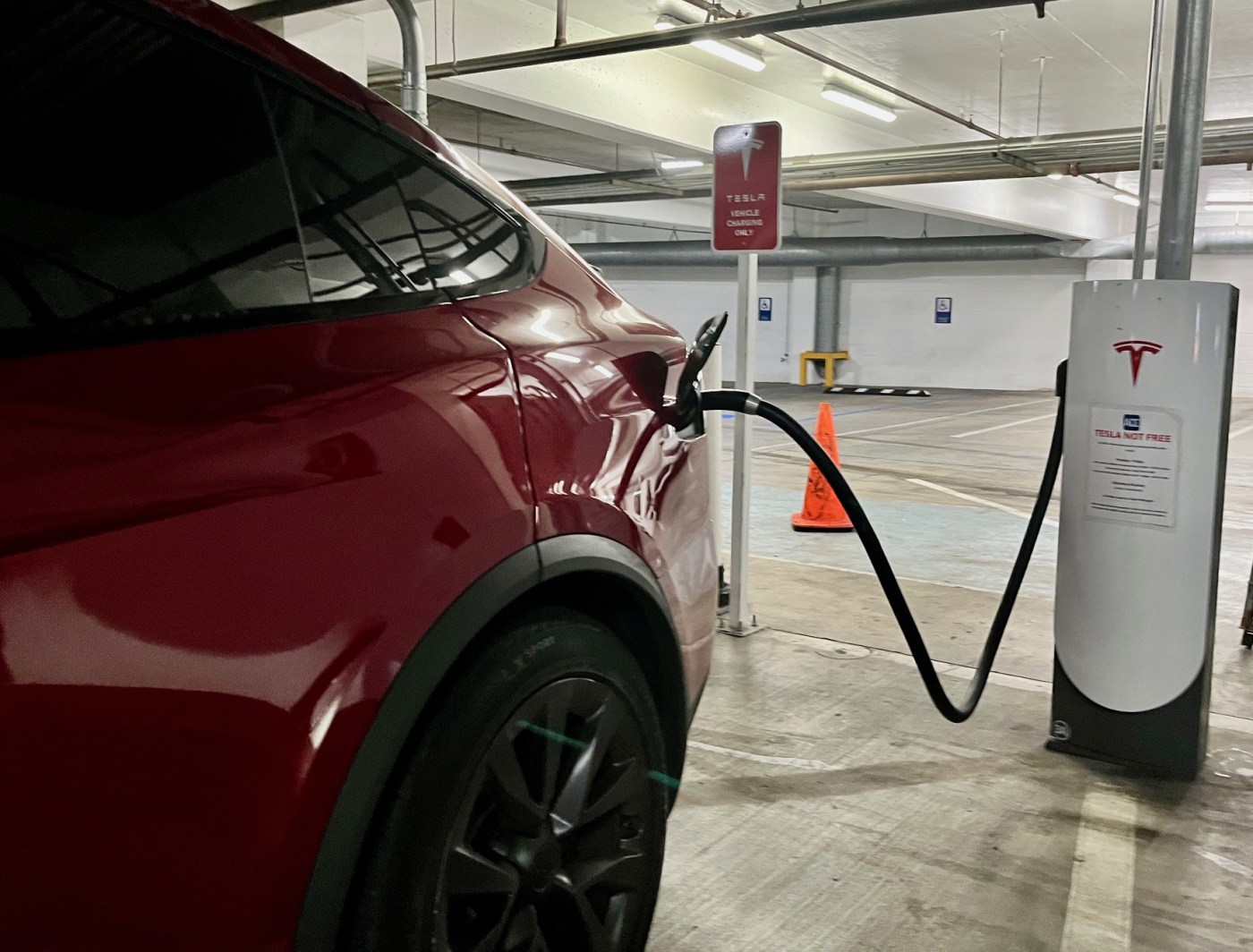
California’s Governor Gavin Newsom has announced a significant revival of the state’s zero-emission vehicle rebate program, allocating $200 million to incentivize the purchase of electric vehicles (EVs). The new plan includes a dollar-for-dollar match between the state and participating automakers and extends eligibility to used vehicles. However, the proposed incentives will be limited to first-time buyers.
On March 12, 2024, the Newsom administration released details tied to the annual state budget through a trailer bill. The California Air Resources Board will establish grant agreements with automakers to provide point-of-sale incentives aimed at boosting consumer interest in light-duty passenger electric vehicles. Automakers participating in the program will match the state’s contributions, enhancing affordability for buyers.
Incentives will also apply to used EVs, although they will only be available for purchases, not leases. The program will focus on vehicles priced at or below the manufacturer’s suggested retail price (MSRP) benchmarks set forth by the federal 2022 Inflation Reduction Act. These caps include $55,000 for new passenger vehicles, $80,000 for vans, SUVs, and pickup trucks, and $25,000 for used cars. All vehicles must be registered to California residents.
While the specific dollar amounts for the incentives are yet to be finalized, the Air Resources Board plans to hold a workshop in spring 2024 to gather input from stakeholders. Approval from the California Legislature is necessary for the proposal to take effect, but Democrats currently hold a supermajority in the Statehouse, suggesting a favorable outcome is likely. The state legislature is constitutionally required to pass a budget bill by June 15 each year, although trailer bills can follow later.
The revival of California’s rebate program comes in the wake of the elimination of federal tax credits for EVs. Last summer, the 940-page federal budget legislation known as the “One Big Beautiful Bill” removed tax incentives of up to $7,500 for new EV purchases and $4,000 for used ones, effective from September 30, 2025.
Sarah Swig, senior climate adviser to Newsom, stated, “California is proud to partner with automakers who are committed to the transition to a zero-emission future through shared investment to keep costs down and drive the market forward.” This sentiment reflects a broader strategy to maintain California’s leadership in the clean vehicle market amidst national policy shifts.
Brian Maas, president of the California New Car Dealers Association, expressed support for the matching fund concept but raised concerns about the longevity of the funding. He pointed out that the $200 million may not stretch far enough to cover the demand, as California sells several hundred thousand EVs annually. Maas remarked, “The challenge… is the $200 million probably isn’t going to go very far if you include all new and used EVs.”
While attending the World Economic Forum in Davos, Switzerland, Newsom emphasized California’s commitment to keeping American manufacturers competitive in the global EV market. He stated, “While Washington now cedes the global clean vehicle market to China, California is ensuring American workers and manufacturers can compete and win in the industries that will define this century.”
Opponents of the proposal, such as California Senate Minority Leader Brian Jones, criticize the timing and rationale behind the initiative. Jones described the move as an attempt by Newsom to push Californians towards electric vehicles ahead of a potential presidential run, referring to it as “spending $200 million more in the middle of a $35 billion budget crisis.”
A recent report from the Legislative Analyst’s Office predicts a budget shortfall of nearly $18 billion for the 2026-27 fiscal year, with structural deficits potentially increasing to around $35 billion in subsequent years.
The Environmental Defense Fund praised the proposed incentives, stating that such measures will make clean cars more affordable, reduce pollution, stimulate innovation, and enhance the competitiveness of the U.S. auto industry. Peter Zalzal, vice president of clean air strategies at the organization, noted, “This can-do proposal will make clean cars more affordable, saving families money and cutting harmful pollution.”
California previously operated the Clean Vehicle Rebate Project, which provided substantial rebates for EVs, plug-in hybrids, and hydrogen fuel-cell vehicles. This program was discontinued in late 2023 due to a funding shortfall attributed to increased EV adoption and declining gas tax revenues, which jeopardized state road repair funding.
As it stands, California has more zero-emission vehicles on its roads than any other state, with cumulative sales surpassing 2.55 million since the end of 2019. As the state moves forward with its new incentive plan, the focus will remain on balancing environmental goals with fiscal realities.

Urgent Swatting Incident Ties Up Emergency Resources in Alabama

Urgent Tax Alert: Claim Your Deductions Before April 15!

Scientists Investigate Cosmic Defects: Where Are They Now?

Spring Bocce Leagues Open Registration in Rapid City

CALV Offers Essential Communication Class for Real Estate Pros

Samsung Galaxy Watch 9 Set for Larger 435mAh Battery Upgrade

Healthy Choice Wellness Reports Earnings, Stock Sees Uptick

Prince Harry Claims to Be ‘Antidote to Andrew’ Amid Royal Crisis

Pet Owners Weigh Kibble Against Fresh Dog Food Options

ALMA Discovers Companion Orbiting Giant Star π 1 Gruis

U.S. Visa Rescheduling Hits H‐1B Applicants as New Vetting Rules Take Effect

University of Hawaiʻi Joins $25.6M AI Project for Disaster Monitoring

F-22 Raptor vs. Su-57 Felon: A 2025 Fighter Jet Comparison

Recent Divorce Judgments from Iberia Parish Court Records

Ohio State Study Uncovers Brain Connectivity and Function Links

Prince Andrew Faces Fallout from Scandals and Allegations

Urgent: Flight Cancellations Loom at Texas Airports Amid Shutdown

Frank Dunn, Esteemed Builder and Community Leader, Passes Away at 89
-
 Science8 months ago
ALMA Discovers Companion Orbiting Giant Star π 1 Gruis
-
 Politics6 months ago
U.S. Visa Rescheduling Hits H‐1B Applicants as New Vetting Rules Take Effect
-
Science8 months ago
University of Hawaiʻi Joins $25.6M AI Project for Disaster Monitoring
-
 World8 months ago
F-22 Raptor vs. Su-57 Felon: A 2025 Fighter Jet Comparison
-
 Politics8 months ago
Recent Divorce Judgments from Iberia Parish Court Records
-
 Science9 months ago
Ohio State Study Uncovers Brain Connectivity and Function Links
-
 World8 months ago
Prince Andrew Faces Fallout from Scandals and Allegations
-
 Top Stories8 months ago
Urgent: Flight Cancellations Loom at Texas Airports Amid Shutdown
-
 Lifestyle8 months ago
Frank Dunn, Esteemed Builder and Community Leader, Passes Away at 89
-

 Business8 months ago
Appian Recognizes 2025 Partner Award Winners for Enterprise Innovation
-

 Entertainment6 months ago
Malachi Barton Tops Google Searches as Disney’s Rising Star of 2025
-

 Science9 months ago
Innovator Captures Light at 2 Billion Frames Per Second