
Top Stories
Supreme Court to Rule on Bayer’s Roundup Cancer Lawsuits

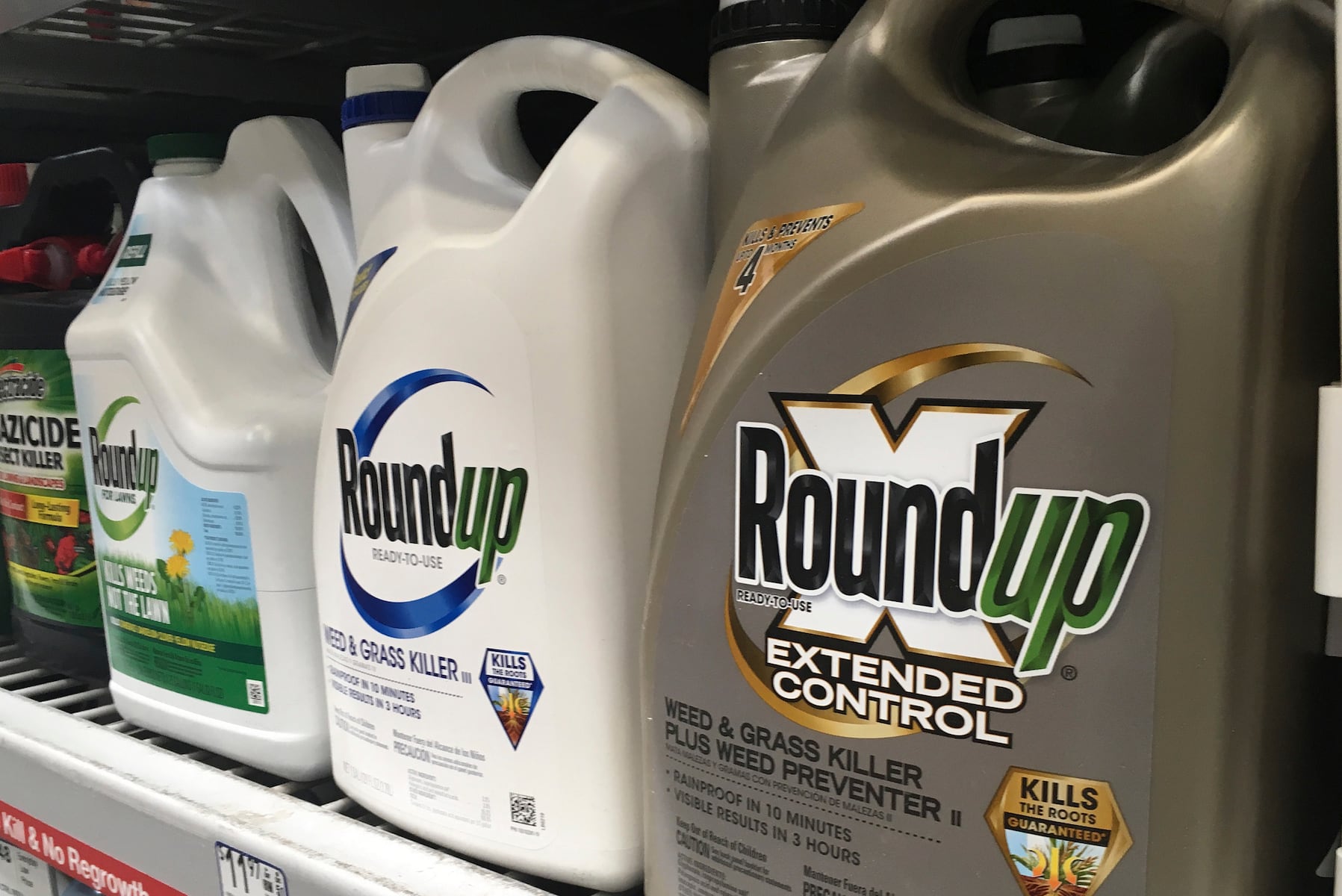
BREAKING: The Supreme Court has agreed to hear a crucial appeal from Bayer, challenging thousands of lawsuits claiming its widely used weedkiller, Roundup, causes cancer. This landmark decision could reshape the future of agricultural chemical regulations and user safety.
On Friday, the justices confirmed they will consider whether the Environmental Protection Agency (EPA)’s approval of Roundup without a cancer warning negates state-level claims against Bayer. This urgent case highlights the ongoing conflict between federal and state regulations regarding public health.
Bayer, which acquired Roundup maker Monsanto in 2018, faces a staggering 181,000 claims primarily from residential users, with significant financial implications. The company has already set aside $16 billion to settle these lawsuits, reflecting the severity of the allegations linked to Roundup’s key ingredient, glyphosate.
One pivotal case under consideration involves a jury awarding $1.25 million to a St. Louis man diagnosed with non-Hodgkin’s lymphoma after using Roundup on a community garden. This ruling has raised concerns among environmental advocates, who argue that the high court’s involvement may deprive many cancer sufferers of their opportunity for justice.
“It’s a sad day in America when our highest court agrees to consider depriving thousands of Roundup users suffering from cancer of their day in court,” said Lori Ann Burd, environmental health director at the Center for Biological Diversity.
In a surprising twist, the Trump administration has sided with Bayer, countering the current Biden administration’s stance, which could alienate some supporters of the Make America Healthy Again agenda. Bayer argues that compliance with federal regulations should shield them from state lawsuits, a position underscored by the CEO Bill Anderson‘s statement calling for clarity in the legal system.
This case arrives against a backdrop of mixed rulings in lower courts, with Bayer recently winning a favorable decision from the 3rd U.S. Circuit Court of Appeals. However, significant judgments against Bayer in previous cases, including one that awarded over $86 million to a couple in California, have fueled public scrutiny.
The implications of this case extend beyond Bayer. The agricultural sector relies heavily on glyphosate, particularly in genetically modified crops like corn and soybeans. Bayer has ceased using glyphosate in Roundup products for residential markets, yet it remains integral to their agricultural offerings. If the lawsuits persist, Bayer may be forced to reconsider its agricultural market strategy entirely.
The Supreme Court case is expected to be argued either in the spring of 2024 or at the start of the next court term in October. As developments unfold, the outcome could significantly impact consumer safety and corporate accountability in the agrochemical industry.
Stay tuned for updates as this urgent legal battle progresses, affecting thousands of individuals and the future of agricultural practices in the U.S.

Urgent Swatting Incident Ties Up Emergency Resources in Alabama

Urgent Tax Alert: Claim Your Deductions Before April 15!

Scientists Investigate Cosmic Defects: Where Are They Now?

Spring Bocce Leagues Open Registration in Rapid City

CALV Offers Essential Communication Class for Real Estate Pros

Samsung Galaxy Watch 9 Set for Larger 435mAh Battery Upgrade

Healthy Choice Wellness Reports Earnings, Stock Sees Uptick

Prince Harry Claims to Be ‘Antidote to Andrew’ Amid Royal Crisis

Pet Owners Weigh Kibble Against Fresh Dog Food Options

ALMA Discovers Companion Orbiting Giant Star π 1 Gruis

U.S. Visa Rescheduling Hits H‐1B Applicants as New Vetting Rules Take Effect

University of Hawaiʻi Joins $25.6M AI Project for Disaster Monitoring

F-22 Raptor vs. Su-57 Felon: A 2025 Fighter Jet Comparison

Recent Divorce Judgments from Iberia Parish Court Records

Ohio State Study Uncovers Brain Connectivity and Function Links

Prince Andrew Faces Fallout from Scandals and Allegations

Urgent: Flight Cancellations Loom at Texas Airports Amid Shutdown

Frank Dunn, Esteemed Builder and Community Leader, Passes Away at 89
-
 Science8 months ago
ALMA Discovers Companion Orbiting Giant Star π 1 Gruis
-
 Politics6 months ago
U.S. Visa Rescheduling Hits H‐1B Applicants as New Vetting Rules Take Effect
-
Science8 months ago
University of Hawaiʻi Joins $25.6M AI Project for Disaster Monitoring
-
 World8 months ago
F-22 Raptor vs. Su-57 Felon: A 2025 Fighter Jet Comparison
-
 Politics8 months ago
Recent Divorce Judgments from Iberia Parish Court Records
-
 Science9 months ago
Ohio State Study Uncovers Brain Connectivity and Function Links
-
 World8 months ago
Prince Andrew Faces Fallout from Scandals and Allegations
-
 Top Stories8 months ago
Urgent: Flight Cancellations Loom at Texas Airports Amid Shutdown
-
 Lifestyle8 months ago
Frank Dunn, Esteemed Builder and Community Leader, Passes Away at 89
-

 Business8 months ago
Appian Recognizes 2025 Partner Award Winners for Enterprise Innovation
-

 Entertainment7 months ago
Malachi Barton Tops Google Searches as Disney’s Rising Star of 2025
-

 Top Stories7 months ago
Republican Matt Van Epps Wins Tennessee Special Election