
World
U.S. Senators Introduce Bill to Prevent Greenland Takeover

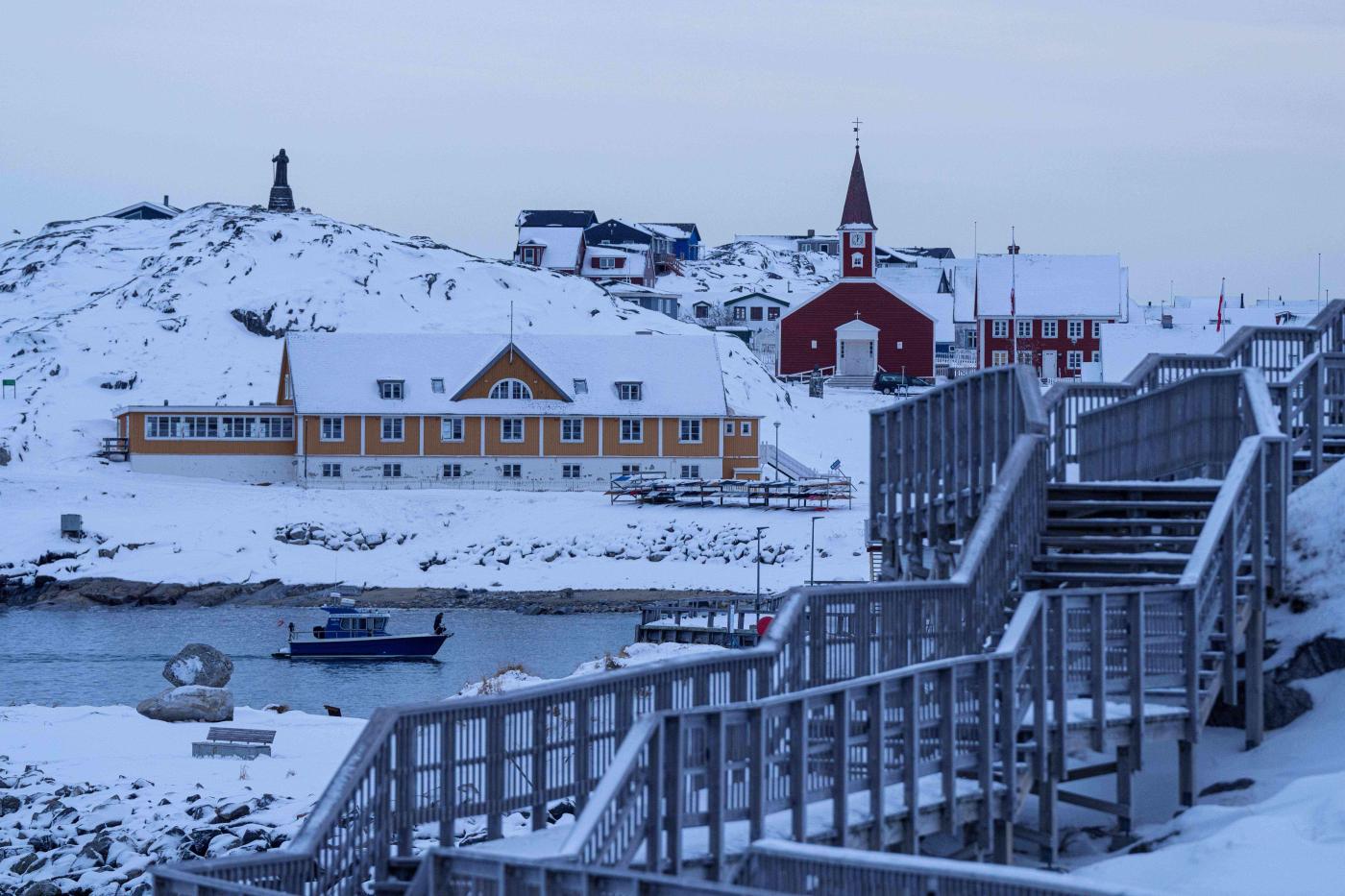
The potential for a U.S. takeover of Greenland prompted action from two U.S. senators. On March 15, 2024, Senators Lisa Murkowski (R-Alaska) and Jeanne Shaheen (D-New Hampshire) introduced the NATO Unity Protection Act. This legislation aims to prevent any military action by the United States against Greenland, which is a territory of Denmark and a member of the NATO alliance.
The bill specifically prohibits actions such as annexation, occupation, or blockade of any NATO ally’s territory. Senator Shaheen emphasized the importance of NATO’s unity, stating, “The strength of NATO depends on unity, trust and respect for the sovereignty of every member state.” She asserted that any U.S. attempt to seize a NATO ally’s territory would undermine the alliance and could embolden adversaries.
The issue arose following comments from former President Donald Trump, who suggested that U.S. national security would be enhanced if the nation took control of Greenland. In a social media post, he claimed that if the U.S. does not acquire the territory, it could be annexed by Russia or China. He stated, “NATO should be leading the way for us to get it. IF WE DON’T, RUSSIA OR CHINA WILL, AND THAT IS NOT GOING TO HAPPEN!”
Danish Prime Minister Mette Frederiksen responded firmly, indicating that a U.S. military action against Greenland would jeopardize NATO. The alliance is built on mutual defense agreements, and any aggression could unravel its foundational principles. Senators Murkowski and Shaheen echoed this sentiment, cautioning that such actions could weaken NATO to the point of ineffectiveness.
The NATO Unity Protection Act articulates concerns that a U.S. takeover would serve the strategic interests of nations like Russia and China while undermining U.S. foreign policy objectives. It stresses the potential risks associated with violating the sovereignty of allied nations.
In a joint press conference, Greenland’s Prime Minister Jens-Frederik Nielsen reiterated that the territory does not wish to be part of the United States. He remarked, “We choose the Greenland we know today, which is part of the Kingdom of Denmark.” Nielsen indicated that in the face of geopolitical tensions, Greenland would align itself with Denmark, NATO, and the European Union.
A poll conducted last year revealed that an overwhelming majority of Greenland’s residents—85%—oppose joining the United States, with only 6% in favor. This significant local sentiment further highlights the complexities surrounding any potential U.S. engagement with Greenland.
As discussions regarding military operations and territorial sovereignty continue, the introduction of the NATO Unity Protection Act marks a crucial step in affirming the importance of diplomatic relations and respect for international alliances. The unfolding situation serves as a reminder of the delicate balance of power in international relations and the need for careful consideration of actions that could have far-reaching consequences.

Urgent Swatting Incident Ties Up Emergency Resources in Alabama

Urgent Tax Alert: Claim Your Deductions Before April 15!

Scientists Investigate Cosmic Defects: Where Are They Now?

Spring Bocce Leagues Open Registration in Rapid City

CALV Offers Essential Communication Class for Real Estate Pros

Samsung Galaxy Watch 9 Set for Larger 435mAh Battery Upgrade

Healthy Choice Wellness Reports Earnings, Stock Sees Uptick

Prince Harry Claims to Be ‘Antidote to Andrew’ Amid Royal Crisis

Pet Owners Weigh Kibble Against Fresh Dog Food Options

ALMA Discovers Companion Orbiting Giant Star π 1 Gruis

U.S. Visa Rescheduling Hits H‐1B Applicants as New Vetting Rules Take Effect

University of Hawaiʻi Joins $25.6M AI Project for Disaster Monitoring

F-22 Raptor vs. Su-57 Felon: A 2025 Fighter Jet Comparison

Ohio State Study Uncovers Brain Connectivity and Function Links

Recent Divorce Judgments from Iberia Parish Court Records

Prince Andrew Faces Fallout from Scandals and Allegations

Urgent: Flight Cancellations Loom at Texas Airports Amid Shutdown

Frank Dunn, Esteemed Builder and Community Leader, Passes Away at 89
-
 Science8 months ago
ALMA Discovers Companion Orbiting Giant Star π 1 Gruis
-
 Politics6 months ago
U.S. Visa Rescheduling Hits H‐1B Applicants as New Vetting Rules Take Effect
-
Science8 months ago
University of Hawaiʻi Joins $25.6M AI Project for Disaster Monitoring
-
 World8 months ago
F-22 Raptor vs. Su-57 Felon: A 2025 Fighter Jet Comparison
-
 Science8 months ago
Ohio State Study Uncovers Brain Connectivity and Function Links
-
 Politics8 months ago
Recent Divorce Judgments from Iberia Parish Court Records
-
 World8 months ago
Prince Andrew Faces Fallout from Scandals and Allegations
-
 Top Stories8 months ago
Urgent: Flight Cancellations Loom at Texas Airports Amid Shutdown
-
 Lifestyle8 months ago
Frank Dunn, Esteemed Builder and Community Leader, Passes Away at 89
-

 Business8 months ago
Appian Recognizes 2025 Partner Award Winners for Enterprise Innovation
-

 Entertainment6 months ago
Malachi Barton Tops Google Searches as Disney’s Rising Star of 2025
-

 Science9 months ago
Innovator Captures Light at 2 Billion Frames Per Second