
Health
Lack of Sleep Linked to Shorter Lifespan, Study Reveals

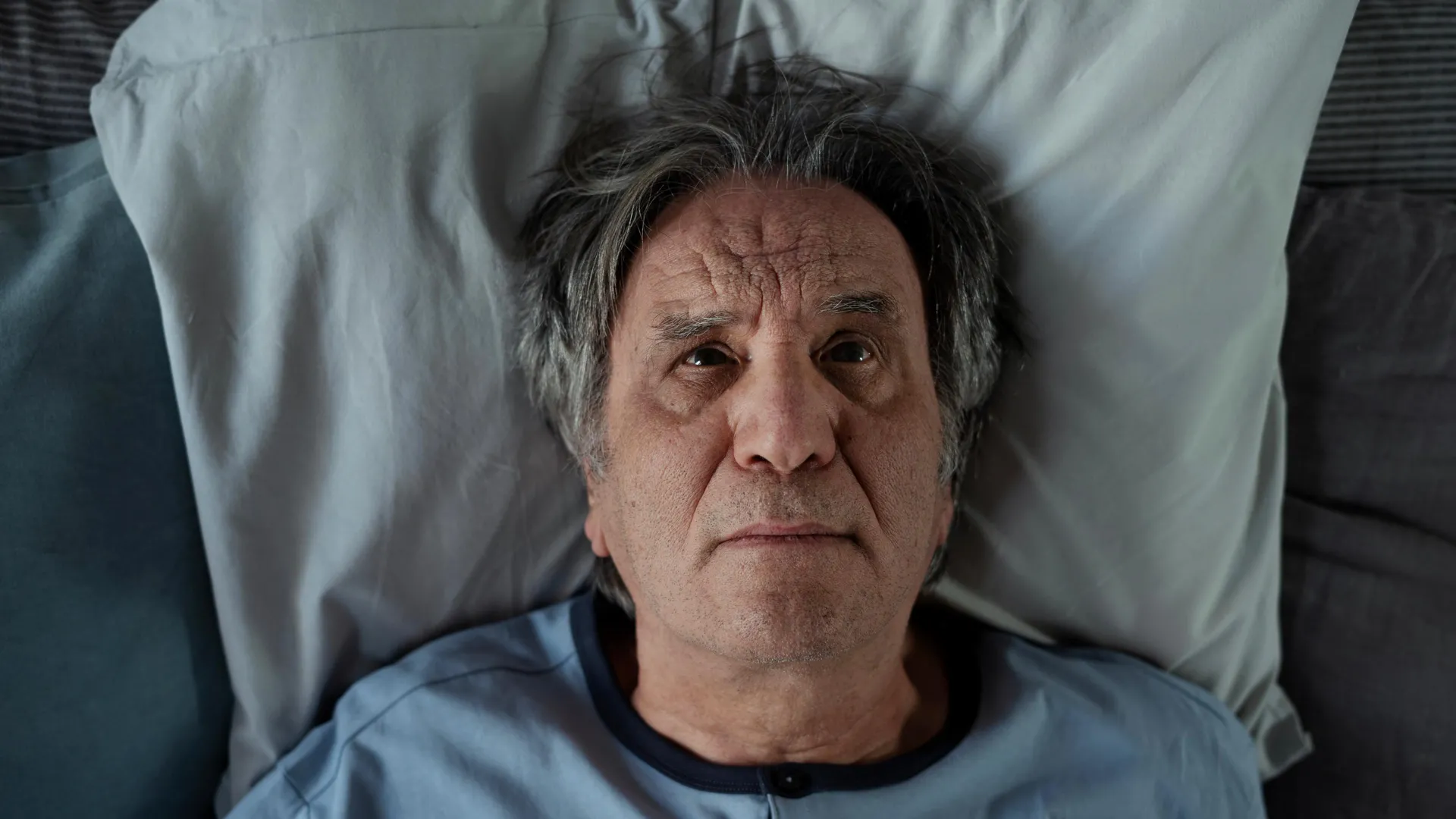
New research from Oregon Health & Science University (OHSU) reveals that consistently sleeping less than seven hours per night can significantly shorten lifespan. Published in the journal SLEEP Advances, the study indicates that insufficient sleep is more strongly correlated with reduced life expectancy than factors such as diet, exercise, or even social isolation.
To arrive at their conclusions, researchers analyzed extensive data from a national database, looking at survey responses related to life expectancy across various U.S. counties. They compared these figures with detailed survey data collected by the Centers for Disease Control and Prevention (CDC) from 2019 to 2025. The findings highlighted sleep as a crucial factor influencing longevity, surpassing other lifestyle elements.
Key Findings on Sleep and Longevity
Senior author Andrew McHill, Ph.D., who is an associate professor at OHSU’s School of Nursing, expressed surprise at the strength of the correlation. “I didn’t expect it to be so strongly correlated to life expectancy,” he stated. While the importance of sleep for overall health has been acknowledged, McHill noted that this research underscores the necessity for adults to aim for seven to nine hours of sleep each night.
Graduate students in OHSU’s Sleep, Chronobiology, and Health Laboratory contributed significantly to the research. The analysis revealed that sleep duration emerged as a more critical predictor of lifespan than diet or physical activity. Smoking was the only lifestyle factor that had a greater negative impact on life expectancy.
“It’s intuitive and makes a lot of sense, but it was still striking to see it materialize so strongly in all of these models,” McHill added. His insights emphasize the importance of prioritizing sleep as a fundamental aspect of health, akin to diet and exercise.
Longitudinal Insights Across U.S. States
This study is notable for being the first to track yearly trends in sleep and life expectancy across all U.S. states. Researchers utilized the CDC’s definition of sufficient sleep as at least seven hours per night, aligning with recommendations from the American Academy of Sleep Medicine and the Sleep Research Society. The data consistently demonstrated a clear relationship between sleep duration and life expectancy throughout the years analyzed.
While the study did not delve into the biological mechanisms linking sleep to longevity, McHill highlighted sleep’s vital role in maintaining heart health, immune function, and cognitive performance. “This research shows that we need to prioritize sleep at least as much as we do to what we eat or how we exercise,” he remarked. He emphasized the need to view sleep not as a luxury or an afterthought but as a crucial component of a healthy lifestyle.
The research team, including lead author Kathryn E. McAuliffe, B.S., and several other graduate students, received funding from the National Heart, Lung, and Blood Institute under multiple award numbers, as well as support from OHSU’s School of Nursing and the Oregon Institute of Occupational Health Sciences.
In conclusion, the study’s findings serve as a compelling reminder of the importance of sleep for long-term health. Prioritizing adequate sleep can significantly impact not just daily well-being but also longevity, underscoring the need for public health initiatives to promote better sleep habits across communities.

Urgent Swatting Incident Ties Up Emergency Resources in Alabama

Urgent Tax Alert: Claim Your Deductions Before April 15!

Scientists Investigate Cosmic Defects: Where Are They Now?

Spring Bocce Leagues Open Registration in Rapid City

CALV Offers Essential Communication Class for Real Estate Pros

Samsung Galaxy Watch 9 Set for Larger 435mAh Battery Upgrade

Healthy Choice Wellness Reports Earnings, Stock Sees Uptick

Prince Harry Claims to Be ‘Antidote to Andrew’ Amid Royal Crisis

Pet Owners Weigh Kibble Against Fresh Dog Food Options

ALMA Discovers Companion Orbiting Giant Star π 1 Gruis

U.S. Visa Rescheduling Hits H‐1B Applicants as New Vetting Rules Take Effect

University of Hawaiʻi Joins $25.6M AI Project for Disaster Monitoring

F-22 Raptor vs. Su-57 Felon: A 2025 Fighter Jet Comparison

Recent Divorce Judgments from Iberia Parish Court Records

Ohio State Study Uncovers Brain Connectivity and Function Links

Prince Andrew Faces Fallout from Scandals and Allegations

Urgent: Flight Cancellations Loom at Texas Airports Amid Shutdown

Frank Dunn, Esteemed Builder and Community Leader, Passes Away at 89
-
 Science8 months ago
ALMA Discovers Companion Orbiting Giant Star π 1 Gruis
-
 Politics6 months ago
U.S. Visa Rescheduling Hits H‐1B Applicants as New Vetting Rules Take Effect
-
Science8 months ago
University of Hawaiʻi Joins $25.6M AI Project for Disaster Monitoring
-
 World8 months ago
F-22 Raptor vs. Su-57 Felon: A 2025 Fighter Jet Comparison
-
 Politics8 months ago
Recent Divorce Judgments from Iberia Parish Court Records
-
 Science9 months ago
Ohio State Study Uncovers Brain Connectivity and Function Links
-
 World8 months ago
Prince Andrew Faces Fallout from Scandals and Allegations
-
 Top Stories8 months ago
Urgent: Flight Cancellations Loom at Texas Airports Amid Shutdown
-
 Lifestyle8 months ago
Frank Dunn, Esteemed Builder and Community Leader, Passes Away at 89
-

 Business8 months ago
Appian Recognizes 2025 Partner Award Winners for Enterprise Innovation
-

 Entertainment6 months ago
Malachi Barton Tops Google Searches as Disney’s Rising Star of 2025
-

 Science9 months ago
Innovator Captures Light at 2 Billion Frames Per Second