
Top Stories
Fossil Discovery Reveals Ancient Ecosystems, Warmer Climate NOW

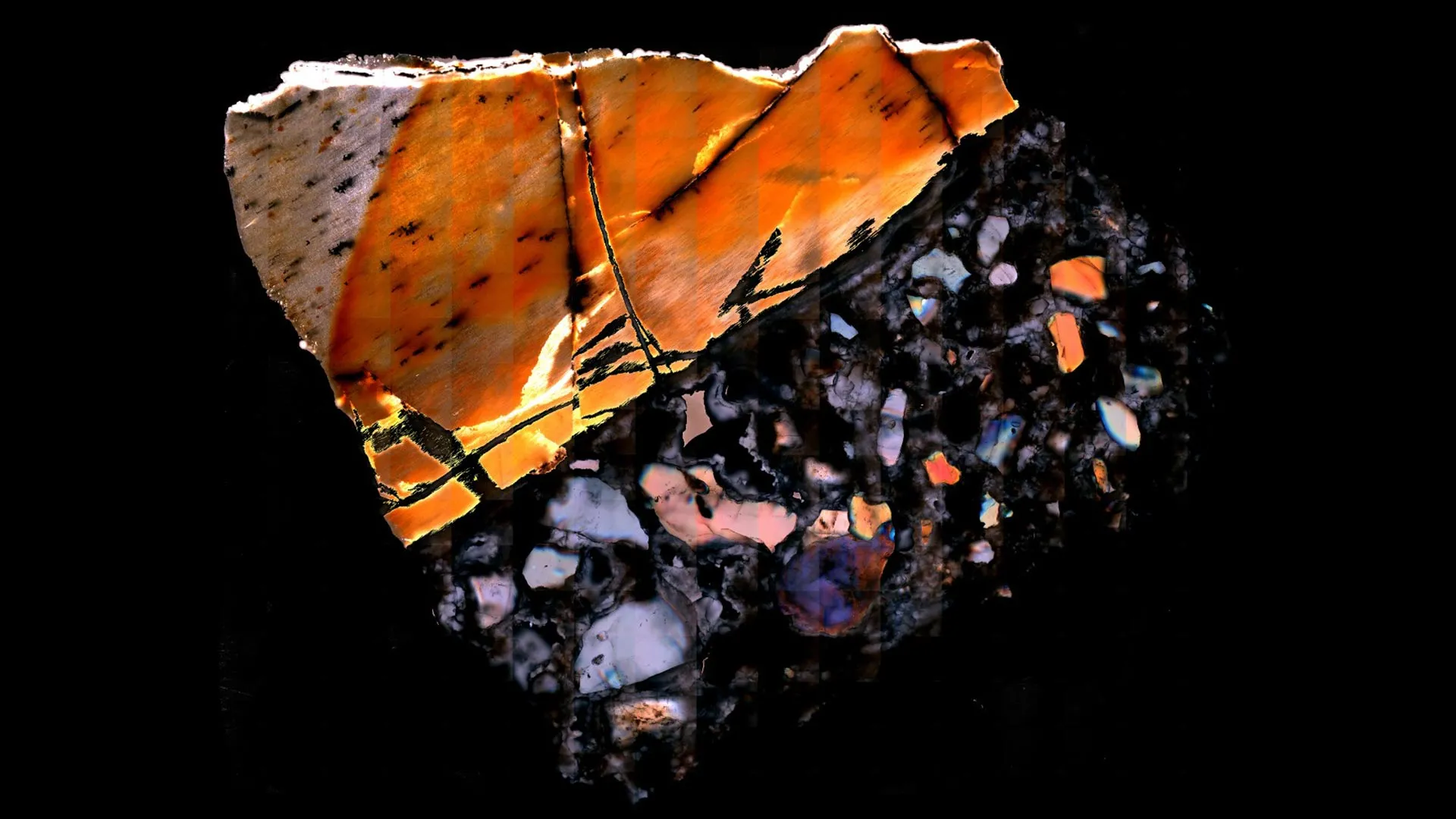
UPDATE: Researchers at New York University have made a groundbreaking discovery that could change our understanding of prehistoric life. For the first time, they have successfully identified thousands of preserved metabolic molecules in fossilized bones dating back 1.3 to 3 million years. This urgent finding reveals crucial insights into the diets, diseases, and climates of ancient animals.
The research, published in the journal Nature, highlights how fossilized bones can provide a detailed picture of prehistoric ecosystems that were significantly warmer and wetter than today. This could transform our approach to studying ancient environments.
With the analysis conducted by an international team led by Timothy Bromage, a professor of molecular pathobiology at NYU College of Dentistry, the study opens a new frontier in paleontology. “I always wanted to know if it would be possible to apply metabolomics to fossils,” said Bromage. “It turns out that bone, including fossilized bone, is filled with metabolites.”
The researchers utilized advanced techniques like mass spectrometry to extract and identify nearly 2,200 metabolites from the bones of ancient rodents, antelopes, pigs, and elephants found in regions of Tanzania, Malawi, and South Africa. These areas are significant for early human activity, linking modern species with their ancient relatives.
Among the astonishing discoveries was evidence of a parasite linked to the disease sleeping sickness, found in the bone of a ground squirrel from Olduvai Gorge in Tanzania, dated to approximately 1.8 million years ago. This parasite, Trypanosoma brucei, is still present today and is transmitted by tsetse flies. Bromage noted, “What we discovered in the bone of the squirrel is a metabolite unique to the biology of that parasite.”
The implications of these findings are profound. The metabolites not only reflect the health and diets of these ancient animals but also provide insights into the environmental conditions they faced. By identifying plant compounds in the bones, researchers can infer dietary habits and ecological contexts. For instance, evidence of aloe consumption suggests specific environmental conditions that could reconstruct the ecosystem surrounding the squirrel.
The study indicates that the ancient habitats were much more vibrant than previously thought. “Using metabolic analyses to study fossils may enable us to reconstruct the environment of the prehistoric world with a new level of detail,” Bromage explained. This aligns with geological research indicating that regions like Olduvai Gorge were once lush woodlands and grasslands, contrasting sharply with today’s drier landscapes.
With the potential to redefine how we understand ancient life, this research marks a significant leap forward in paleobiology. As scientists continue to explore the depths of fossilized remains, the story of our planet’s past is becoming clearer, revealing a rich tapestry of life that thrived in climates that are now drastically different.
Stay tuned for more updates on this developing story as researchers uncover further insights into our planet’s prehistoric ecosystems. This innovative approach could not only reshape our understanding of ancient life but also how we view the impact of climate change on biodiversity today.

Urgent Swatting Incident Ties Up Emergency Resources in Alabama

Urgent Tax Alert: Claim Your Deductions Before April 15!

Scientists Investigate Cosmic Defects: Where Are They Now?

Spring Bocce Leagues Open Registration in Rapid City

CALV Offers Essential Communication Class for Real Estate Pros

Samsung Galaxy Watch 9 Set for Larger 435mAh Battery Upgrade

Healthy Choice Wellness Reports Earnings, Stock Sees Uptick

Prince Harry Claims to Be ‘Antidote to Andrew’ Amid Royal Crisis

Pet Owners Weigh Kibble Against Fresh Dog Food Options

ALMA Discovers Companion Orbiting Giant Star π 1 Gruis

U.S. Visa Rescheduling Hits H‐1B Applicants as New Vetting Rules Take Effect

University of Hawaiʻi Joins $25.6M AI Project for Disaster Monitoring

F-22 Raptor vs. Su-57 Felon: A 2025 Fighter Jet Comparison

Recent Divorce Judgments from Iberia Parish Court Records

Ohio State Study Uncovers Brain Connectivity and Function Links

Prince Andrew Faces Fallout from Scandals and Allegations

Urgent: Flight Cancellations Loom at Texas Airports Amid Shutdown

Frank Dunn, Esteemed Builder and Community Leader, Passes Away at 89
-
 Science8 months ago
ALMA Discovers Companion Orbiting Giant Star π 1 Gruis
-
 Politics6 months ago
U.S. Visa Rescheduling Hits H‐1B Applicants as New Vetting Rules Take Effect
-
Science8 months ago
University of Hawaiʻi Joins $25.6M AI Project for Disaster Monitoring
-
 World9 months ago
F-22 Raptor vs. Su-57 Felon: A 2025 Fighter Jet Comparison
-
 Politics8 months ago
Recent Divorce Judgments from Iberia Parish Court Records
-
 Science9 months ago
Ohio State Study Uncovers Brain Connectivity and Function Links
-
 World9 months ago
Prince Andrew Faces Fallout from Scandals and Allegations
-
 Top Stories8 months ago
Urgent: Flight Cancellations Loom at Texas Airports Amid Shutdown
-
 Lifestyle8 months ago
Frank Dunn, Esteemed Builder and Community Leader, Passes Away at 89
-

 Business8 months ago
Appian Recognizes 2025 Partner Award Winners for Enterprise Innovation
-

 Entertainment7 months ago
Malachi Barton Tops Google Searches as Disney’s Rising Star of 2025
-

 Top Stories7 months ago
Republican Matt Van Epps Wins Tennessee Special Election