
Top Stories
**Tariffs Set to Spike in 2026, Impacting Prices Nationwide**

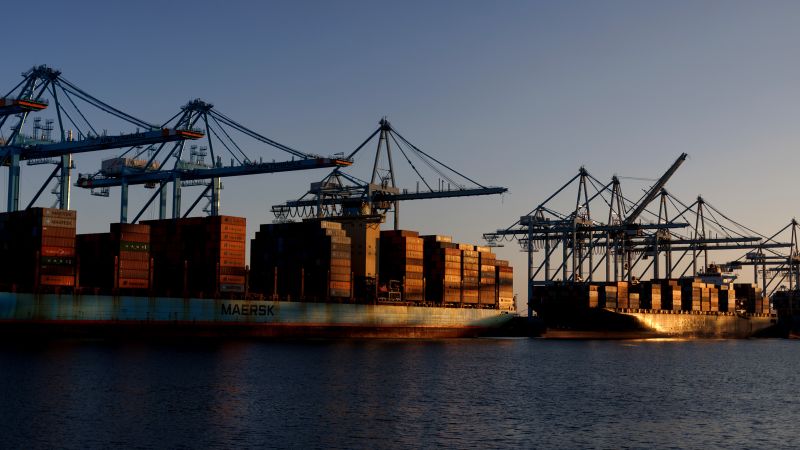
UPDATE: A dramatic surge in tariffs could hit American consumers hard in 2026, with new data revealing a staggering $187 billion increase in tariff revenue in 2025 compared to the previous year. This nearly 200% spike is set to burden shoppers as businesses begin passing on these costs.
New reports confirm that while 80% of the tariff burden was absorbed by businesses in 2025, that figure is expected to drop significantly, potentially shifting to just 20% this year, according to experts at JPMorgan. “A lot of our clients really didn’t want to pass the costs on, but now they’re really having to,” said Kyle Peacock, principal at Peacock Tariff Consulting.
As inflation continues to bite into household budgets—with inflation rates closing 2025 at 2.7%—the impact of these tariffs is projected to escalate. Businesses are already adjusting their pricing strategies, with essential items like groceries likely to see the first price hikes.
The looming price increases set up a critical decision for President Donald Trump ahead of the midterm elections: stick to his tariff policies or ease pressures on American families struggling with rising costs. Trump has historically backtracked on his tariff threats, a pattern that has led to the trend of the acronym “TACO” (Trump Always Chickens Out) circulating on Wall Street last summer.
Recently, Trump delayed significant tariffs on furniture, cabinets, and Italian pasta, indicating potential political pressures. The White House has not provided clarity on this pause, but it suggests an administration aware of the political vulnerabilities tariffs create.
Why are costs expected to rise in 2026? Businesses ramped up inventory in early 2025 to mitigate future tariffs, helping to absorb costs temporarily. As these stockpiles deplete, companies are forced to purchase goods subjected to higher tariffs, which they can only absorb for so long before passing on the costs to consumers.
Goldman Sachs economists have estimated that tariffs contributed to an inflation increase of 0.5% in 2025, aligning with Federal Reserve Chair Jerome Powell’s assessment that tariffs were responsible for inflation surpassing the targeted 2% mark. Anticipation is that inflation could surge by an additional 0.3% in just the first half of 2026.
One major grocery supplier, who chose to remain anonymous, initially withheld price increases due to the complexity of accounting for varying tariff rates. However, they have now decided to adopt an average tariff rate across all products, a decision that could lead to significant price hikes.
There is, however, an unpredictable factor that could influence the tariff landscape: an ongoing Supreme Court case challenging Trump’s tariffs. This case could potentially invalidate major tariffs that have generated approximately $130 billion in revenue as of mid-December, according to US Customs and Border Protection data. A favorable ruling for businesses could lead to refunds on tariffs already paid, potentially alleviating some pressure on pricing.
The implications of this Supreme Court decision are vast, with many businesses anxiously waiting for a verdict expected in the coming weeks. If the ruling goes against the Trump administration, officials have hinted at further tariffs being introduced, complicating the landscape even more.
As affordability concerns mount and Trump’s approval ratings dip, the administration has already backed down on several high-profile tariffs on produce, furniture, and other goods. The political ramifications of these decisions could significantly shape consumer prices in the months ahead.
With the prospect of higher costs looming, consumers should prepare for potential price increases across various categories in 2026. As businesses navigate this turbulent tariff environment, the decisions made in the coming weeks will be crucial for American families facing the pressures of a rising cost of living.

Urgent Swatting Incident Ties Up Emergency Resources in Alabama

Urgent Tax Alert: Claim Your Deductions Before April 15!

Scientists Investigate Cosmic Defects: Where Are They Now?

Spring Bocce Leagues Open Registration in Rapid City

CALV Offers Essential Communication Class for Real Estate Pros

Samsung Galaxy Watch 9 Set for Larger 435mAh Battery Upgrade

Healthy Choice Wellness Reports Earnings, Stock Sees Uptick

Prince Harry Claims to Be ‘Antidote to Andrew’ Amid Royal Crisis

Pet Owners Weigh Kibble Against Fresh Dog Food Options

ALMA Discovers Companion Orbiting Giant Star π 1 Gruis

U.S. Visa Rescheduling Hits H‐1B Applicants as New Vetting Rules Take Effect

University of Hawaiʻi Joins $25.6M AI Project for Disaster Monitoring

F-22 Raptor vs. Su-57 Felon: A 2025 Fighter Jet Comparison

Recent Divorce Judgments from Iberia Parish Court Records

Ohio State Study Uncovers Brain Connectivity and Function Links

Prince Andrew Faces Fallout from Scandals and Allegations

Urgent: Flight Cancellations Loom at Texas Airports Amid Shutdown

Frank Dunn, Esteemed Builder and Community Leader, Passes Away at 89
-
 Science8 months ago
ALMA Discovers Companion Orbiting Giant Star π 1 Gruis
-
 Politics6 months ago
U.S. Visa Rescheduling Hits H‐1B Applicants as New Vetting Rules Take Effect
-
Science8 months ago
University of Hawaiʻi Joins $25.6M AI Project for Disaster Monitoring
-
 World8 months ago
F-22 Raptor vs. Su-57 Felon: A 2025 Fighter Jet Comparison
-
 Politics8 months ago
Recent Divorce Judgments from Iberia Parish Court Records
-
 Science9 months ago
Ohio State Study Uncovers Brain Connectivity and Function Links
-
 World9 months ago
Prince Andrew Faces Fallout from Scandals and Allegations
-
 Top Stories8 months ago
Urgent: Flight Cancellations Loom at Texas Airports Amid Shutdown
-
 Lifestyle8 months ago
Frank Dunn, Esteemed Builder and Community Leader, Passes Away at 89
-

 Business8 months ago
Appian Recognizes 2025 Partner Award Winners for Enterprise Innovation
-

 Entertainment7 months ago
Malachi Barton Tops Google Searches as Disney’s Rising Star of 2025
-

 Top Stories7 months ago
Republican Matt Van Epps Wins Tennessee Special Election