
Top Stories
Lebanon Approves Urgent ‘Gap Law’ to Reimburse Depositors

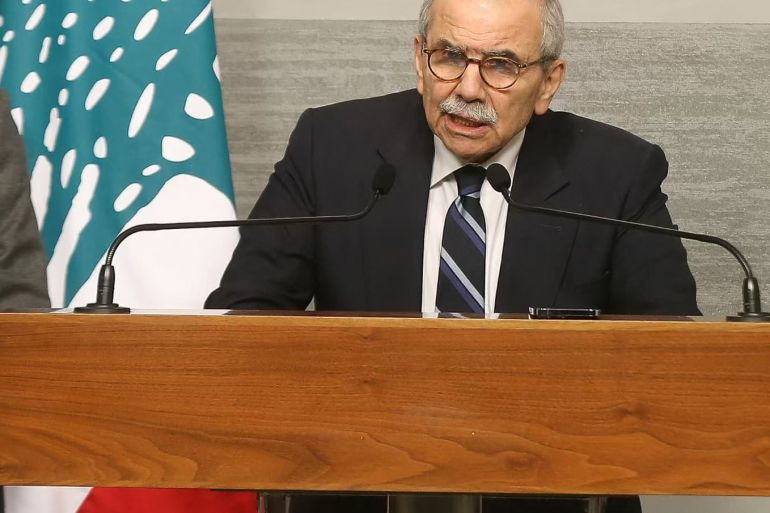
UPDATE: Lebanon’s cabinet has just approved a crucial draft law aimed at addressing the devastating financial crisis that has gripped the nation for over six years. The new legislation, known as the “gap law,” could allow depositors to recover a portion of their funds after the Lebanese Lira plummeted by 98 percent since 2019, leaving many unable to access their savings.
This urgent development comes as banks previously locked depositors out of their accounts, forcing some to stage desperate protests to regain their own money. The “gap law” is expected to be signed by both Prime Minister Nawaf Salam and the president before it heads to parliament for further debate.
Under this proposed legislation, eligible depositors with amounts up to $100,000 will see their funds reimbursed within four years—a significant improvement over past proposals that suggested repayments could stretch over a decade. However, this plan falls short of earlier suggestions made during Hassan Diab‘s administration, which would have allowed depositors to reclaim up to $500,000.
According to lawyer and Depositors Union member Fouad Debs, this change represents a lost opportunity primarily aimed at protecting banks. The law stipulates that depositors with balances exceeding $100,000 will receive $100,000 in cash, with the remaining balance to be compensated via bonds issued by the Central Bank.
While some depositors stand to benefit, critics are raising alarms about the law’s implications. Notably, banks will only be required to cover 40 percent of the withdrawals, leaving the state to shoulder the remaining $70 billion gap between what banks owe and what they can pay out. This raises serious questions about accountability, as banks continue to pay dividends and bonuses despite blocking depositors from accessing their funds.
Debs expressed deep concerns, stating, “Depositors should be last on the list to have to pay.” The draft law has ignited frustration among depositors, who argue that the burden is unfairly shifted onto the state and, ultimately, the Lebanese people.
As the situation unfolds, bankers are pushing back, insisting that the state should be responsible for these payments. They claim they entrusted funds to the Central Bank, which then mismanaged them. However, critics argue that banks acted without the consent of depositors, misusing their funds for risky endeavors.
In a troubling twist, the state may be forced to repay depositors using public funds, including assets such as Lebanon’s gold reserves. This presents a dire scenario where state resources could be used to satisfy large depositors or foreign vulture funds, further endangering the financial future of ordinary Lebanese citizens.
The International Monetary Fund (IMF) has weighed in on the matter, calling for a fair resolution that prioritizes depositors over bankers. Debs noted, “The IMF is saying… ‘how can you make depositors pay before bankers?’” This alignment of interests signals a growing backlash against the ruling elites, who are perceived as prioritizing their profits over the wellbeing of the populace.
As the draft law moves toward parliamentary discussion, all eyes are on Lebanon to see if lawmakers will prioritize the needs of the people or cater to the interests of the banking sector. What happens next could redefine the financial landscape of a country struggling to recover from one of the worst economic crises in modern history.
Stay tuned for more updates as this situation develops, and consider sharing this critical information to raise awareness of the ongoing crisis in Lebanon.

Urgent Swatting Incident Ties Up Emergency Resources in Alabama

Urgent Tax Alert: Claim Your Deductions Before April 15!

Scientists Investigate Cosmic Defects: Where Are They Now?

Spring Bocce Leagues Open Registration in Rapid City

CALV Offers Essential Communication Class for Real Estate Pros

Samsung Galaxy Watch 9 Set for Larger 435mAh Battery Upgrade

Healthy Choice Wellness Reports Earnings, Stock Sees Uptick

Prince Harry Claims to Be ‘Antidote to Andrew’ Amid Royal Crisis

Pet Owners Weigh Kibble Against Fresh Dog Food Options

ALMA Discovers Companion Orbiting Giant Star π 1 Gruis

U.S. Visa Rescheduling Hits H‐1B Applicants as New Vetting Rules Take Effect

University of Hawaiʻi Joins $25.6M AI Project for Disaster Monitoring

F-22 Raptor vs. Su-57 Felon: A 2025 Fighter Jet Comparison

Recent Divorce Judgments from Iberia Parish Court Records

Ohio State Study Uncovers Brain Connectivity and Function Links

Prince Andrew Faces Fallout from Scandals and Allegations

Urgent: Flight Cancellations Loom at Texas Airports Amid Shutdown

Frank Dunn, Esteemed Builder and Community Leader, Passes Away at 89
-
 Science8 months ago
ALMA Discovers Companion Orbiting Giant Star π 1 Gruis
-
 Politics6 months ago
U.S. Visa Rescheduling Hits H‐1B Applicants as New Vetting Rules Take Effect
-
Science8 months ago
University of Hawaiʻi Joins $25.6M AI Project for Disaster Monitoring
-
 World8 months ago
F-22 Raptor vs. Su-57 Felon: A 2025 Fighter Jet Comparison
-
 Politics8 months ago
Recent Divorce Judgments from Iberia Parish Court Records
-
 Science9 months ago
Ohio State Study Uncovers Brain Connectivity and Function Links
-
 World9 months ago
Prince Andrew Faces Fallout from Scandals and Allegations
-
 Top Stories8 months ago
Urgent: Flight Cancellations Loom at Texas Airports Amid Shutdown
-
 Lifestyle8 months ago
Frank Dunn, Esteemed Builder and Community Leader, Passes Away at 89
-

 Business8 months ago
Appian Recognizes 2025 Partner Award Winners for Enterprise Innovation
-

 Entertainment7 months ago
Malachi Barton Tops Google Searches as Disney’s Rising Star of 2025
-

 Top Stories7 months ago
Republican Matt Van Epps Wins Tennessee Special Election