
Science
DNA Breakthroughs Solve Cold Cases in Minnesota in 2025

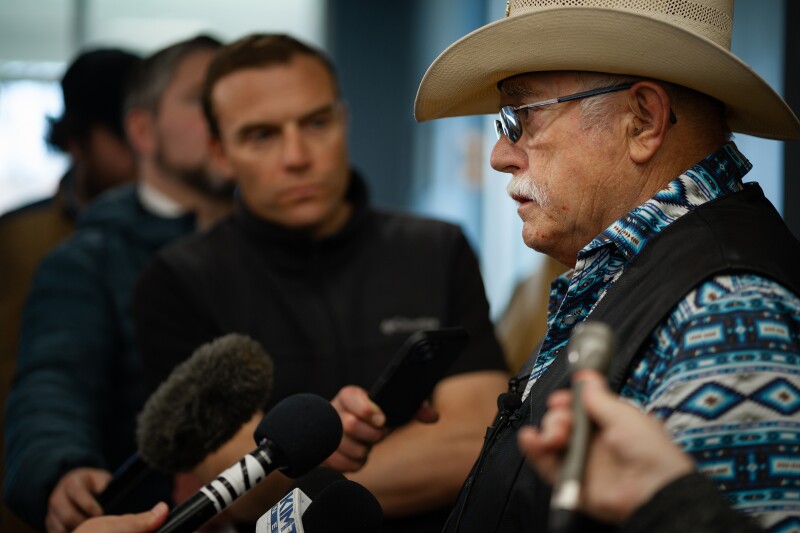
Advancements in DNA technology and forensic genealogy have led to significant breakthroughs in cold case investigations in Minnesota during 2025. These developments have provided answers to cases that had long remained unresolved. The collaboration among law enforcement, forensic laboratories, and genealogists played a crucial role in these discoveries, illuminating the stories of victims and their families.
Case of Roy G. Benn
One of the most notable cases is that of Roy G. Benn, who disappeared on September 25, 1967. At the age of 69, Benn was last seen leaving the King’s Supper Club, reportedly carrying a substantial amount of cash. Witnesses described him as well-dressed, wearing a suit with gold and pearl cuff links. Despite extensive searches, Benn and his vehicle, a 1963 metallic blue Buick Electra, remained missing for decades.
The mystery took a turn on August 10, 2025, when a fisherman in Sartell noticed something unusual on his sonar fish finder in the Mississippi River. Authorities responded promptly, deploying a dive team that ultimately located a vehicle matching the description of Benn’s car. In November, the Stearns County Sheriff’s Office confirmed the presence of Benn’s remains inside the vehicle. Following an investigation, the Medical Examiner’s Office concluded that Benn died in a car crash, with no indications of foul play.
Uncovering the Identity of Rachel Marie Doe
In another significant development, the identity of a newborn baby found abandoned in Blaine, Minnesota, in 1983 was revealed through advanced DNA testing. The baby, known to the community as Rachel Marie Doe, was discovered shortly after her birth by a teenage girl who was alone at her parents’ house. Faced with a difficult situation, the young mother left the infant in a high-traffic area, hoping someone would find her.
After years of investigation, the Anoka County Attorney, Brad John, stated that charges would not be pursued against the mother, citing the lack of evidence to support criminal charges. The case highlights the tragic circumstances surrounding Rachel’s birth and the difficult decisions faced by her mother. The autopsy report suggested that the baby may have been placed alongside the road with the possibility of being alive at the time.
Revelation of Baby Angel’s Mother
The case of another infant, known as “Baby Angel,” also saw a breakthrough this year. Discovered on September 5, 2011, by boaters on the Mississippi River, the baby was found deceased in a tote bag, which contained various items that touched the hearts of the local community in Winona. The tragic loss resonated deeply, leading to a public funeral attended by over 150 people.
In April 2025, the identity of Baby Angel’s mother was uncovered through forensic genealogy. The mother was revealed to be Jennifer Nichole Baechle, a respected adjunct English professor at Winona State University and a mother of two. Following the discovery, Baechle was charged with two counts of second-degree manslaughter.
The case remains active as legal proceedings continue. In September 2025, Baechle’s attorney filed a motion to withhold evidence, raising questions about the inconsistencies in the autopsy reports regarding whether Baby Angel was born alive or stillborn. The next hearing is set for January 14, 2026.
These cases exemplify how advancements in DNA technology are reshaping cold case investigations, providing closure to families and communities long impacted by these tragic events. As forensic techniques evolve, they offer hope for further resolutions in cases that have languished for years.

Urgent Swatting Incident Ties Up Emergency Resources in Alabama

Urgent Tax Alert: Claim Your Deductions Before April 15!

Scientists Investigate Cosmic Defects: Where Are They Now?

Spring Bocce Leagues Open Registration in Rapid City

CALV Offers Essential Communication Class for Real Estate Pros

Samsung Galaxy Watch 9 Set for Larger 435mAh Battery Upgrade

Healthy Choice Wellness Reports Earnings, Stock Sees Uptick

Prince Harry Claims to Be ‘Antidote to Andrew’ Amid Royal Crisis

Pet Owners Weigh Kibble Against Fresh Dog Food Options

ALMA Discovers Companion Orbiting Giant Star π 1 Gruis

U.S. Visa Rescheduling Hits H‐1B Applicants as New Vetting Rules Take Effect

University of Hawaiʻi Joins $25.6M AI Project for Disaster Monitoring

F-22 Raptor vs. Su-57 Felon: A 2025 Fighter Jet Comparison

Recent Divorce Judgments from Iberia Parish Court Records

Urgent: Flight Cancellations Loom at Texas Airports Amid Shutdown

Ohio State Study Uncovers Brain Connectivity and Function Links

Frank Dunn, Esteemed Builder and Community Leader, Passes Away at 89

Appian Recognizes 2025 Partner Award Winners for Enterprise Innovation
-
 Science9 months ago
ALMA Discovers Companion Orbiting Giant Star π 1 Gruis
-
 Politics8 months ago
U.S. Visa Rescheduling Hits H‐1B Applicants as New Vetting Rules Take Effect
-
Science10 months ago
University of Hawaiʻi Joins $25.6M AI Project for Disaster Monitoring
-
 World10 months ago
F-22 Raptor vs. Su-57 Felon: A 2025 Fighter Jet Comparison
-
 Politics9 months ago
Recent Divorce Judgments from Iberia Parish Court Records
-
 Top Stories10 months ago
Urgent: Flight Cancellations Loom at Texas Airports Amid Shutdown
-
 Science10 months ago
Ohio State Study Uncovers Brain Connectivity and Function Links
-
 Lifestyle10 months ago
Frank Dunn, Esteemed Builder and Community Leader, Passes Away at 89
-
 Business10 months ago
Appian Recognizes 2025 Partner Award Winners for Enterprise Innovation
-

 World10 months ago
Prince Andrew Faces Fallout from Scandals and Allegations
-

 Entertainment8 months ago
Malachi Barton Tops Google Searches as Disney’s Rising Star of 2025
-

 Top Stories9 months ago
Republican Matt Van Epps Wins Tennessee Special Election