
Science
White House Plan to Dismantle NCAR Raises Concerns Over Climate Research

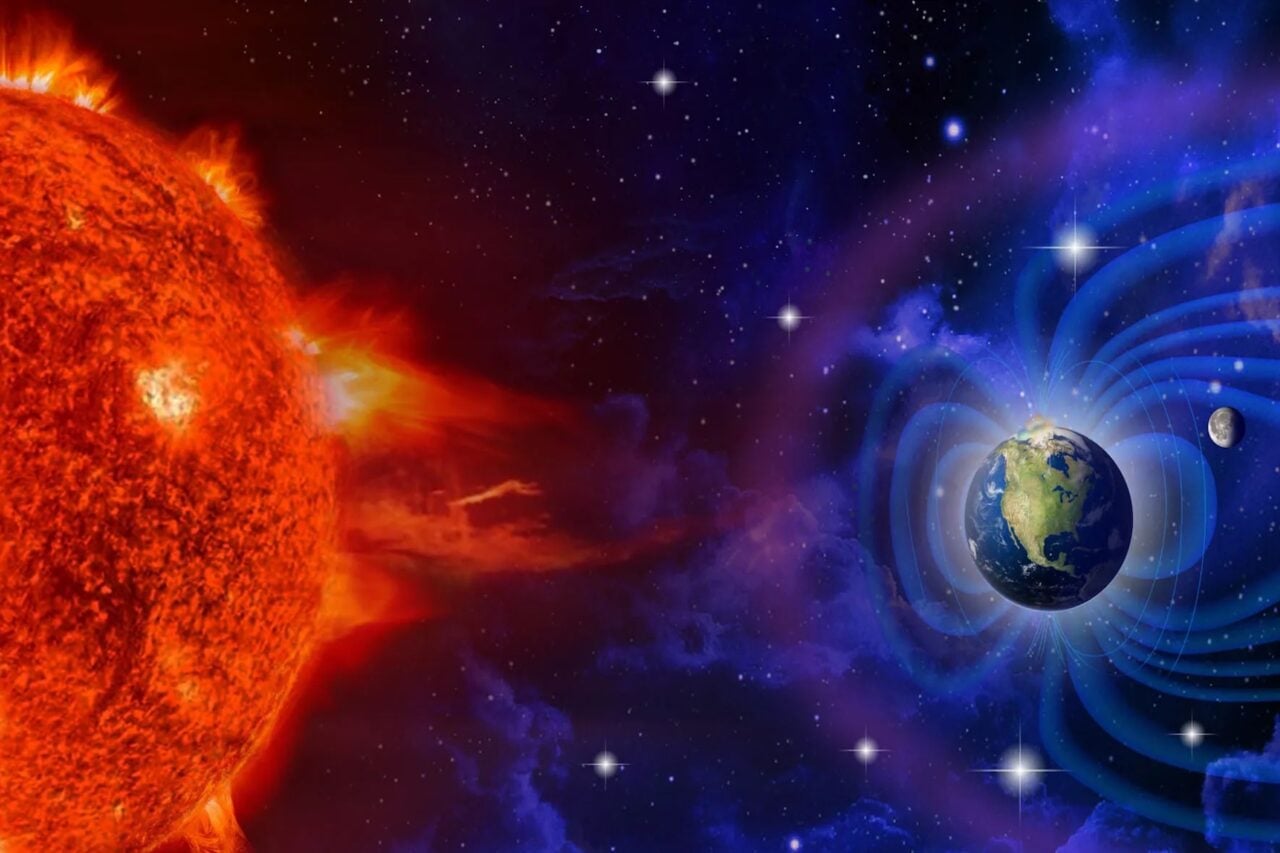
The White House is moving forward with a plan to dismantle the National Center for Atmospheric Research (NCAR) in Colorado, a facility critical for both climate science and space weather research. According to Russ Vought, Director of the Office of Management and Budget, the administration views NCAR as “one of the largest sources of climate alarmism in the country.” This decision follows a trend within the Trump administration aimed at reducing funding for climate research and removing data from government websites.
Established over sixty years ago, NCAR plays a vital role in studying Earth’s atmosphere, weather patterns, and climate change. In addition to terrestrial research, NCAR conducts investigations into space weather, particularly how solar activity impacts Earth’s magnetosphere. The implications of dismantling NCAR could extend to two upcoming NASA heliophysics missions that are heavily reliant on research conducted by NCAR scientists.
NASA Missions at Risk
Earlier this month, NASA announced the advancement of two heliophysics missions designed to enhance understanding of the Sun and the solar wind it emits. One of these missions, the Chromospheric Magnetism Explorer (CMEx), is led by NCAR scientist Holly Gilbert. This mission aims to explore the Sun’s chromosphere, the reddish layer of its atmosphere, to better understand the origins of solar eruptions and the magnetic sources of solar wind.
Asal Naseri, acting associate flight director for heliophysics at NASA Headquarters, emphasized the importance of these missions, stating, “These mission concepts, if advanced to flight, will improve our ability to predict solar events that could harm satellites that we rely on every day and mitigate danger to astronauts near Earth, at the Moon, or Mars.”
Another mission, the Solar Transition Region Ultraviolet Explorer (STRUVE), also led by NCAR, is set to launch in 2029. STRUVE will focus on the chromosphere and corona of the Sun, regions critical for understanding the storage and release of magnetic energy that drives solar storms. Dr. Alfred de Wijn, the principal investigator for STRUVE, noted, “We’re interested in what’s actually going on in that middle layer and seeing how the magnetic field changes leading up to eruptions.”
The Future of NCAR and Climate Research
With the fate of NCAR uncertain, the future of these critical missions hangs in the balance. Vought’s announcement indicated that research activities would be reassigned to other organizations, but specifics on how these decisions will be made remain unclear. This ambiguity raises concerns among the scientific community about the continuity and quality of climate research.
Dara Norman, president of the American Astronomical Society (AAS), commented on the situation, saying, “[R]esearch conducted at NCAR informs our understanding of space weather hazards caused by solar storms and the atmospheric properties of other planets in and beyond our solar system.” Norman urged Congress to exercise its oversight authority and investigate the rationale behind the NSF’s decision-making regarding NCAR.
U.S. lawmakers have expressed strong support for legislation aimed at reversing the proposed cuts to scientific research funding within NASA and other agencies. There is a looming deadline of January 30, 2024, for Congress to enact spending bills that could determine the future of scientific research funding, including that of NCAR.
As discussions continue, the implications of dismantling NCAR extend beyond just climate science. The center has been pivotal in advancing our understanding of atmospheric dynamics and space weather, both of which play crucial roles in technology and safety for modern society. The outcome of this situation will not only influence future research but could also reshape how we approach climate science and its increasingly vital role in global policy and planning.

Urgent Swatting Incident Ties Up Emergency Resources in Alabama

Urgent Tax Alert: Claim Your Deductions Before April 15!

Scientists Investigate Cosmic Defects: Where Are They Now?

Spring Bocce Leagues Open Registration in Rapid City

CALV Offers Essential Communication Class for Real Estate Pros

Samsung Galaxy Watch 9 Set for Larger 435mAh Battery Upgrade

Healthy Choice Wellness Reports Earnings, Stock Sees Uptick

Prince Harry Claims to Be ‘Antidote to Andrew’ Amid Royal Crisis

Pet Owners Weigh Kibble Against Fresh Dog Food Options

ALMA Discovers Companion Orbiting Giant Star π 1 Gruis

U.S. Visa Rescheduling Hits H‐1B Applicants as New Vetting Rules Take Effect

University of Hawaiʻi Joins $25.6M AI Project for Disaster Monitoring

F-22 Raptor vs. Su-57 Felon: A 2025 Fighter Jet Comparison

Recent Divorce Judgments from Iberia Parish Court Records

Urgent: Flight Cancellations Loom at Texas Airports Amid Shutdown

Ohio State Study Uncovers Brain Connectivity and Function Links

Frank Dunn, Esteemed Builder and Community Leader, Passes Away at 89

Appian Recognizes 2025 Partner Award Winners for Enterprise Innovation
-
 Science9 months ago
ALMA Discovers Companion Orbiting Giant Star π 1 Gruis
-
 Politics8 months ago
U.S. Visa Rescheduling Hits H‐1B Applicants as New Vetting Rules Take Effect
-
Science10 months ago
University of Hawaiʻi Joins $25.6M AI Project for Disaster Monitoring
-
 World10 months ago
F-22 Raptor vs. Su-57 Felon: A 2025 Fighter Jet Comparison
-
 Politics9 months ago
Recent Divorce Judgments from Iberia Parish Court Records
-
 Top Stories10 months ago
Urgent: Flight Cancellations Loom at Texas Airports Amid Shutdown
-
 Science10 months ago
Ohio State Study Uncovers Brain Connectivity and Function Links
-
 Lifestyle10 months ago
Frank Dunn, Esteemed Builder and Community Leader, Passes Away at 89
-
 Business10 months ago
Appian Recognizes 2025 Partner Award Winners for Enterprise Innovation
-

 World10 months ago
Prince Andrew Faces Fallout from Scandals and Allegations
-

 Entertainment8 months ago
Malachi Barton Tops Google Searches as Disney’s Rising Star of 2025
-

 Top Stories9 months ago
Republican Matt Van Epps Wins Tennessee Special Election