
World
Unpacking the B-2 Bomber’s Sky-High Operating Costs

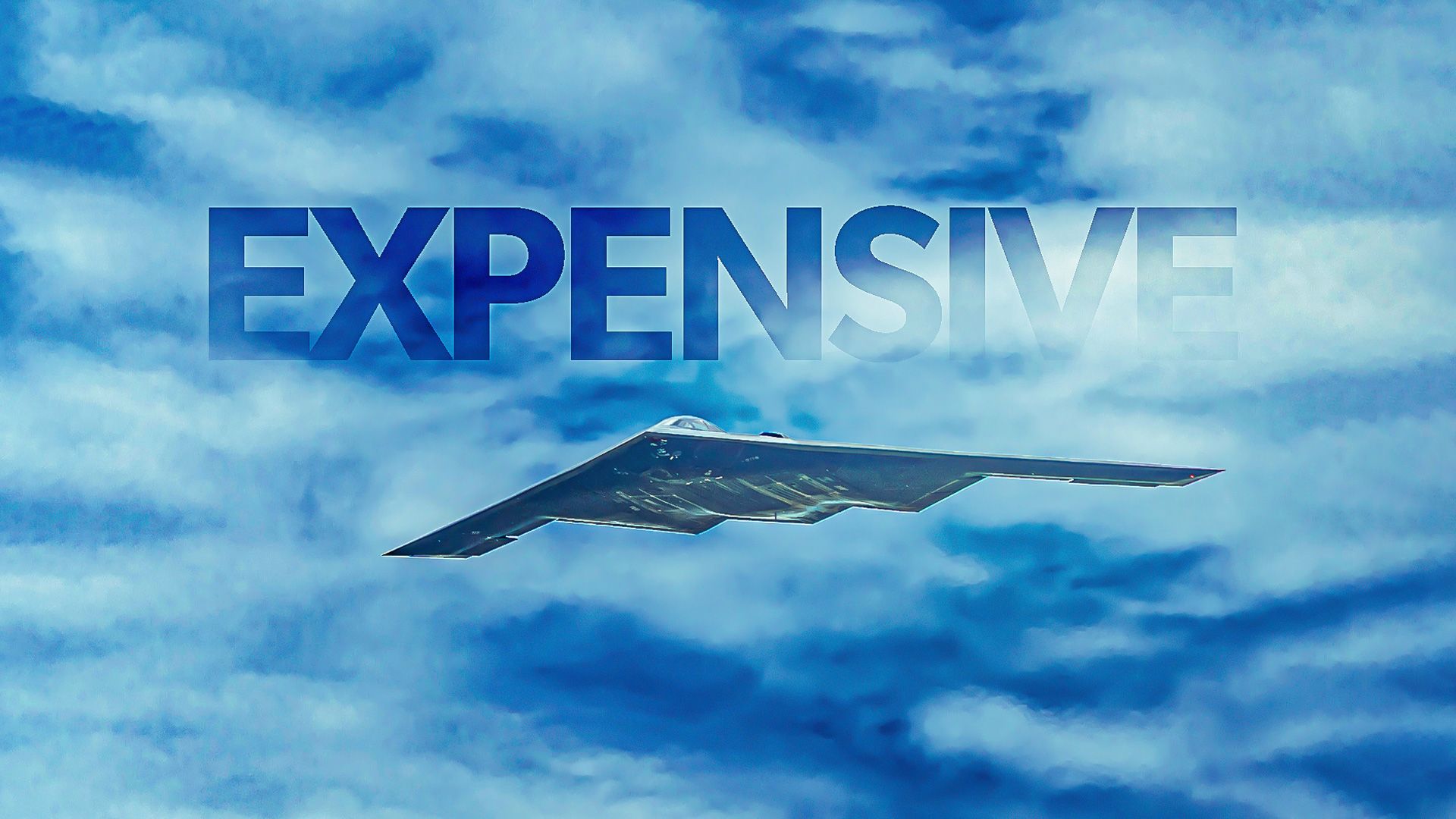
The operational costs associated with the Northrop Grumman B-2 Spirit bomber are staggering, making it the most expensive aircraft ever procured by the United States. The U.S. Air Force purchased 21 of these advanced stealth bombers for over $2 billion each. While the high procurement cost is well-known, the B-2’s exorbitant maintenance expenses are less frequently discussed and are significant factors in its early retirement from service.
Originally intended to replace the aging Boeing B-52 Stratofortress, the B-2 Spirit is facing an unexpected reality. The B-52 is projected to outlast its younger counterpart, continuing to serve alongside the upcoming B-21 Raider for decades. The B-2’s extraordinary maintenance requirements are alarming, with reports indicating that for every hour in the air, the aircraft necessitates between 50 and 60 hours of maintenance on the ground.
Factors Driving Maintenance Costs
The high operational costs of the B-2 can be attributed to several factors. The aircraft’s production run was short, resulting in a lack of economies of scale that typically help reduce per-unit costs in defense programs. The limited number of B-2s means that investment in skilled labor and supply chains is disproportionately high. As noted by The National Interest, the B-2’s production was curtailed following the end of the Cold War, transferring all fixed costs to the small number of aircraft produced.
Maintaining the B-2 is a complex endeavor. These bombers are housed in climate-controlled hangars, designed to protect the exterior radar-absorbent material (RAM) that coats the aircraft. This material degrades rapidly in adverse weather conditions, necessitating expensive facilities and ongoing maintenance. The B-2s, stationed at Whiteman Air Force Base, are concentrated at this location not only for security reasons but also because it is the only facility with the infrastructure required to support these sophisticated machines.
The Air Force had initially planned to procure around 130 B-2s, which would have justified investment in training and equipment. Instead, the much smaller fleet has resulted in wasted expenditures on support infrastructure that is no longer needed. As a result, nearly every maintenance check becomes a custom job, contributing to the aircraft’s high operational costs, which are estimated at between $130,000 and $200,000 per flight hour.
Technological Sophistication and Vulnerabilities
The B-2 Spirit is considered an exquisite aircraft, equipped with over 130 specialized onboard systems that allow it to operate effectively in hostile environments. These systems, which blend Cold War-era hardware with modern digital upgrades, require manual checks that can take days or even weeks for completion. The aircraft’s RAM coating is particularly sensitive, degrading due to environmental factors such as humidity and precipitation, which necessitates frequent maintenance to preserve its stealth capabilities.
Every seven years, each B-2 undergoes a comprehensive Programmed Depot Maintenance (PDM), a process that can take more than 400 days and involves completely disassembling and rebuilding the aircraft. This maintenance cycle reflects the aircraft’s intricate design and the high level of care necessary to keep it operational.
Despite its high costs, the B-2’s advanced radar systems and stealth capabilities make it a critical asset for U.S. military strategy. The aircraft employs a specialized radar that uses rapid frequency hopping to mask its signals, allowing it to operate undetected in enemy territory. Additionally, the B-2’s design includes features like curved engine intakes and mixed exhaust, which help to conceal the aircraft from various detection methods.
As the U.S. military looks toward future capabilities, the B-21 Raider is positioned to avoid the pitfalls experienced by the B-2 program. The B-21 is designed with a commitment to a more sustainable production model, aiming for a fleet of at least 100 aircraft to mitigate the issues of low production volume and high costs that plagued the B-2. By focusing on both advanced technology and operational efficiency, the B-21 program aims to ensure a balance between cutting-edge capabilities and manageable long-term costs.
In conclusion, the B-2 Spirit’s operational costs highlight the challenges of maintaining such advanced military technology. As the U.S. Air Force prepares for the future, the lessons learned from the B-2 program will shape the development and deployment of next-generation aircraft, emphasizing the need for a more sustainable approach to military procurement and maintenance.

Urgent Swatting Incident Ties Up Emergency Resources in Alabama

Urgent Tax Alert: Claim Your Deductions Before April 15!

Scientists Investigate Cosmic Defects: Where Are They Now?

Spring Bocce Leagues Open Registration in Rapid City

CALV Offers Essential Communication Class for Real Estate Pros

Samsung Galaxy Watch 9 Set for Larger 435mAh Battery Upgrade

Healthy Choice Wellness Reports Earnings, Stock Sees Uptick

Prince Harry Claims to Be ‘Antidote to Andrew’ Amid Royal Crisis

Pet Owners Weigh Kibble Against Fresh Dog Food Options

ALMA Discovers Companion Orbiting Giant Star π 1 Gruis

U.S. Visa Rescheduling Hits H‐1B Applicants as New Vetting Rules Take Effect

University of Hawaiʻi Joins $25.6M AI Project for Disaster Monitoring

F-22 Raptor vs. Su-57 Felon: A 2025 Fighter Jet Comparison

Recent Divorce Judgments from Iberia Parish Court Records

Ohio State Study Uncovers Brain Connectivity and Function Links

Prince Andrew Faces Fallout from Scandals and Allegations

Urgent: Flight Cancellations Loom at Texas Airports Amid Shutdown

Frank Dunn, Esteemed Builder and Community Leader, Passes Away at 89
-
 Science8 months ago
ALMA Discovers Companion Orbiting Giant Star π 1 Gruis
-
 Politics6 months ago
U.S. Visa Rescheduling Hits H‐1B Applicants as New Vetting Rules Take Effect
-
Science8 months ago
University of Hawaiʻi Joins $25.6M AI Project for Disaster Monitoring
-
 World8 months ago
F-22 Raptor vs. Su-57 Felon: A 2025 Fighter Jet Comparison
-
 Politics8 months ago
Recent Divorce Judgments from Iberia Parish Court Records
-
 Science9 months ago
Ohio State Study Uncovers Brain Connectivity and Function Links
-
 World8 months ago
Prince Andrew Faces Fallout from Scandals and Allegations
-
 Top Stories8 months ago
Urgent: Flight Cancellations Loom at Texas Airports Amid Shutdown
-
 Lifestyle8 months ago
Frank Dunn, Esteemed Builder and Community Leader, Passes Away at 89
-

 Business8 months ago
Appian Recognizes 2025 Partner Award Winners for Enterprise Innovation
-

 Entertainment6 months ago
Malachi Barton Tops Google Searches as Disney’s Rising Star of 2025
-

 Science9 months ago
Innovator Captures Light at 2 Billion Frames Per Second