
World
Chinese Foreign Ministry Faces Backlash Over Speech Comments

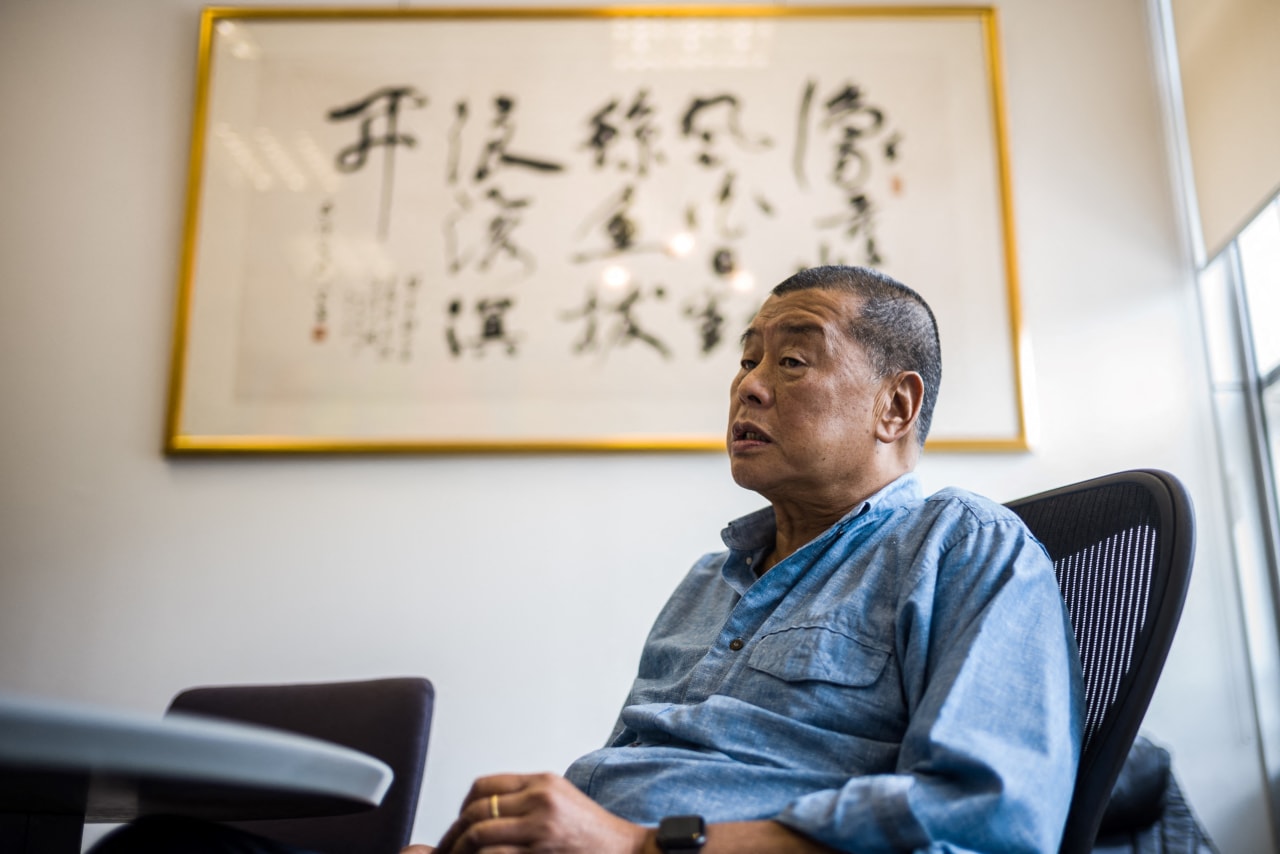
The Chinese Foreign Ministry has come under scrutiny following comments made by its spokesperson, Mao Ning, regarding free speech in Hong Kong. During a press briefing on October 3, 2023, Mao’s remarks sparked outrage among human rights advocates and raised concerns about the ongoing restrictions on freedom of expression in the region.
Mao’s comments were made in response to a question about the state of free speech in Hong Kong. The spokesperson asserted that the city enjoys “freedom of speech” while simultaneously defending recent legislation aimed at curbing dissent. This contradictory stance has led to allegations that the Chinese government is attempting to control the narrative surrounding civil liberties in Hong Kong.
Reactions from Human Rights Organizations
Human rights organizations swiftly condemned Mao’s statements. Human Rights Watch issued a statement highlighting the disconnect between the government’s assertions and the reality faced by many residents in Hong Kong. The organization has documented numerous instances where individuals have faced legal repercussions for expressing dissenting views.
According to Human Rights Watch, the imposition of the National Security Law in June 2020 has significantly restricted free speech and led to the arrest of pro-democracy activists, journalists, and everyday citizens. The law has been criticized for its vague definitions and broad application, allowing authorities to suppress any form of dissent.
Mao’s comments have drawn attention to a growing international concern regarding the Chinese government’s approach to free speech. Critics argue that the government is not only stifling dissent but also attempting to reshape public perception through propaganda.
International Implications
The implications of these developments extend beyond Hong Kong. The international community is increasingly wary of the Chinese government’s efforts to influence global narratives on human rights. In recent years, diplomats and leaders from various countries have expressed solidarity with Hong Kong residents and condemned the erosion of freedoms.
Organizations such as Amnesty International have called for greater international accountability and scrutiny of China’s actions in Hong Kong. With calls for action resonating from various corners of the globe, the pressure on the Chinese government to adhere to its commitments regarding human rights has intensified.
In light of these events, the situation in Hong Kong serves as a crucial point of reference for ongoing discussions about freedom of speech and human rights globally. The Chinese government’s attempts to control the narrative through statements like those made by Mao are being met with increasing resistance from both domestic and international actors.
As the situation develops, it remains to be seen how the Chinese Foreign Ministry will navigate the backlash from human rights advocates and the international community. The challenges posed by these comments are indicative of a broader struggle over the fundamental rights of individuals in Hong Kong and beyond.

Urgent Swatting Incident Ties Up Emergency Resources in Alabama

Urgent Tax Alert: Claim Your Deductions Before April 15!

Scientists Investigate Cosmic Defects: Where Are They Now?

Spring Bocce Leagues Open Registration in Rapid City

CALV Offers Essential Communication Class for Real Estate Pros

Samsung Galaxy Watch 9 Set for Larger 435mAh Battery Upgrade

Healthy Choice Wellness Reports Earnings, Stock Sees Uptick

Prince Harry Claims to Be ‘Antidote to Andrew’ Amid Royal Crisis

Pet Owners Weigh Kibble Against Fresh Dog Food Options

ALMA Discovers Companion Orbiting Giant Star π 1 Gruis

U.S. Visa Rescheduling Hits H‐1B Applicants as New Vetting Rules Take Effect

University of Hawaiʻi Joins $25.6M AI Project for Disaster Monitoring

F-22 Raptor vs. Su-57 Felon: A 2025 Fighter Jet Comparison

Recent Divorce Judgments from Iberia Parish Court Records

Ohio State Study Uncovers Brain Connectivity and Function Links

Prince Andrew Faces Fallout from Scandals and Allegations

Urgent: Flight Cancellations Loom at Texas Airports Amid Shutdown

Frank Dunn, Esteemed Builder and Community Leader, Passes Away at 89
-
 Science8 months ago
ALMA Discovers Companion Orbiting Giant Star π 1 Gruis
-
 Politics6 months ago
U.S. Visa Rescheduling Hits H‐1B Applicants as New Vetting Rules Take Effect
-
Science8 months ago
University of Hawaiʻi Joins $25.6M AI Project for Disaster Monitoring
-
 World8 months ago
F-22 Raptor vs. Su-57 Felon: A 2025 Fighter Jet Comparison
-
 Politics8 months ago
Recent Divorce Judgments from Iberia Parish Court Records
-
 Science9 months ago
Ohio State Study Uncovers Brain Connectivity and Function Links
-
 World8 months ago
Prince Andrew Faces Fallout from Scandals and Allegations
-
 Top Stories8 months ago
Urgent: Flight Cancellations Loom at Texas Airports Amid Shutdown
-
 Lifestyle8 months ago
Frank Dunn, Esteemed Builder and Community Leader, Passes Away at 89
-

 Business8 months ago
Appian Recognizes 2025 Partner Award Winners for Enterprise Innovation
-

 Entertainment6 months ago
Malachi Barton Tops Google Searches as Disney’s Rising Star of 2025
-

 Science9 months ago
Innovator Captures Light at 2 Billion Frames Per Second