
World
Ukraine’s Primary Care Clinics Revolutionize Opioid Treatment

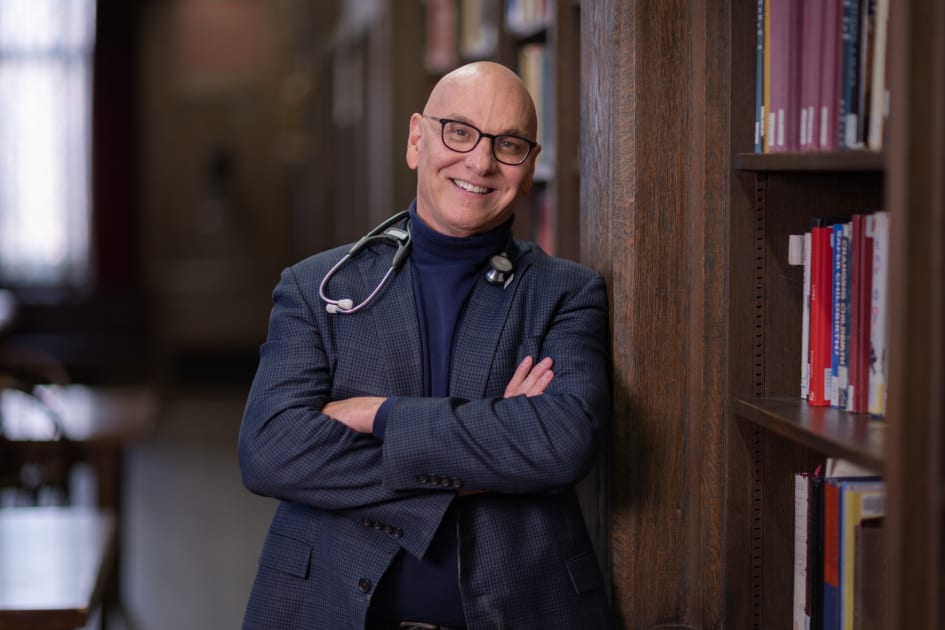
New research from a significant nationwide trial in Ukraine reveals that primary care clinics administering methadone for opioid use disorder (OUD) achieve outcomes comparable to specialty addiction treatment clinics. This approach not only improves addiction treatment but also expands access to vital preventative and chronic disease services. The findings, published in the Annals of Internal Medicine, highlight a promising path for enhancing healthcare access in low- and middle-income countries, particularly where the scarcity of addiction medicine experts remains a critical issue.
Eastern Europe and Central Asia face a dual crisis with rising rates of OUD, HIV, and tuberculosis. The research team, led by Frederick Lewis Altice, MD, a professor of medicine at Yale School of Medicine, implemented a telementoring program aimed at supporting primary care physicians in effectively treating these complex conditions. The most effective treatments for OUD include opioid agonist therapies, such as methadone and buprenorphine.
The telementoring initiative equipped Ukrainian physicians to administer methadone therapy not only for OUD but also to manage HIV and tuberculosis. Patients grappling with substance use disorders often experience shorter lifespans due to untreated non-communicable diseases. The research indicates that patients receiving treatment at primary care clinics not only showed similar results to those at specialty clinics regarding their addiction but were also more likely to access essential services for chronic diseases.
Additionally, this program significantly reduced the stigma associated with seeking treatment, improved the continuity of care for HIV and tuberculosis, and enhanced the resilience of the healthcare system. According to Altice, “For decades, methadone has been siloed in highly stigmatized specialty clinics that exist outside mainstream medicine. When we move treatment into primary care, we do not just treat addiction. We restore dignity, rebuild trust, and open doors to lifesaving services that have historically been out of reach.”
The study implemented the telementoring program across 26 primary care clinics in 13 Ukrainian cities between 2018 and 2024. Nearly 1,500 participants were enrolled, marking this trial as the largest of its kind in any low- or middle-income country. The structured telementoring program was designed to rapidly expand the expertise of primary care physicians. Through weekly one-hour virtual sessions, clinicians received real-time guidance on treating addiction, HIV, tuberculosis, and hepatitis.
Despite the challenges posed by the COVID-19 pandemic and ongoing conflicts due to Russia’s invasion, the program maintained a continuous pipeline of collaborative learning that bolstered clinical capacity. Kostyantyn Dumchev, MD, a senior investigator in Ukraine, noted that the weekly sessions became crucial for primary care providers, many of whom had never managed methadone before this initiative. “This approach created a community of practice that remained strong even during missile attacks, blackouts, and displacement,” Dumchev stated.
The study reported that patient retention rates were comparable, if not better, for those treated in primary care compared to specialty clinics. Primary care clinicians effectively achieved guideline-recommended dosing and expanded take-home methadone as their confidence increased. Remarkably, patients remained engaged with their treatment even during the most intense phases of the ongoing war, when many healthcare systems faced significant strain.
Moreover, patients treated at primary care clinics were significantly more likely to receive additional recommended services, including screenings for diabetes, cancer, and other conditions that commonly contribute to premature mortality among individuals with substance use disorders. Addressing these non-communicable diseases is crucial for closing the 10- to 25-year gap in premature mortality associated with substance use disorders.
First author Eteri Machavariani, MD, who conducted the study as a postdoctoral associate at Yale School of Medicine, highlighted the human impact of shifting care to trusted community settings. “Patients consistently told us that primary care felt safer, more respectful, and more connected to their other health needs,” she explained. “That change in environment alone made it easier for them to remain in care.”
These findings present a compelling model for other countries aiming to enhance opioid agonist therapies, improve chronic disease outcomes, and diminish the stigma that has long hindered addiction treatment. Altice emphasized that “at a time when overdose deaths are rising globally and addiction specialty systems are overstretched, the Ukrainian experience demonstrates that bringing methadone into primary care is not only feasible—it is transformative.”

Urgent Swatting Incident Ties Up Emergency Resources in Alabama

Urgent Tax Alert: Claim Your Deductions Before April 15!

Scientists Investigate Cosmic Defects: Where Are They Now?

Spring Bocce Leagues Open Registration in Rapid City

CALV Offers Essential Communication Class for Real Estate Pros

Samsung Galaxy Watch 9 Set for Larger 435mAh Battery Upgrade

Healthy Choice Wellness Reports Earnings, Stock Sees Uptick

Prince Harry Claims to Be ‘Antidote to Andrew’ Amid Royal Crisis

Pet Owners Weigh Kibble Against Fresh Dog Food Options

ALMA Discovers Companion Orbiting Giant Star π 1 Gruis

U.S. Visa Rescheduling Hits H‐1B Applicants as New Vetting Rules Take Effect

University of Hawaiʻi Joins $25.6M AI Project for Disaster Monitoring

F-22 Raptor vs. Su-57 Felon: A 2025 Fighter Jet Comparison

Recent Divorce Judgments from Iberia Parish Court Records

Ohio State Study Uncovers Brain Connectivity and Function Links

Prince Andrew Faces Fallout from Scandals and Allegations

Urgent: Flight Cancellations Loom at Texas Airports Amid Shutdown

Frank Dunn, Esteemed Builder and Community Leader, Passes Away at 89
-
 Science8 months ago
ALMA Discovers Companion Orbiting Giant Star π 1 Gruis
-
 Politics6 months ago
U.S. Visa Rescheduling Hits H‐1B Applicants as New Vetting Rules Take Effect
-
Science8 months ago
University of Hawaiʻi Joins $25.6M AI Project for Disaster Monitoring
-
 World8 months ago
F-22 Raptor vs. Su-57 Felon: A 2025 Fighter Jet Comparison
-
 Politics8 months ago
Recent Divorce Judgments from Iberia Parish Court Records
-
 Science9 months ago
Ohio State Study Uncovers Brain Connectivity and Function Links
-
 World8 months ago
Prince Andrew Faces Fallout from Scandals and Allegations
-
 Top Stories8 months ago
Urgent: Flight Cancellations Loom at Texas Airports Amid Shutdown
-
 Lifestyle8 months ago
Frank Dunn, Esteemed Builder and Community Leader, Passes Away at 89
-

 Business8 months ago
Appian Recognizes 2025 Partner Award Winners for Enterprise Innovation
-

 Entertainment6 months ago
Malachi Barton Tops Google Searches as Disney’s Rising Star of 2025
-

 Science9 months ago
Innovator Captures Light at 2 Billion Frames Per Second