
Science
Breakthrough Biomedical Innovations Reshape Healthcare Landscape in 2025

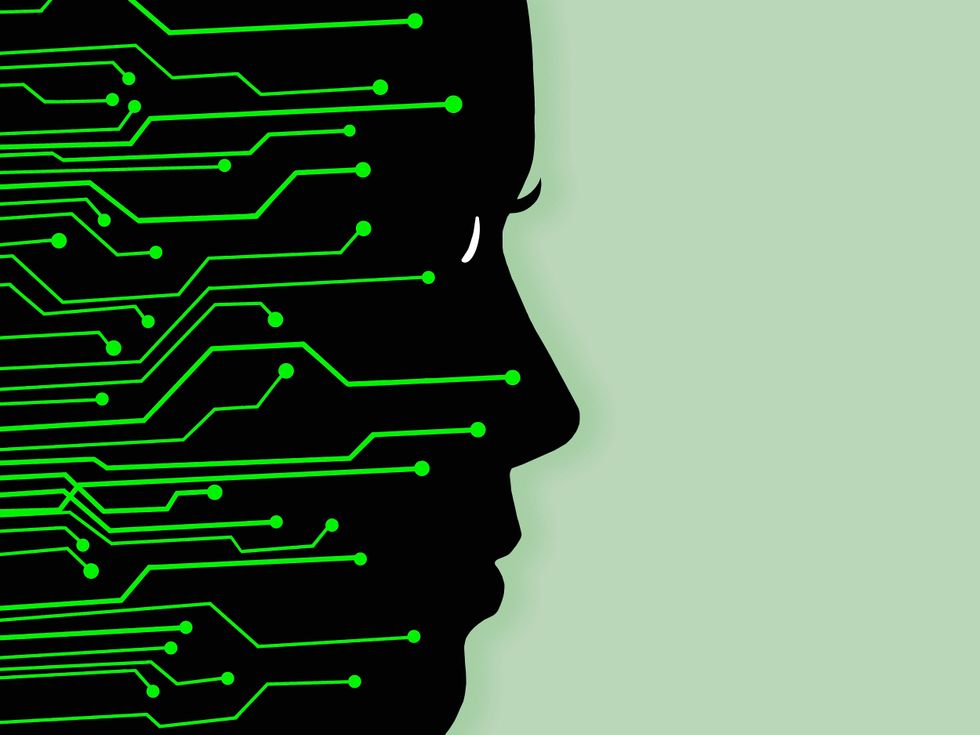
The biomedical field has witnessed significant advancements in 2025, with innovations that bridge the gap between emerging technologies and established methods. According to a report by IEEE Spectrum, the year highlighted a range of developments, from advanced brain implants to novel uses of Wi-Fi and lasers. As the industry continues to evolve, these technologies promise to enhance patient care and treatment outcomes.
Next-Generation Brain Implants Transform Mental Health Treatment
One of the most groundbreaking advancements comes from collaborations involving the Georgia Institute of Technology and the Icahn School of Medicine at Mt. Sinai. Researchers have developed a real-time monitoring system for mental health, leveraging brain implants. Patricio Riva Posse, a psychiatrist at Emory University School of Medicine, noted that these implants can detect signals of worsening depression before the patient is even aware of their condition. The system utilizes AI to analyze brain activity, providing an automatic alarm for clinicians to intervene more promptly.
Neurosurgeon Nir Lipsman emphasized the potential for various approaches using these implants, suggesting numerous pathways for therapeutic intervention.
Innovative Uses of Graphene Tattoos and Wi-Fi Technology
At the University of Massachusetts Amherst, researchers led by Dmitry Kireev are making strides with ultra-thin graphene tattoos that function as biosensors. These electronic tattoos are designed to monitor vital signs, potentially aiding in the management of complex medical conditions such as cardiovascular and neurodegenerative diseases. Kireev highlighted that nearly half of U.S. adults may unknowingly face early stages of these disorders.
In another innovative approach, researchers at the University of California, Santa Cruz have developed a system called Pulse-Fi, which utilizes Wi-Fi signals to monitor heart rates from a distance of up to 10 feet. Katia Obraczka, a computer scientist, explained that this low-cost technology, priced at approximately USD 40, provides a non-intrusive method for heart monitoring, adaptable to various environments and user postures.
Ultrasound and Laser Technology Open New Treatment Avenues
Biomedical researchers at the Institute of Bioelectronic Medicine are exploring the potential of ultrasound waves to activate neurons. Sangeeta S. Chavan and Stavros Zanos propose that targeted ultrasound could serve as a safer alternative to medications for treating inflammation and diabetes. Their findings suggest a mechanism where ultrasound vibrations influence neuronal activity, potentially addressing the root causes of several conditions.
In a remarkable leap forward, a team at the University of Glasgow has succeeded in transmitting lasers through human tissue, challenging previously held beliefs about light absorption in the body. Project lead Jack Radford stated, “What was thought impossible, we’ve shown to be possible,” indicating that this breakthrough could pave the way for innovative diagnostic technologies that combine affordability with depth of insight.
Robotic Advancements in Surgical Procedures
Finally, the realm of robotics is set to revolutionize surgical practices. Researchers from Johns Hopkins University are advancing the capabilities of the Smart Tissue Autonomous Robot (STAR). This robotic system performed its first autonomous soft-tissue surgery in a live animal back in 2016, and efforts are ongoing to incorporate autonomous robots into operating rooms. The authors of a recent article highlighted that a future where patients are assisted by both human surgeons and robotic technology is becoming increasingly feasible.
The developments of 2025 illustrate a concerted effort across institutions to merge new technologies with established practices. Whether through groundbreaking brain implants or the innovative use of lasers and robotics, the evolution of the biomedical landscape promises to enhance healthcare delivery and patient outcomes significantly. As these technologies continue to mature, IEEE Spectrum pledges to monitor and report on these crucial advancements in the coming years.

Urgent Swatting Incident Ties Up Emergency Resources in Alabama

Urgent Tax Alert: Claim Your Deductions Before April 15!

Scientists Investigate Cosmic Defects: Where Are They Now?

Spring Bocce Leagues Open Registration in Rapid City

CALV Offers Essential Communication Class for Real Estate Pros

Samsung Galaxy Watch 9 Set for Larger 435mAh Battery Upgrade

Healthy Choice Wellness Reports Earnings, Stock Sees Uptick

Prince Harry Claims to Be ‘Antidote to Andrew’ Amid Royal Crisis

Pet Owners Weigh Kibble Against Fresh Dog Food Options

ALMA Discovers Companion Orbiting Giant Star π 1 Gruis

U.S. Visa Rescheduling Hits H‐1B Applicants as New Vetting Rules Take Effect

University of Hawaiʻi Joins $25.6M AI Project for Disaster Monitoring

F-22 Raptor vs. Su-57 Felon: A 2025 Fighter Jet Comparison

Recent Divorce Judgments from Iberia Parish Court Records

Urgent: Flight Cancellations Loom at Texas Airports Amid Shutdown

Ohio State Study Uncovers Brain Connectivity and Function Links

Frank Dunn, Esteemed Builder and Community Leader, Passes Away at 89

Appian Recognizes 2025 Partner Award Winners for Enterprise Innovation
-
 Science10 months ago
ALMA Discovers Companion Orbiting Giant Star π 1 Gruis
-
 Politics8 months ago
U.S. Visa Rescheduling Hits H‐1B Applicants as New Vetting Rules Take Effect
-
Science10 months ago
University of Hawaiʻi Joins $25.6M AI Project for Disaster Monitoring
-
 World10 months ago
F-22 Raptor vs. Su-57 Felon: A 2025 Fighter Jet Comparison
-
 Politics9 months ago
Recent Divorce Judgments from Iberia Parish Court Records
-
 Top Stories10 months ago
Urgent: Flight Cancellations Loom at Texas Airports Amid Shutdown
-
 Science10 months ago
Ohio State Study Uncovers Brain Connectivity and Function Links
-
 Lifestyle10 months ago
Frank Dunn, Esteemed Builder and Community Leader, Passes Away at 89
-
 Business10 months ago
Appian Recognizes 2025 Partner Award Winners for Enterprise Innovation
-

 World10 months ago
Prince Andrew Faces Fallout from Scandals and Allegations
-

 Entertainment8 months ago
Malachi Barton Tops Google Searches as Disney’s Rising Star of 2025
-

 Top Stories9 months ago
Republican Matt Van Epps Wins Tennessee Special Election