
Science
Amputation: How Renaissance Surgery Redefined the Human Body

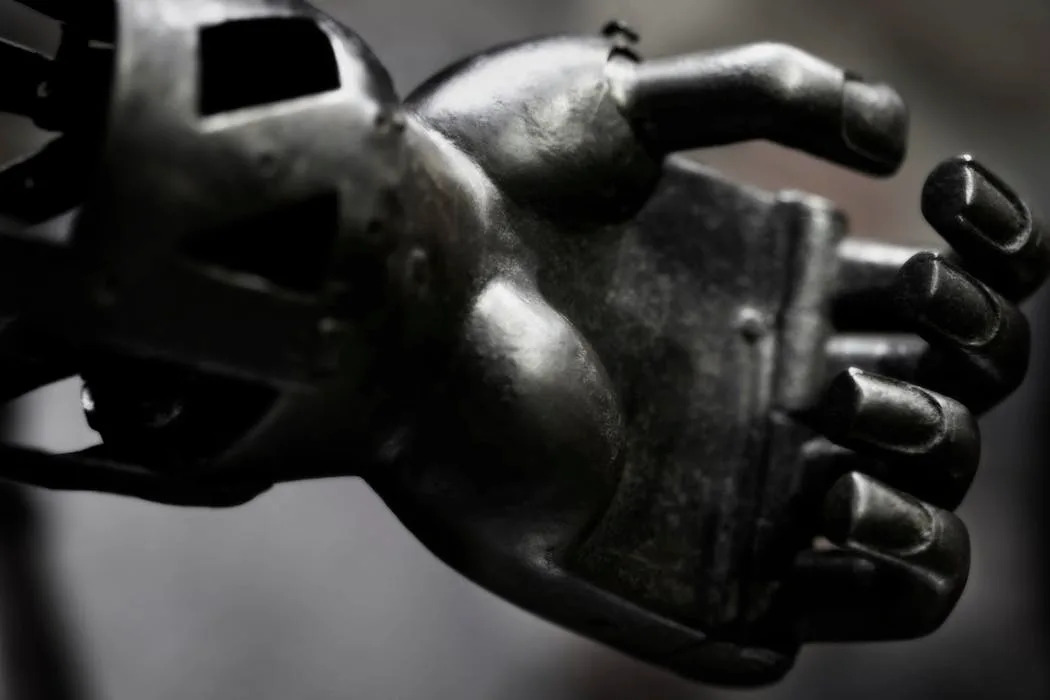
The evolution of surgical practices during the Renaissance marked a significant shift in how humans approached the alteration of the body. Between the 16th and 17th centuries, attitudes toward amputation transformed dramatically, paving the way for modern medicine’s complex relationship with surgical interventions and prosthetics. This period laid the groundwork for contemporary practices, where artificial limbs and advanced surgical techniques are standard.
Historical Context of Amputation
Amputation was often perceived as a last resort due to the high risk of death associated with the procedure. However, as European surgeons began to embrace the potential of surgery, they moved from a hesitance to perform these operations to developing multiple techniques by the 1700s. This shift paralleled the American Civil War, where surgeons conducted around 60,000 amputations in an effort to save lives, often performing the procedure in as little as three minutes per limb.
The innovation in surgical practices stemmed from two critical developments during the Renaissance: the rise of gunpowder warfare and the advent of the printing press. The brutal nature of gunfire injuries necessitated swift surgical responses, while the printing press allowed surgeons to disseminate their findings and techniques, leading to a more informed medical community.
Surgeons began to explore more advanced methods for amputation, employing techniques that, while gruesome, were based on an evolving understanding of anatomy and the need for rapid intervention. For instance, they utilized methods that involved cutting through dead tissue and cauterizing wounds to control bleeding.
The Role of Artisans and Innovations in Prosthetics
As surgeons advanced their skills, amputees also began to seek creative solutions for replacing lost limbs. The late 15th century saw the emergence of the mechanical iron hand, a significant departure from traditional wooden prosthetics. These devices, often custom-made by artisans, featured intricate designs and functional elements, such as movable fingers activated by internal mechanisms.
Survival rates for amputation during this era could be as low as 25%, making the development of prosthetics crucial for those who survived. Unlike today, where a doctor’s prescription is required for an artificial limb, early modern amputees relied on their ingenuity and local craftsmen to create functional devices. The resulting iron hands were not only practical but also served as symbols of resilience, challenging societal perceptions of disability.
The advent of these complex prosthetics marked a pivotal moment in medical history. They encouraged surgeons to consider the integration of artificial limbs during amputations, cultivating an optimistic view of what could be achieved with surgical intervention.
Iron hands became culturally significant, prompting discussions among surgeons about their placement and usage. Although traditional scholarship has often romanticized these devices as the tools of knights, research indicates that many were used by individuals outside the warrior class.
The legacy of these innovations is evident in today’s prosthetics industry, which continues to evolve with technology. The collaboration between surgeons, amputees, and artisans during the Renaissance set the foundation for the modern understanding of the body as a malleable entity, capable of adaptation and enhancement through medical intervention.
As the field of medicine progresses, the principles established during the Renaissance continue to influence contemporary practices. The profound shift in attitudes towards surgery and artificial limbs during this period not only altered medical techniques but also reshaped societal views on disability and human capability.
This exploration of historical practices is essential for understanding the complexities of modern medicine and the ongoing quest for improved patient outcomes. The interaction between surgical innovation and societal perceptions of the body remains a critical area of study, highlighting the enduring impact of Renaissance advancements on today’s medical landscape.

Urgent Swatting Incident Ties Up Emergency Resources in Alabama

Urgent Tax Alert: Claim Your Deductions Before April 15!

Scientists Investigate Cosmic Defects: Where Are They Now?

Spring Bocce Leagues Open Registration in Rapid City

CALV Offers Essential Communication Class for Real Estate Pros

Samsung Galaxy Watch 9 Set for Larger 435mAh Battery Upgrade

Healthy Choice Wellness Reports Earnings, Stock Sees Uptick

Prince Harry Claims to Be ‘Antidote to Andrew’ Amid Royal Crisis

Pet Owners Weigh Kibble Against Fresh Dog Food Options

ALMA Discovers Companion Orbiting Giant Star π 1 Gruis

U.S. Visa Rescheduling Hits H‐1B Applicants as New Vetting Rules Take Effect

University of Hawaiʻi Joins $25.6M AI Project for Disaster Monitoring

F-22 Raptor vs. Su-57 Felon: A 2025 Fighter Jet Comparison

Recent Divorce Judgments from Iberia Parish Court Records

Urgent: Flight Cancellations Loom at Texas Airports Amid Shutdown

Ohio State Study Uncovers Brain Connectivity and Function Links

Frank Dunn, Esteemed Builder and Community Leader, Passes Away at 89

Appian Recognizes 2025 Partner Award Winners for Enterprise Innovation
-
 Science9 months ago
ALMA Discovers Companion Orbiting Giant Star π 1 Gruis
-
 Politics8 months ago
U.S. Visa Rescheduling Hits H‐1B Applicants as New Vetting Rules Take Effect
-
Science10 months ago
University of Hawaiʻi Joins $25.6M AI Project for Disaster Monitoring
-
 World10 months ago
F-22 Raptor vs. Su-57 Felon: A 2025 Fighter Jet Comparison
-
 Politics9 months ago
Recent Divorce Judgments from Iberia Parish Court Records
-
 Top Stories10 months ago
Urgent: Flight Cancellations Loom at Texas Airports Amid Shutdown
-
 Science10 months ago
Ohio State Study Uncovers Brain Connectivity and Function Links
-
 Lifestyle10 months ago
Frank Dunn, Esteemed Builder and Community Leader, Passes Away at 89
-
 Business10 months ago
Appian Recognizes 2025 Partner Award Winners for Enterprise Innovation
-

 World10 months ago
Prince Andrew Faces Fallout from Scandals and Allegations
-

 Entertainment8 months ago
Malachi Barton Tops Google Searches as Disney’s Rising Star of 2025
-

 Top Stories9 months ago
Republican Matt Van Epps Wins Tennessee Special Election