
World
UN Report Reveals Systematic Denial of Healthcare for Afghan Women

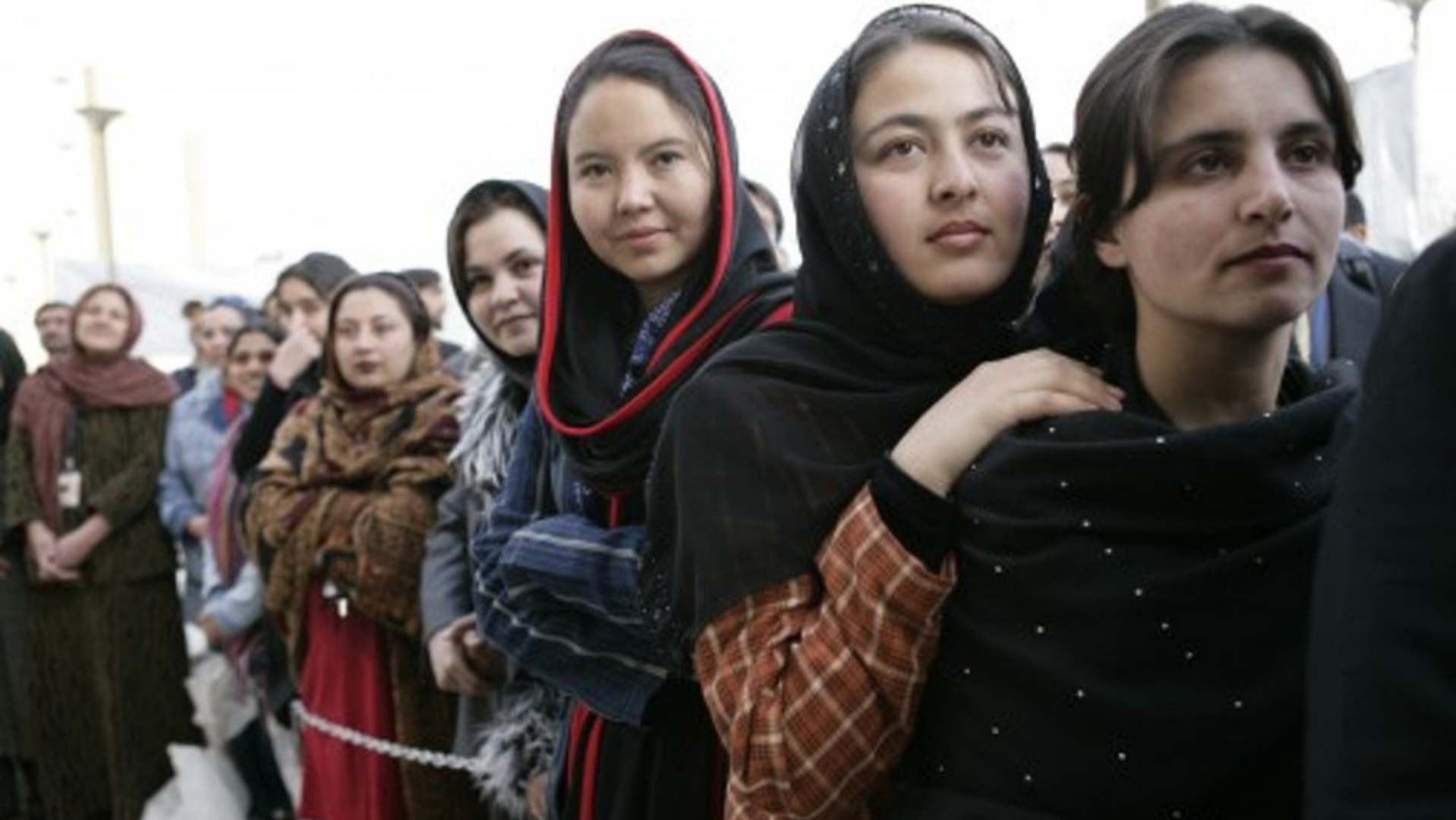
A recent report from the United Nations highlights severe restrictions on healthcare access for women in Afghanistan, revealing a troubling pattern of gender discrimination imposed by the Taliban. The findings, presented by Richard Bennett, the UN Special Rapporteur on the situation of human rights in Afghanistan, detail how these policies amount to crimes against humanity.
Bennett’s report, released on December 11, 2025, asserts that the Taliban’s gender-oppressive measures limit women’s rights to education, employment, and freedom of movement. “These policies are not isolated measures,” Bennett stated. “They form an institutionalized system of gender discrimination that denies women and girls autonomy over their own bodies, health, and futures.” This systematic approach to oppression illustrates the severe impact of the Taliban’s governance on Afghan women’s lives.
The healthcare system in Afghanistan was already vulnerable due to decades of conflict and underinvestment, relying heavily on international support. However, the current healthcare crisis transcends these historical factors. To compile this report, Bennett conducted focus group discussions and individual interviews with 137 Afghans from 29 provinces. Additionally, the report incorporates data from a survey of 8,085 women across 33 provinces, conducted by the organization Bishnaw, which specializes in gathering Afghan women’s opinions.
Since the Taliban regained control in August 2021, numerous human rights violations against women have been documented by various rights organizations and international bodies. These violations have included restrictions on movement and employment, as well as broader societal oppression.
On January 2023, the Taliban enacted a controversial law permitting husbands to physically discipline their wives and children, provided that such punishment does not result in broken bones or open wounds. This legislation has raised alarms among human rights advocates and prompted calls for international intervention.
A coalition of Afghan and international civil society organizations is preparing to address the amended penal code at the upcoming 61st Session of the UN Human Rights Council. Their aim is to shed light on the ongoing human rights abuses and advocate for the rights of Afghan women, who continue to face systemic discrimination.
The situation in Afghanistan underscores a significant crisis that extends beyond mere statistics. It represents a human rights emergency affecting millions of women and girls who are denied basic access to healthcare and autonomy over their lives. The implications of these systemic restrictions are far-reaching, threatening not only individual health but also the broader societal fabric of Afghanistan.
As international organizations and rights groups continue to monitor the situation, the call for accountability and action remains urgent. The evidence presented in Bennett’s report is a crucial step in understanding the severe reality faced by Afghan women today.

Urgent Swatting Incident Ties Up Emergency Resources in Alabama

Urgent Tax Alert: Claim Your Deductions Before April 15!

Scientists Investigate Cosmic Defects: Where Are They Now?

Spring Bocce Leagues Open Registration in Rapid City

CALV Offers Essential Communication Class for Real Estate Pros

Samsung Galaxy Watch 9 Set for Larger 435mAh Battery Upgrade

Healthy Choice Wellness Reports Earnings, Stock Sees Uptick

Prince Harry Claims to Be ‘Antidote to Andrew’ Amid Royal Crisis

Pet Owners Weigh Kibble Against Fresh Dog Food Options

ALMA Discovers Companion Orbiting Giant Star π 1 Gruis

U.S. Visa Rescheduling Hits H‐1B Applicants as New Vetting Rules Take Effect

University of Hawaiʻi Joins $25.6M AI Project for Disaster Monitoring

F-22 Raptor vs. Su-57 Felon: A 2025 Fighter Jet Comparison

Recent Divorce Judgments from Iberia Parish Court Records

Urgent: Flight Cancellations Loom at Texas Airports Amid Shutdown

Ohio State Study Uncovers Brain Connectivity and Function Links

Frank Dunn, Esteemed Builder and Community Leader, Passes Away at 89

Appian Recognizes 2025 Partner Award Winners for Enterprise Innovation
-
 Science9 months ago
ALMA Discovers Companion Orbiting Giant Star π 1 Gruis
-
 Politics7 months ago
U.S. Visa Rescheduling Hits H‐1B Applicants as New Vetting Rules Take Effect
-
Science10 months ago
University of Hawaiʻi Joins $25.6M AI Project for Disaster Monitoring
-
 World10 months ago
F-22 Raptor vs. Su-57 Felon: A 2025 Fighter Jet Comparison
-
 Politics9 months ago
Recent Divorce Judgments from Iberia Parish Court Records
-
 Top Stories10 months ago
Urgent: Flight Cancellations Loom at Texas Airports Amid Shutdown
-
 Science10 months ago
Ohio State Study Uncovers Brain Connectivity and Function Links
-
 Lifestyle10 months ago
Frank Dunn, Esteemed Builder and Community Leader, Passes Away at 89
-
 Business9 months ago
Appian Recognizes 2025 Partner Award Winners for Enterprise Innovation
-

 World10 months ago
Prince Andrew Faces Fallout from Scandals and Allegations
-

 Entertainment8 months ago
Malachi Barton Tops Google Searches as Disney’s Rising Star of 2025
-

 Top Stories9 months ago
Republican Matt Van Epps Wins Tennessee Special Election