
World
UN Court Launches Hearings on Myanmar’s Alleged Genocide Against Rohingya

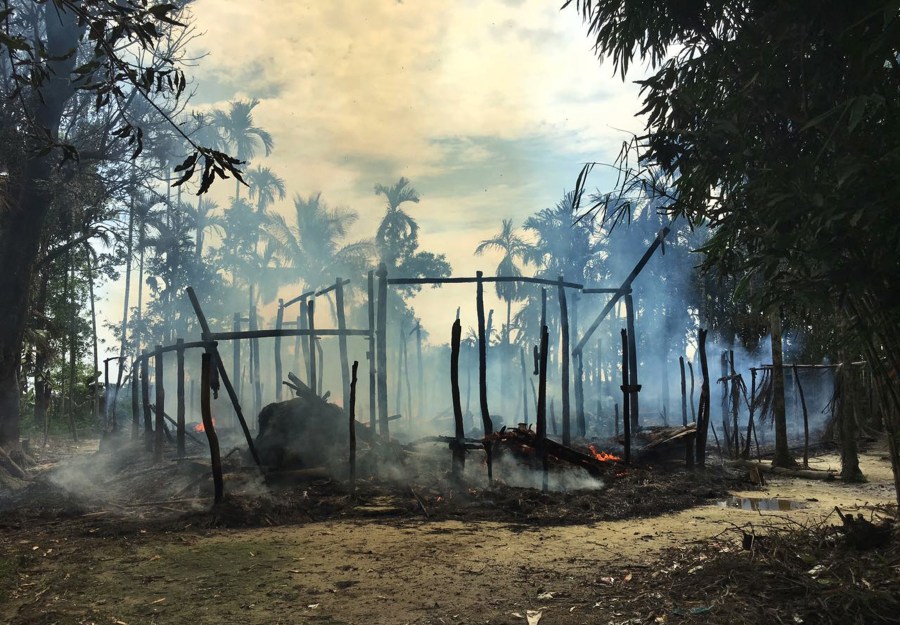
The International Court of Justice (ICJ) in The Hague has commenced hearings regarding allegations that Myanmar committed genocide against the Rohingya ethnic minority. This significant legal proceeding began on March 27, 2024, following a case first filed by the West African nation of Gambia in 2019. Gambia accuses Myanmar of serious violations of the Genocide Convention, asserting that the country has inflicted severe harm on the Rohingya people.
Gambia’s case is part of a broader response to the humanitarian crisis that erupted in 2017 when over 700,000 Rohingya fled to neighboring Bangladesh to escape what many international observers have described as ethnic cleansing. The hearings at the ICJ will examine whether Myanmar is indeed responsible for acts of genocide, including killings, torture, and the destruction of property. The outcome could have profound implications for international law and the protection of minority rights.
Myanmar has consistently denied allegations of genocide, claiming its military operations were legitimate counterinsurgency measures against the Arakan Rohingya Salvation Army. The government argues that it has acted appropriately in response to attacks on security forces. The hearings will feature testimonies and evidence from both sides, with Gambia seeking to demonstrate the scale and intent behind Myanmar’s actions.
The ICJ, which is the principal judicial organ of the United Nations, has the authority to decide on disputes between states regarding international law. Its rulings, while binding, may lack enforcement mechanisms, relying instead on the United Nations Security Council for compliance. The court’s decision could also influence diplomatic relations and international efforts to hold Myanmar accountable for its actions.
In addition to the legal proceedings, the humanitarian situation for the Rohingya remains dire. Many continue to live in overcrowded refugee camps in Bangladesh, facing challenges such as lack of access to education and healthcare. Human rights organizations have called on the international community to put pressure on Myanmar to allow for accountability and to improve conditions for the Rohingya.
The hearings are expected to last several weeks, with both legal experts and witnesses presenting their cases. Observers are keenly watching the proceedings, as the ruling could set a precedent for how the international community addresses allegations of genocide and other grave human rights violations in the future. The world awaits the ICJ’s findings, which could shape the trajectory of justice for the Rohingya people and influence Myanmar’s standing on the global stage.

Urgent Swatting Incident Ties Up Emergency Resources in Alabama

Urgent Tax Alert: Claim Your Deductions Before April 15!

Scientists Investigate Cosmic Defects: Where Are They Now?

Spring Bocce Leagues Open Registration in Rapid City

CALV Offers Essential Communication Class for Real Estate Pros

Samsung Galaxy Watch 9 Set for Larger 435mAh Battery Upgrade

Healthy Choice Wellness Reports Earnings, Stock Sees Uptick

Prince Harry Claims to Be ‘Antidote to Andrew’ Amid Royal Crisis

Pet Owners Weigh Kibble Against Fresh Dog Food Options

ALMA Discovers Companion Orbiting Giant Star π 1 Gruis

U.S. Visa Rescheduling Hits H‐1B Applicants as New Vetting Rules Take Effect

University of Hawaiʻi Joins $25.6M AI Project for Disaster Monitoring

F-22 Raptor vs. Su-57 Felon: A 2025 Fighter Jet Comparison

Recent Divorce Judgments from Iberia Parish Court Records

Ohio State Study Uncovers Brain Connectivity and Function Links

Prince Andrew Faces Fallout from Scandals and Allegations

Urgent: Flight Cancellations Loom at Texas Airports Amid Shutdown

Frank Dunn, Esteemed Builder and Community Leader, Passes Away at 89
-
 Science8 months ago
ALMA Discovers Companion Orbiting Giant Star π 1 Gruis
-
 Politics6 months ago
U.S. Visa Rescheduling Hits H‐1B Applicants as New Vetting Rules Take Effect
-
Science8 months ago
University of Hawaiʻi Joins $25.6M AI Project for Disaster Monitoring
-
 World8 months ago
F-22 Raptor vs. Su-57 Felon: A 2025 Fighter Jet Comparison
-
 Politics8 months ago
Recent Divorce Judgments from Iberia Parish Court Records
-
 Science8 months ago
Ohio State Study Uncovers Brain Connectivity and Function Links
-
 World8 months ago
Prince Andrew Faces Fallout from Scandals and Allegations
-
 Top Stories8 months ago
Urgent: Flight Cancellations Loom at Texas Airports Amid Shutdown
-
 Lifestyle8 months ago
Frank Dunn, Esteemed Builder and Community Leader, Passes Away at 89
-

 Business8 months ago
Appian Recognizes 2025 Partner Award Winners for Enterprise Innovation
-

 Entertainment6 months ago
Malachi Barton Tops Google Searches as Disney’s Rising Star of 2025
-

 Science9 months ago
Innovator Captures Light at 2 Billion Frames Per Second