
World
Trump Threatens Military Action Against Nigeria Over Persecution

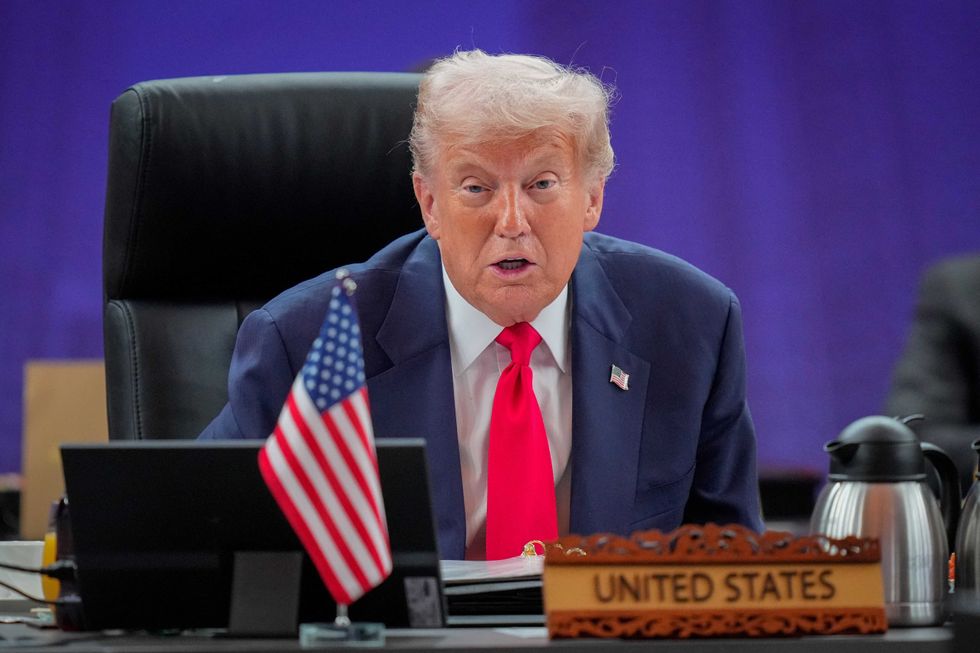
Former President Donald Trump announced on March 9, 2024, that the United States may take military action against Nigeria in response to ongoing persecution of Christians. This statement marks a significant escalation from earlier suggestions of sanctions against the Nigerian government for allegedly failing to protect its Christian population. Trump characterized Nigeria as a “disgraced country,” a label that has been met with strong denials from Nigerian officials regarding the accusations of religious persecution.
During a post on Truth Social, Trump stated, “If the Nigerian Government continues to allow the killing of Christians, the U.S.A. will immediately stop all aid and assistance to Nigeria, and may very well go into that now disgraced country, ‘guns-a-blazing,’ to completely wipe out the Islamic Terrorists who are committing these horrible atrocities.” He further instructed the Department of War to prepare for potential military action, describing any possible strike as “fast, vicious, and sweet,” reflecting the nature of the attacks on Christians that he condemns.
Nigerian officials have responded to Trump’s statements by categorically denying any allegations of neglecting the safety of Christians in the country. They assert that the government is committed to ensuring the protection of all its citizens, regardless of their religious affiliation. The tension between the two nations has been growing, especially as reports of violence against Christians have surfaced in various regions of Nigeria.
The implications of Trump’s remarks are significant, as they could lead to a reassessment of U.S. foreign policy towards Nigeria. The potential withdrawal of aid may have far-reaching consequences for a country already grappling with numerous socio-economic challenges. Nigeria relies heavily on international assistance, and any reduction could exacerbate existing issues such as poverty and instability.
This latest development comes amidst ongoing debates about the United States’ role in international human rights advocacy and military interventions. Trump’s rhetoric has reignited discussions about the effectiveness and ethics of using military force as a solution to foreign policy challenges.
As the situation evolves, the international community will be closely monitoring the responses from both the U.S. and Nigerian governments. The potential for military conflict raises concerns not only about the immediate consequences for Nigerian citizens but also about broader geopolitical ramifications in the West African region.
The urgency of the matter has been underscored by Trump’s emphatic warning to Nigerian authorities, urging them to act swiftly to prevent further escalation. Observers will be watching for any official statements from the U.S. government regarding the feasibility and planning of military options in response to the ongoing situation in Nigeria.

Urgent Swatting Incident Ties Up Emergency Resources in Alabama

Urgent Tax Alert: Claim Your Deductions Before April 15!

Scientists Investigate Cosmic Defects: Where Are They Now?

Spring Bocce Leagues Open Registration in Rapid City

CALV Offers Essential Communication Class for Real Estate Pros

Samsung Galaxy Watch 9 Set for Larger 435mAh Battery Upgrade

Healthy Choice Wellness Reports Earnings, Stock Sees Uptick

Prince Harry Claims to Be ‘Antidote to Andrew’ Amid Royal Crisis

Pet Owners Weigh Kibble Against Fresh Dog Food Options

ALMA Discovers Companion Orbiting Giant Star π 1 Gruis

U.S. Visa Rescheduling Hits H‐1B Applicants as New Vetting Rules Take Effect

University of Hawaiʻi Joins $25.6M AI Project for Disaster Monitoring

F-22 Raptor vs. Su-57 Felon: A 2025 Fighter Jet Comparison

Recent Divorce Judgments from Iberia Parish Court Records

Urgent: Flight Cancellations Loom at Texas Airports Amid Shutdown

Ohio State Study Uncovers Brain Connectivity and Function Links

Frank Dunn, Esteemed Builder and Community Leader, Passes Away at 89

Appian Recognizes 2025 Partner Award Winners for Enterprise Innovation
-
 Science9 months ago
ALMA Discovers Companion Orbiting Giant Star π 1 Gruis
-
 Politics7 months ago
U.S. Visa Rescheduling Hits H‐1B Applicants as New Vetting Rules Take Effect
-
Science10 months ago
University of Hawaiʻi Joins $25.6M AI Project for Disaster Monitoring
-
 World10 months ago
F-22 Raptor vs. Su-57 Felon: A 2025 Fighter Jet Comparison
-
 Politics9 months ago
Recent Divorce Judgments from Iberia Parish Court Records
-
 Top Stories10 months ago
Urgent: Flight Cancellations Loom at Texas Airports Amid Shutdown
-
 Science10 months ago
Ohio State Study Uncovers Brain Connectivity and Function Links
-
 Lifestyle10 months ago
Frank Dunn, Esteemed Builder and Community Leader, Passes Away at 89
-
 Business9 months ago
Appian Recognizes 2025 Partner Award Winners for Enterprise Innovation
-

 World10 months ago
Prince Andrew Faces Fallout from Scandals and Allegations
-

 Entertainment8 months ago
Malachi Barton Tops Google Searches as Disney’s Rising Star of 2025
-

 Top Stories9 months ago
Republican Matt Van Epps Wins Tennessee Special Election