
World
Trump Proposes Nuclear Testing Resumption Amid Controversy

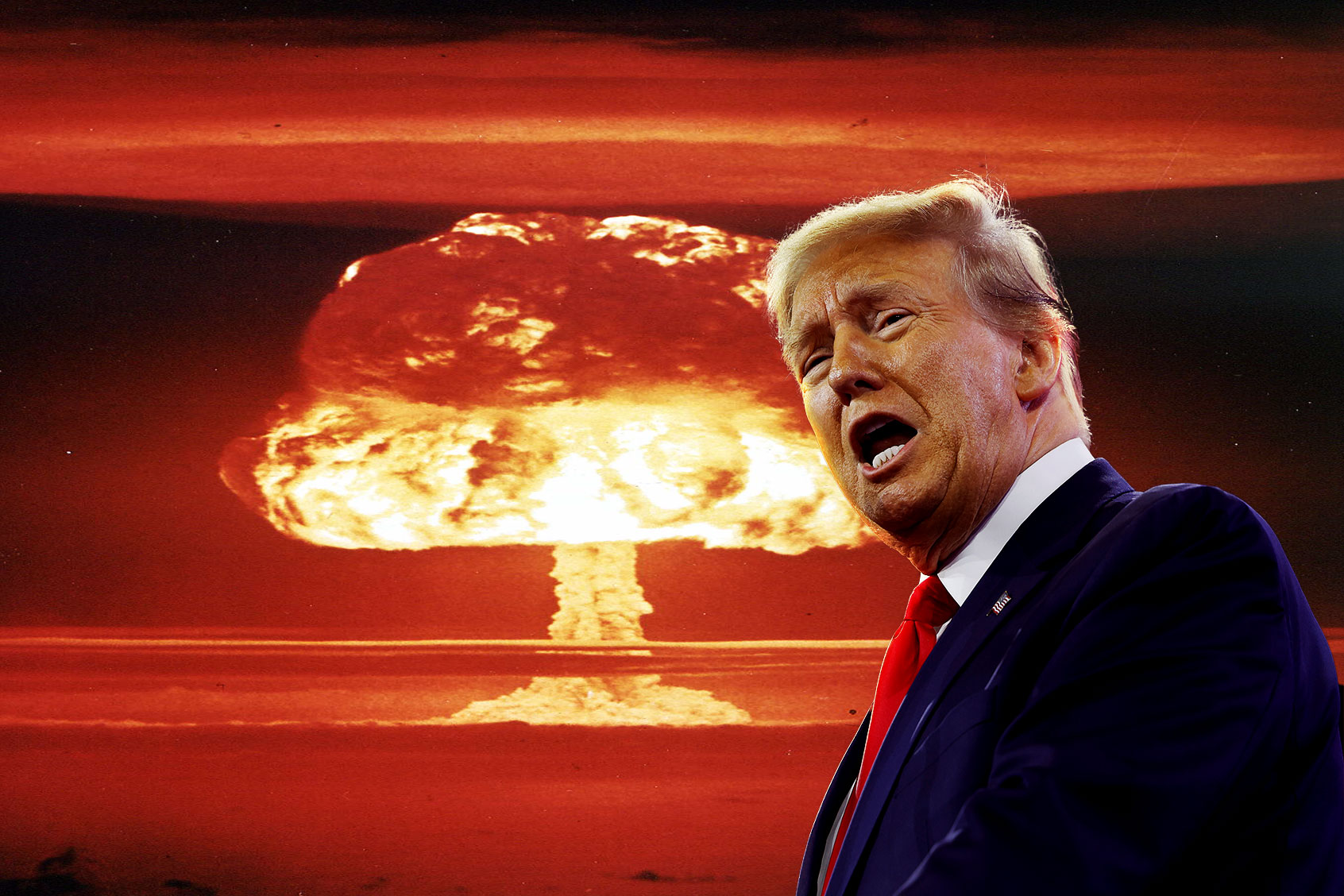
In a surprising announcement, President Donald Trump declared his intention to resume nuclear testing, ending a three-decade moratorium. This decision came during his return from a trip to Asia and has raised significant concern among international observers and analysts alike. The rationale provided by Trump—that other nations are actively testing their nuclear weapons—has been met with skepticism, as the only country to conduct such tests in recent years is North Korea.
Testing and Tensions in Global Politics
Trump’s statement follows an alarming trend in international relations, particularly concerning North Korea under leader Kim Jong Un. Despite previous diplomatic overtures between Trump and Kim, including exchanged letters and public statements of friendship, North Korea has continued to develop its nuclear capabilities. The last nuclear tests conducted by other nuclear powers occurred in the 1990s, leaving many to question the basis of Trump’s claims.
Amid this backdrop, speculation has arisen about the influences behind Trump’s sudden shift in focus. Some suggest that recent media, such as the film “House Full of Dynamite,” directed by Kathryn Bigelow, may have contributed to his concerns about America’s nuclear arsenal. The film portrays a chilling scenario involving a nuclear strike on the United States, prompting discussions about the consequences of nuclear warfare.
While Trump has often referenced his uncle, Dr. John G. Trump, a physicist who taught at the Massachusetts Institute of Technology, as evidence of his own expertise in nuclear matters, his past statements raise questions about his understanding of the complexities surrounding nuclear arms. In a 1984 interview with the Washington Post, Trump expressed a desire to negotiate an arms agreement with the Soviet Union, despite lacking detailed plans.
The Fallout of Trump’s Nuclear Commentary
Throughout his political career, Trump has made several controversial statements regarding nuclear weapons. During the 2016 presidential campaign, he reportedly questioned his foreign policy advisers about the feasibility of using nuclear weapons, even suggesting that the United States should have a similar arsenal as its predecessors. His comments during a Pentagon briefing indicated a surprising lack of knowledge about the history of nuclear arms control agreements, which have successfully reduced the U.S. nuclear stockpile from over 30,000 warheads to around 3,800 today.
Concerns about Trump’s approach to nuclear weapons are compounded by the current composition of his administration. Defense Secretary Pete Hegseth oversees a team that includes individuals advocating for a more aggressive nuclear policy. Elbridge A. Colby, the Undersecretary of Defense for Policy, has previously recommended a strategic posture that allows for the use of nuclear weapons in response to cyber attacks, further complicating the discourse on nuclear deterrence.
Critics argue that resuming nuclear tests is unnecessary, given the advanced testing systems in place that do not require actual detonations. As noted by Tom Nichols in The Atlantic, while nuclear tests do not enhance U.S. national security, they could escalate international tensions, mirroring Cold War-era practices that ultimately harmed global stability.
As Trump navigates this contentious issue, the implications for U.S. foreign policy remain significant. The potential for increased nuclear testing raises alarms not only within the United States but also among international allies and adversaries. The prospect of Trump making unilateral decisions on such critical matters highlights the urgent need for informed leadership in nuclear strategy.
In conclusion, Trump’s recent statements and proposed actions regarding nuclear testing demonstrate a troubling disconnect between rhetoric and reality. As the world watches, the implications of these decisions could reshape the landscape of international security for years to come.

Urgent Swatting Incident Ties Up Emergency Resources in Alabama

Urgent Tax Alert: Claim Your Deductions Before April 15!

Scientists Investigate Cosmic Defects: Where Are They Now?

Spring Bocce Leagues Open Registration in Rapid City

CALV Offers Essential Communication Class for Real Estate Pros

Samsung Galaxy Watch 9 Set for Larger 435mAh Battery Upgrade

Healthy Choice Wellness Reports Earnings, Stock Sees Uptick

Prince Harry Claims to Be ‘Antidote to Andrew’ Amid Royal Crisis

Pet Owners Weigh Kibble Against Fresh Dog Food Options

ALMA Discovers Companion Orbiting Giant Star π 1 Gruis

U.S. Visa Rescheduling Hits H‐1B Applicants as New Vetting Rules Take Effect

University of Hawaiʻi Joins $25.6M AI Project for Disaster Monitoring

F-22 Raptor vs. Su-57 Felon: A 2025 Fighter Jet Comparison

Recent Divorce Judgments from Iberia Parish Court Records

Urgent: Flight Cancellations Loom at Texas Airports Amid Shutdown

Ohio State Study Uncovers Brain Connectivity and Function Links

Frank Dunn, Esteemed Builder and Community Leader, Passes Away at 89

Appian Recognizes 2025 Partner Award Winners for Enterprise Innovation
-
 Science9 months ago
ALMA Discovers Companion Orbiting Giant Star π 1 Gruis
-
 Politics8 months ago
U.S. Visa Rescheduling Hits H‐1B Applicants as New Vetting Rules Take Effect
-
Science10 months ago
University of Hawaiʻi Joins $25.6M AI Project for Disaster Monitoring
-
 World10 months ago
F-22 Raptor vs. Su-57 Felon: A 2025 Fighter Jet Comparison
-
 Politics9 months ago
Recent Divorce Judgments from Iberia Parish Court Records
-
 Top Stories10 months ago
Urgent: Flight Cancellations Loom at Texas Airports Amid Shutdown
-
 Science10 months ago
Ohio State Study Uncovers Brain Connectivity and Function Links
-
 Lifestyle10 months ago
Frank Dunn, Esteemed Builder and Community Leader, Passes Away at 89
-
 Business10 months ago
Appian Recognizes 2025 Partner Award Winners for Enterprise Innovation
-

 World10 months ago
Prince Andrew Faces Fallout from Scandals and Allegations
-

 Entertainment8 months ago
Malachi Barton Tops Google Searches as Disney’s Rising Star of 2025
-

 Top Stories9 months ago
Republican Matt Van Epps Wins Tennessee Special Election