
World
Thomas Paine’s “Common Sense” Turns 250: A Lasting Legacy

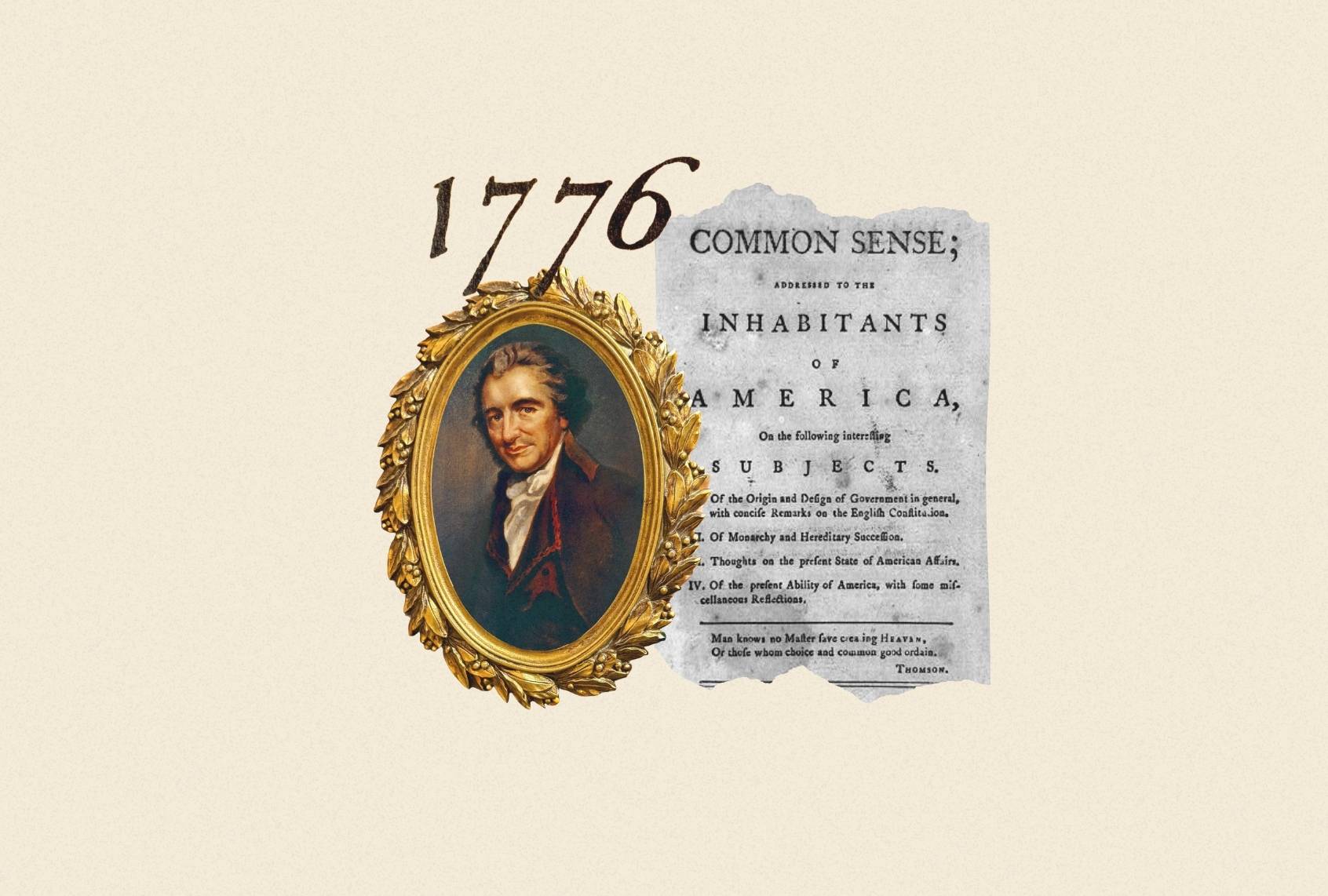
On January 10, 1776, Thomas Paine published “Common Sense,” a pamphlet that transformed the American colonies’ struggle for independence. In this pivotal work, Paine declared, “We have it in our power to begin the world over again,” inspiring a movement towards liberty and representative government. The pamphlet challenged the status quo, advocating for independence rather than mere rights under British rule.
Paine’s timing was crucial. Just a year prior, the notion of independence from Britain was hardly credible. Colonists had long fought for their rights as subjects of the British crown, seeking relief from grievances such as taxation imposed without representation. Following the Battles of Lexington and Concord in 1775, Congress still expressed loyalty to King George III, asserting that their military efforts were for the defense of their rights as British subjects. They even sent the Olive Branch Petition to the king, reaffirming their fidelity and requesting his intervention with Parliament.
In early January 1776, George III rejected the petition and declared the colonies in open rebellion. His response included deploying the largest military force ever sent overseas, which included German mercenaries. This declaration, combined with news of British naval bombardments of American ports, stirred fervent revolutionary sentiments among colonists.
Paine, motivated by leaders like Benjamin Rush and advised by Benjamin Franklin, completed “Common Sense” after months of labor. The pamphlet shifted American perceptions of governance, drawing on ideas from John Locke’s “Second Treatise of Government.” Paine argued that people are inherently free and equal, forming governments to protect their liberty and happiness. He criticized monarchy, stating that it undermined this natural order, leading to inevitable taxation without representation.
“Common Sense” resonated with its readers, stating, “The palaces of Kings are built on the ruins of the bowers of Paradise.” Paine contended that authoritarian leaders ultimately serve their own interests, rather than those of the populace. He called for governments rooted in popular will, suggesting that “monarchy and succession have laid… the world in blood and ashes.”
The pamphlet quickly became the bestselling publication of its time, with over 100,000 copies distributed by mid-April 1776, and an estimated 500,000 copies in circulation by 1778. In an era when the largest American newspapers had circulations of only around 2,000, this achievement was monumental. Paine’s words were shared in clubs, schools, and even delivered from pulpits, significantly shaping public discourse.
Paine’s powerful rhetoric articulated a growing movement that elevated colonial resistance to British tax policies into a broader fight for global liberty. He famously proclaimed, “The cause of America is in a great measure the cause of all mankind.” In just 80 pages, he effectively defined the purpose of government as promoting “liberty and security,” while ensuring the greatest happiness for individuals at minimal national expense.
His assertion that “the law ought to be King” resonated strongly, positioning the rule of law as a cornerstone of American governance. This belief in popular rule became a defining characteristic of the revolutionary spirit in 1776, and the ideas articulated in “Common Sense” remain relevant today.
Paine’s legacy is one of challenging authoritarianism and advocating for radical representative government and individual liberty. Rooted in Enlightenment ideals, his work flourished in the fertile ground of American society, which was ripe for change and expansion. As the United States approaches its 250th anniversary, revisiting “Common Sense” serves as a reminder of the foundational principles that continue to guide democratic values.
The enduring significance of “Common Sense” lies in its bold call for political equality and the inherent rights of individuals, making it a critical document in the history of democracy.

Urgent Swatting Incident Ties Up Emergency Resources in Alabama

Urgent Tax Alert: Claim Your Deductions Before April 15!

Scientists Investigate Cosmic Defects: Where Are They Now?

Spring Bocce Leagues Open Registration in Rapid City

CALV Offers Essential Communication Class for Real Estate Pros

Samsung Galaxy Watch 9 Set for Larger 435mAh Battery Upgrade

Healthy Choice Wellness Reports Earnings, Stock Sees Uptick

Prince Harry Claims to Be ‘Antidote to Andrew’ Amid Royal Crisis

Pet Owners Weigh Kibble Against Fresh Dog Food Options

ALMA Discovers Companion Orbiting Giant Star π 1 Gruis

U.S. Visa Rescheduling Hits H‐1B Applicants as New Vetting Rules Take Effect

University of Hawaiʻi Joins $25.6M AI Project for Disaster Monitoring

F-22 Raptor vs. Su-57 Felon: A 2025 Fighter Jet Comparison

Recent Divorce Judgments from Iberia Parish Court Records

Urgent: Flight Cancellations Loom at Texas Airports Amid Shutdown

Ohio State Study Uncovers Brain Connectivity and Function Links

Frank Dunn, Esteemed Builder and Community Leader, Passes Away at 89

Appian Recognizes 2025 Partner Award Winners for Enterprise Innovation
-
 Science9 months ago
ALMA Discovers Companion Orbiting Giant Star π 1 Gruis
-
 Politics8 months ago
U.S. Visa Rescheduling Hits H‐1B Applicants as New Vetting Rules Take Effect
-
Science10 months ago
University of Hawaiʻi Joins $25.6M AI Project for Disaster Monitoring
-
 World10 months ago
F-22 Raptor vs. Su-57 Felon: A 2025 Fighter Jet Comparison
-
 Politics9 months ago
Recent Divorce Judgments from Iberia Parish Court Records
-
 Top Stories10 months ago
Urgent: Flight Cancellations Loom at Texas Airports Amid Shutdown
-
 Science10 months ago
Ohio State Study Uncovers Brain Connectivity and Function Links
-
 Lifestyle10 months ago
Frank Dunn, Esteemed Builder and Community Leader, Passes Away at 89
-
 Business10 months ago
Appian Recognizes 2025 Partner Award Winners for Enterprise Innovation
-

 World10 months ago
Prince Andrew Faces Fallout from Scandals and Allegations
-

 Entertainment8 months ago
Malachi Barton Tops Google Searches as Disney’s Rising Star of 2025
-

 Top Stories9 months ago
Republican Matt Van Epps Wins Tennessee Special Election