
World
San Francisco Airport Welcomes 16 Nonstop Airlines to Europe in 2026

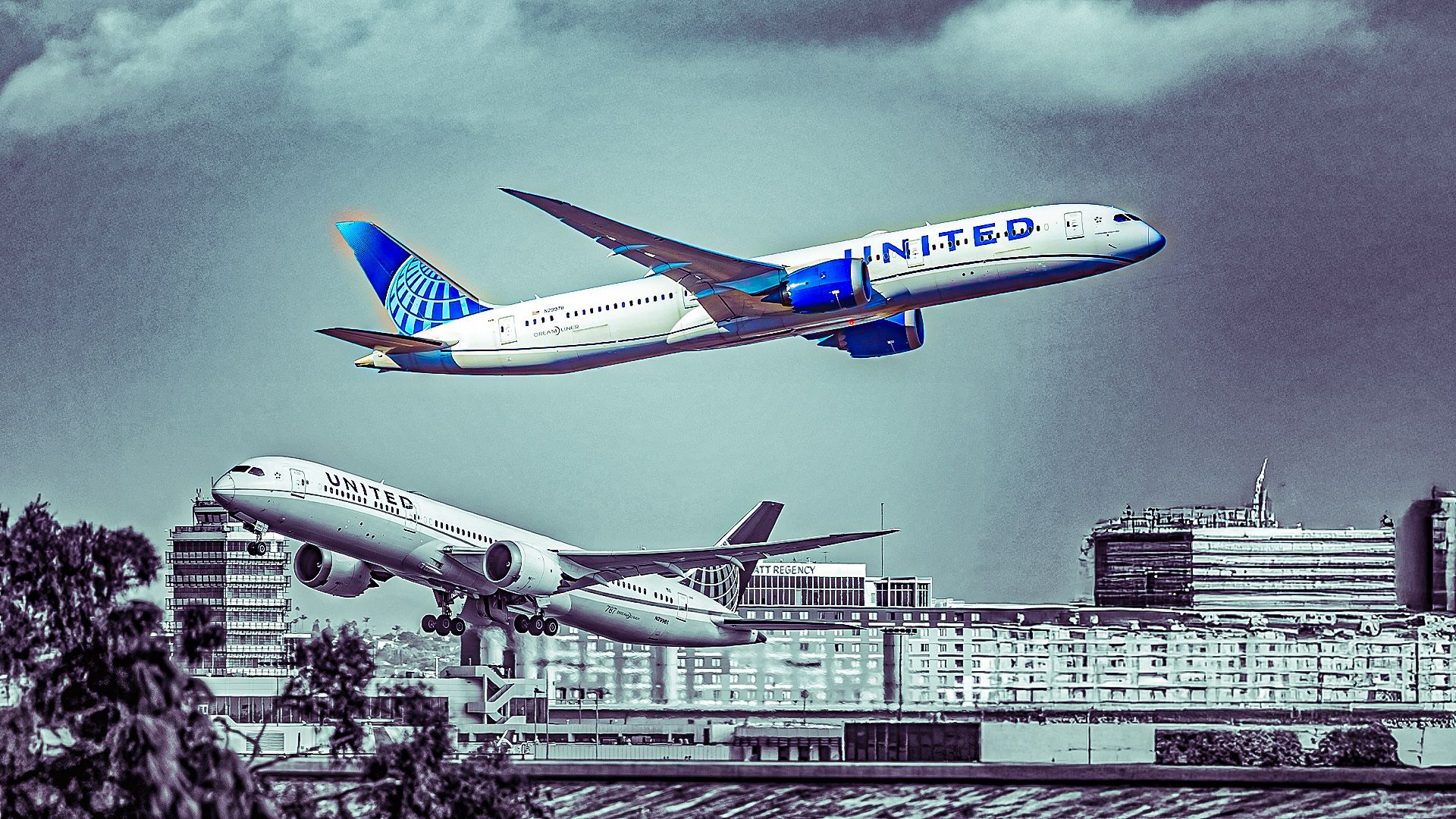
San Francisco International Airport (SFO) is set to become a significant hub for nonstop flights to Europe in 2026, with a total of 16 airlines offering direct routes. This development caters to the growing demand from both leisure and business travelers, reinforcing San Francisco’s status as a key gateway for transcontinental travel.
United Airlines Leads the Charge
According to data from Cirium, a leading aviation analytics firm, SFO will host a remarkable 8,682 scheduled departures to various European destinations this year. This service will provide over 2.65 million seats, reflecting the robust transatlantic travel market. United Airlines, the dominant carrier, plans to operate 3,106 flights, translating to an impressive 35.8% market share. Daily averages suggest approximately 8.5 departures from San Francisco.
United Airlines connects San Francisco to prominent European cities including Amsterdam (AMS), Barcelona (BCN), Rome (FCO), and Zürich (ZRH) on a seasonal basis. Year-round services include routes to Frankfurt (FRA), London Heathrow (LHR), Munich (MUC), and Paris Charles de Gaulle (CDG). The airline predominantly utilizes widebody twinjets from the Boeing 777 and 787 families for these transatlantic flights. United’s CEO, Scott Kirby, remarked on the airline’s growth in the region, highlighting investments in customer experience and an ambitious network strategy.
European Airlines Make Their Mark
In addition to United Airlines, several European carriers are ramping up their operations from San Francisco. Both British Airways and Lufthansa are expected to average over one departure daily, each with 722 flights scheduled for the year. Lufthansa edges out British Airways in seat capacity, offering 266,137 seats compared to British Airways’ 261,863 seats. British Airways operates flights to London Heathrow using the Boeing 777 and A380, while Lufthansa serves Frankfurt with the Boeing 747-400 and 747-8, and Munich with the Airbus A350-900 and A380.
Turkish Airlines plans for 564 departures to its main hub in Istanbul (IST), utilizing the Airbus A350-900. Flight frequencies are expected to vary monthly, reaching up to 53 departures in peak summer months.
Other significant players include Virgin Atlantic and Air France, with Virgin planning 552 flights and Air France 541 flights to their respective hubs. Virgin Atlantic’s services to London Heathrow feature the Airbus A350-1000 and Boeing 787-9, while Air France operates its routes to Paris CDG with a mix of A350-900 and Boeing 777 models.
The competitive landscape is further bolstered by additional carriers, including KLM, Aer Lingus, and SWISS, each contributing to the transatlantic connection with a range of scheduled flights. KLM leads with 356 departures to Amsterdam (AMS), followed closely by Aer Lingus with 351 flights to Dublin (DUB) and SWISS with 351 flights to Zürich.
ITA Airways and TAP Air Portugal are also key players with 231 and 227 flights respectively, serving Rome and Lisbon. Other notable airlines include French bee to Paris Orly, Iberia to Madrid and Barcelona, and Condor to Frankfurt. Notably, LOT Polish Airlines will commence operations with 98 flights to Warsaw (WAW) from May to October, marking its debut at SFO.
This expansion of nonstop flights from San Francisco to Europe signifies a growing trend in international travel, driven by increasing passenger demand and airline competition within the aviation sector. As travelers seek convenient connections to their destinations, SFO stands ready to facilitate these journeys, showcasing its strategic importance in global air travel.

Urgent Swatting Incident Ties Up Emergency Resources in Alabama

Urgent Tax Alert: Claim Your Deductions Before April 15!

Scientists Investigate Cosmic Defects: Where Are They Now?

Spring Bocce Leagues Open Registration in Rapid City

CALV Offers Essential Communication Class for Real Estate Pros

Samsung Galaxy Watch 9 Set for Larger 435mAh Battery Upgrade

Healthy Choice Wellness Reports Earnings, Stock Sees Uptick

Prince Harry Claims to Be ‘Antidote to Andrew’ Amid Royal Crisis

Pet Owners Weigh Kibble Against Fresh Dog Food Options

ALMA Discovers Companion Orbiting Giant Star π 1 Gruis

U.S. Visa Rescheduling Hits H‐1B Applicants as New Vetting Rules Take Effect

University of Hawaiʻi Joins $25.6M AI Project for Disaster Monitoring

F-22 Raptor vs. Su-57 Felon: A 2025 Fighter Jet Comparison

Ohio State Study Uncovers Brain Connectivity and Function Links

Recent Divorce Judgments from Iberia Parish Court Records

Prince Andrew Faces Fallout from Scandals and Allegations

Urgent: Flight Cancellations Loom at Texas Airports Amid Shutdown

Frank Dunn, Esteemed Builder and Community Leader, Passes Away at 89
-
 Science8 months ago
ALMA Discovers Companion Orbiting Giant Star π 1 Gruis
-
 Politics6 months ago
U.S. Visa Rescheduling Hits H‐1B Applicants as New Vetting Rules Take Effect
-
Science8 months ago
University of Hawaiʻi Joins $25.6M AI Project for Disaster Monitoring
-
 World8 months ago
F-22 Raptor vs. Su-57 Felon: A 2025 Fighter Jet Comparison
-
 Science8 months ago
Ohio State Study Uncovers Brain Connectivity and Function Links
-
 Politics8 months ago
Recent Divorce Judgments from Iberia Parish Court Records
-
 World8 months ago
Prince Andrew Faces Fallout from Scandals and Allegations
-
 Top Stories8 months ago
Urgent: Flight Cancellations Loom at Texas Airports Amid Shutdown
-
 Lifestyle8 months ago
Frank Dunn, Esteemed Builder and Community Leader, Passes Away at 89
-

 Business8 months ago
Appian Recognizes 2025 Partner Award Winners for Enterprise Innovation
-

 Entertainment6 months ago
Malachi Barton Tops Google Searches as Disney’s Rising Star of 2025
-

 Science9 months ago
Innovator Captures Light at 2 Billion Frames Per Second